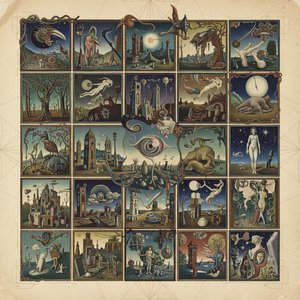
Reinhold Max Eicher: Bridging Barbizon Realism and Symbolist Vision
Reinhold Max Eicher (1890 – 1953) stands as a pivotal figure in German Expressionist landscape painting, yet his artistic journey began within the traditions of Barbizon realism. Born in Munich, Bavaria, Eicher’s formative years were steeped in the influence of Impressionism and Neo-Impressionism, particularly through encounters with artists like Edvard Munch and Claude Monet. These early experiences instilled a profound appreciation for capturing fleeting moments of natural beauty—a sensibility that would later permeate his distinctive style. However, unlike many contemporaries who clung to purely observational techniques, Eicher possessed an innate inclination towards conveying emotion and psychological depth within his canvases.
- Early Influences: Munch’s exploration of anxiety and symbolism profoundly impacted Eicher's artistic sensibilities. Similarly, Monet’s masterful depiction of light and atmosphere served as a cornerstone for developing Eicher’s compositional approach.
- Barbizon Roots: Initially trained at the Munich Academy of Fine Arts alongside artists like Wilhelm Leibl and Max Liebermann, Eicher honed his skills in realistic landscapes—primarily depicting Bavarian forests and alpine vistas—reflecting the prevailing aesthetic ideals of the Barbizon School.
- The Turning Point: Despite maintaining a grounding in realism, Eicher’s artistic vision gradually shifted toward Expressionism during the early 1920s. This transformation was spurred by encounters with artists like Ernst Ludwig Kirchner and Karl Schmidt-Rottluff—members of Die Brücke (The Bridge)—who championed a radical departure from academic conventions.
Expressionist Style: Color, Texture, and Emotional Resonance
Eicher’s Expressionist output is characterized by bold color palettes—often dominated by earthy hues juxtaposed with vibrant reds and yellows—designed to evoke visceral responses in the viewer. He employed thick impasto brushstrokes, layering pigment onto canvas to create palpable textural surfaces that mirrored the ruggedness of the landscapes he portrayed. These textures weren’t merely decorative; they served as conduits for conveying emotional intensity—reflecting inner turmoil and spiritual contemplation. Unlike Impressionists who sought to capture optical sensations, Eicher prioritized communicating psychological states through visual language.
- Impasto Technique: The deliberate application of thick paint—often mixed with sand or other aggregates—created dramatic relief and heightened the expressive power of his paintings.
- Color Symbolism: Eicher’s use of color was imbued with symbolic significance, reflecting themes of solitude, melancholy, and the confrontation between humanity and nature.
- Compositional Dynamism: His landscapes were frequently structured as asymmetrical compositions—emphasizing movement and instability—further amplifying their emotional impact.
Notable Works and Artistic Legacy
Eicher’s oeuvre encompasses a remarkable range of subjects, from serene alpine panoramas to dramatic depictions of forest interiors illuminated by shafts of sunlight. Among his most celebrated paintings are “Winter Landscape” (1928), “Forest Interior” (1930), and “The Mountain” (1934)—each demonstrating Eicher’s masterful command of technique and his unwavering commitment to conveying profound emotional truths. His work continues to resonate with audiences today, recognized for its evocative beauty and its exploration of existential themes—solidifying Eicher's place as a seminal figure in German Expressionist art history.
Influence and Recognition
Eicher’s artistic innovations profoundly impacted subsequent generations of landscape painters, inspiring artists to embrace expressive brushwork and emotionally charged color palettes. His unwavering dedication to capturing the spirit of nature—combined with his psychological insight—established him as a champion of Symbolist ideals within the Expressionist movement. Reinhold Max Eicher's legacy endures as an exemplar of artistic integrity and a testament to the transformative power of confronting inner demons through the medium of visual art.