Mykola Burachek: A Ukrainian Impressionist Bridging Art and Theatre
Born in 1871 in the small village of Letychiv, Podilla, Ukraine – a region steeped in artistic tradition – Mykola Hryhorovych Burachek’s life was one of constant movement and evolution. Initially trained at the M. Murashko Drawing School in Kyiv and later at the Kharkiv Art Institute, his early studies laid the foundation for a career that would encompass landscape painting, theatre design, and art historical scholarship. However, it was his time spent abroad, particularly in Paris between 1910 and 1912, under the tutelage of renowned Impressionists Deni and Matisse, that truly shaped his artistic vision, imbuing his work with a vibrant luminosity and a keen observation of light and color.
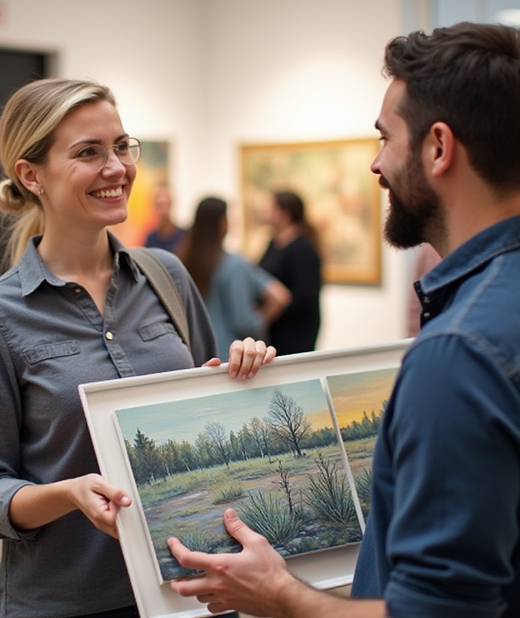
Burachek’s artistic journey wasn't confined to a single style. He initially explored academic traditions before embracing the tenets of Impressionism, characterized by loose brushstrokes, an emphasis on capturing fleeting moments, and a focus on subjective perception. This is particularly evident in his landscapes – scenes of the Ukrainian countryside rendered with a remarkable sensitivity to atmosphere and detail. Yet, he wasn’t simply a landscape painter; he possessed a deep understanding of theatrical design, a skill honed during his studies with Y. Stanislavskyi at the Kraków Academy of Fine Arts. This dual expertise is reflected in his work, often blending elements of realism with an expressive quality reminiscent of stagecraft.
Early Career and Academic Influence
Returning to Kyiv in 1912, Burachek became a pivotal figure in Ukrainian art education. He was one of the founding members of the Ukrainian Art Academy in 1917, assuming the roles of rector from 1918 to 1920. This period marked a significant contribution to the development of Ukrainian artistic identity and training. His influence extended beyond simply teaching; he actively promoted the principles of Impressionism and modern art within the academy’s curriculum.
His academic pursuits weren't limited to his role at the Academy. Burachek was also a respected art historian, contributing to the understanding and preservation of Ukrainian artistic heritage. He meticulously documented and analyzed works from various periods, ensuring their recognition and appreciation. His commitment to both artistic creation and scholarly research solidified his position as a leading figure in the Ukrainian cultural landscape.
A Palette of Light: Style and Technique
Burachek’s paintings are immediately recognizable by their vibrant color palettes and dynamic brushwork. He skillfully employed broken color techniques, layering hues to create an illusion of depth and luminosity – a hallmark of Impressionism. His landscapes frequently feature the rolling hills and golden fields of Podilla, bathed in the warm light of dawn or dusk. The use of complementary colors—particularly blues and oranges—creates a sense of visual excitement and movement.
Beyond landscape, Burachek’s still lifes reveal an equally refined technique. He captured the delicate textures of fruit, flowers, and fabrics with remarkable precision, using light to define form and create a sense of three-dimensionality. His attention to detail is balanced by a loose, expressive brushstroke that prevents his works from becoming overly rigid or formal.
Legacy and Historical Context
Mykola Burachek’s career spanned several decades, witnessing significant shifts in the Ukrainian art world. He navigated the turbulent years of the 20th century, including periods of political upheaval and social change. Despite these challenges, he remained dedicated to his craft, producing a substantial body of work that continues to be celebrated today. His contributions extend beyond individual paintings; he played a crucial role in shaping the future of Ukrainian art education and fostering a sense of national artistic identity.
Burachek died in Kharkiv in 1942, leaving behind a legacy as one of Ukraine’s most important Impressionist painters. His work is now housed in museums across Ukraine, including the Chernihiv Regional Art Museum, where his landscapes and still lifes offer a captivating glimpse into the beauty of the Ukrainian countryside and the artistic vision of a truly remarkable artist.