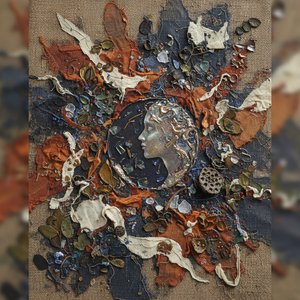
Gianfranco Ferré: Modens arkitekt
Gianfranco Ferré, et navn synonymt med italiensk elegance og arkitektonisk præcision, satte et uudsletteligt aftryk på modeverdenen i løbet af sin tragisk korte, men intenst indflydelsesrige karriere. Født i Legnano, Italien, i 1944, er Ferrés rejse fra aspirerende arkitekt til berømt designer et vidnesbyrd om et rastløst intellekt og en dyb forståelse for form og rum – kvaliteter, han sømløst oversatte til bjergtagende beklædningsgenstande. Hans eftermæle rækker langt ud over blot tøj; det repræsenterer et skift i, hvordan mode blev tænkt, set og oplevet, idet det bygger bro mellem kunst, design og selve hverdagens tekstur.
Ferrés tidlige liv var præget af et strengt akademisk miljø. Han studerede oprindeligt arkitektur ved Politecnico di Milano, hvor han udviklede en metodisk tilgang til struktur og komposition, som senere skulle forme hans designs. Denne arkitektoniske baggrund viste sig at være afgørende, da den indgydede hans kreationer en følelse af geometrisk klarhed, strukturel integritet og en næsten skulpturel kvalitet. I modsætning til mange af sine samtidige, der omfavnede flygtige trends, søgte Ferré varighed og tidløshed i sit arbejde – et ønske, der afspejles i den vedvarende appel af hans kollektioner årtier efter deres skabelse.
Tidlig karriere & fremgangen for Gianfranco Ferré S.p.A.
Ferrés indtog i moden begyndte ikke med haute couture, men med accessories – bælter og brocher – i begyndelsen af 1970'erne. Disse tilsyneladende beskedne kreationer vakte hurtigt opsigt hos indflydelsesrige skikkelser i branchen, herunder Walter Albini, en pioner inden for italiensk prêt-à-porter. Denne indledende succes banede vejen for etableringen af Gianfranco Ferré S.p.A. i 1978, hvilket markerede den officielle lancering af hans eget navn. De tidlige år var kendetegnet ved en bevidst og gennemtænkt tilgang – Ferré var ikke interesseret i at jage trends; han opbyggede en distinkt æstetik forankret i præcision, mådehold og en underliggende følelse af luksus.
Afgørende var det, at Ferré opretholdt sit eget designstudie, mens han fungerede som kreativ direktør for Christian Dior fra 1989 til 1996. Denne dobbelte rolle gjorde det muligt for ham både at dyrke sin egen signeringstil og tilføre en ny dynamik til et af verdens mest prestigefyldte modehuse. Hans tid hos Dior var præget af et fornyet fokus på kvalitet, håndværk og en subtil, men kraftfuld elegance – kvaliteter, der resonerede dybt hos det kræsne klientel.
Bemærkelsesværdige designs & geometriens indflydelse
Ferrés designs er øjeblikkeligt genkendelige på deres geometriske præcision, rene linjer og mesterlige brug af tekstiler. Hans kollektioner udviste konsekvent en sofistikeret tilbageholdenhed og foretrak underspillet luksus frem for prangende fremvisning. Nøgleeksempler illustrerer hans unikke vision: "Blu 4" Spring/Summer 1977-kollektionen, en tidlig demonstration af hans arkitektoniske indflydelse i moden, præsenterede skarpt skræddersyede silhuetter og dristige farvekombinationer; "Runway Photograph of Gianfranco Ferré, Spring/mSummer 1984 Collection", et vidnesbyrd om hans evne til sømløst at forene mode med kunst; og den ikoniske "Lady Dior"-håndtaske fra 1994, et design der blev synonymt med elegance og sofistikering.
Hans tilgang handlede ikke blot om at skabe smukt tøj; det handlede om at forme bærbar skulptur – beklædningsgenstande, der besad både strukturel integritet og en iboende følelse af bevægelse. Han benyttede ofte innovative teknikker, såsom brug af læg og drapering til at skabe dynamiske former, hvilket yderligere understregede hans arkitektoniske sans.
Eftermæle & varig indvirkning
Gianfranco Ferrés indflydelse på moden er dyb og vedvarende. Han beviste, at design kunne være både intellektuelt stimulerende og æstetisk smukt – en sjælden kombination i den ofte overfladiske verden af high fashion. Hans dedikation til kvalitet, håndværk og tidløshed har inspireret generationer af designere, mens hans arkitektoniske tilgang fortsat præger nutidige trends.
På trods af hans tidlige død i Milano i 2007 forbliver Ferrés eftermæle levende. Gianfranco Ferré Research Center ved Politecnico di Milano fungerer som et vidnesbyrd om hans vedvarende indflydelse og som et depot for hans omfattende arkiv af skitser og designs. Hans arbejde fortsætter med at blive fejret og studeret, hvilket cementerer hans position som en af de vigtigste og mest innovative skikkelser i den italienske modes historie – sandelig, stilen arkitekt.
Spørgsmål og svar
Hvor og hvornår er Gianfranco Jekyll Ferré født?
Gianfranco Jekyll Ferré blev født i Legnano i 1944.
I hvilken historisk periode arbejdede Gianfranco Jekyll Ferré?
Gianfranco Jekyll Ferré var aktiv i Moderne tid-perioden. Denne periode placerer kunstnerens virke i en historisk kontekst.
Findes der en virtuel 3D-tour af Gianfranco Jekyll Ferrés værker?
Gianfranco Jekyll Ferrés værker kan opleves i et 3D-galleri på kunstnerens 3D-galleri-side.