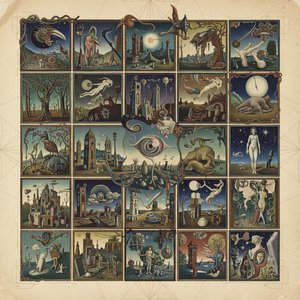
Neil Williams: A Visionary of Shaped Canvas and Existential Landscape
Neil Williams (1934 – March 28, 1988) stands as a singular figure in British abstract art—a painter whose distinctive approach to canvas construction and thematic exploration cemented his place within the broader context of Neo-Romanticism and profoundly impacted subsequent generations of artists. Born in Bluff City, Utah, Williams’s journey toward artistic expression began amidst the formative years of post-war Britain, where he honed his craft at the San Francisco Art Institute before relocating to New York City in 1959—a pivotal moment that exposed him to the burgeoning avant-garde movements shaping the art world.
- Early Influences & Technique: Williams’s artistic vision was deeply rooted in Surrealism and Expressionism, particularly the works of Giorgio Morandi and Wilhelm Künstler. However, he swiftly distanced himself from these stylistic conventions, prioritizing a radically innovative technique—the creation of “shaped canvases.” This method involved constructing sheets of glass to which dried skins of paint were applied, resulting in textured surfaces that defied conventional painting practices. The deliberate fragmentation and layering of pigment created an arresting visual dialogue with the underlying material, mirroring Williams’s preoccupation with exploring themes of isolation, decay, and the confrontation between human consciousness and the indifferent cosmos—a core element of his artistic philosophy.
- The Shaped Canvas Phenomenon: Williams's pioneering use of shaped canvases coincided precisely with the rise of Minimalism in American art, yet he resisted categorization within this movement. Instead, he championed a “lyrical abstraction” characterized by emotive resonance and psychological depth—a deliberate counterpoint to the geometric austerity favored by contemporaries like Donald Judd. Lawrence Alloway’s influential exhibitions "The Shaped Canvas" (1964) and "Systemic Paintings" (1966), at the Guggenheim Museum in New York City, brought Williams's groundbreaking method to international attention, establishing him as a leader of his generation.
- Notable Works & Exhibitions: Williams’s oeuvre encompasses numerous canvases that exemplify his signature style—often depicting desolate landscapes imbued with symbolic significance. Recurring motifs included barren plains, crumbling buildings, and solitary figures grappling with existential dilemmas. His paintings captured the mood of the late 1960s and early 1970s, reflecting anxieties about societal fragmentation and the looming threat of nuclear annihilation. Major exhibitions showcased his work across Europe and North America, solidifying his reputation as a visionary artist who dared to confront profound questions about human existence.
- Legacy & Influence: Neil Williams’s artistic legacy extends beyond his individual creations—he profoundly impacted subsequent artists who embraced the shaped canvas technique and explored similar thematic concerns. His unwavering commitment to psychological realism combined with formal experimentation served as an inspiration for artists grappling with the complexities of the human condition in a rapidly changing world. Though tragically cut short by pneumonia at the age of 53, Williams’s contribution to British art remains indelible—a testament to his singular vision and enduring influence on the artistic landscape of his time.
- Further Exploration: For deeper insights into Neil Williams's life and work, consult resources such as AskART () and Wikipedia (), where biographical information and critical assessments illuminate his artistic trajectory and historical significance.