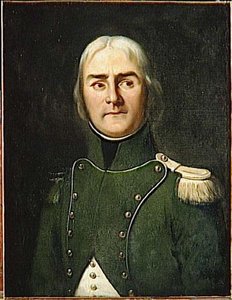
Ferdinand Wachsmuth: A Swiss Master of Historical Portraiture
Ferdinand Wachsmuth, a name perhaps less familiar than some of his contemporaries, nevertheless represents a significant figure in 19th-century European art. Born in Mulhouse, Switzerland, in 1802, and tragically passing away in Versailles in 1869, Wachsmuth dedicated his life to capturing the grandeur and drama of historical scenes, particularly through meticulously rendered portraits – often of royalty and figures from literary works. His career, though punctuated by periods of relative obscurity, reveals a consistent dedication to realism, dramatic composition, and an impressive command of color and light, establishing him as a notable artist within the context of his time.
Early Life and Artistic Training
Wachsmuth’s artistic journey began with formal training at the École des Beaux-Arts in Paris, under the tutelage of Jean-Antoine Gros, a prominent painter known for his historical paintings. This early exposure to Gros's style undoubtedly influenced Wachsmuth’s approach – a focus on narrative clarity and dramatic presentation within a realistic framework. He quickly demonstrated an aptitude for capturing likeness and conveying character, skills that would become hallmarks of his later work. While he exhibited at the Salon in Paris throughout much of his career, achieving recognition as a painter of historical scenes and portraits, he also held a prestigious position as the director of the École des Beaux-Arts of Versailles, a role that afforded him considerable influence within the French art establishment.
A Palette of Historical Scenes
Wachsmuth’s artistic output is characterized by a fascination with historical narratives and literary subjects. He frequently depicted scenes from well-known works of literature, such as Walter Scott's *Quentin Durward*, transforming these stories into visually arresting paintings. Beyond literary adaptations, he excelled at portraying historical figures – monarchs, generals, and statesmen – often imbued with an air of solemnity and authority. His depictions of royalty are particularly noteworthy; Wachsmuth possessed a keen eye for detail, meticulously rendering the textures of fabrics, the expressions on faces, and the opulent settings that surrounded his subjects. His work frequently showcases a dramatic use of light and shadow, enhancing the sense of depth and creating a powerful emotional impact.
Influences and Style
Wachsmuth’s style can be described as a refined form of realism, informed by both classical artistic traditions and the prevailing trends of 19th-century French painting. The influence of Gros is evident in his compositional choices – often employing dynamic diagonals and carefully orchestrated groupings to draw the viewer's eye to key elements within the scene. He also demonstrated an understanding of color theory, utilizing a rich palette to create vibrant and engaging images. Notably, his travels to North Africa in 1832 left a lasting impression on his work, introducing exotic landscapes and subjects that would continue to inspire him throughout his career. His meticulous attention to detail and ability to capture the essence of his subjects cemented his reputation as a master portraitist.
Legacy and Historical Significance
Despite not achieving widespread fame during his lifetime, Ferdinand Wachsmuth’s work holds considerable historical significance. His paintings offer valuable insights into 19th-century French society, reflecting the tastes and values of the era. His depictions of royalty and historical figures provide a visual record of important events and personalities, while his meticulous realism showcases the artistic skill of a talented artist. Today, his works are primarily found in private collections and museum holdings, particularly within France, where they serve as reminders of a lesser-known but nonetheless accomplished Swiss painter who contributed significantly to the rich tapestry of 19th-century European art.