A Celebration of Scottish Landscape and Legacy: Exploring The Forestry Commission’s Artistic Treasures
The Forestry Commission stands as more than just a repository of forestry knowledge; it's a testament to Scotland’s artistic heritage and its enduring connection with the natural world. Established in 1919 following the devastation of World War I, this institution recognized the vital importance of preserving Britain’s woodlands – not merely for timber resources but also as sources of inspiration and cultural identity. Located in Edinburgh, it embodies a harmonious blend of scientific rigor and artistic sensitivity, inviting visitors to contemplate the profound beauty and significance of Scotland's forests through its remarkable collection and architectural grandeur.
A Historical Perspective: From Timber Reserves to Sustainable Stewardship
From its inception as a strategic timber reserve for Britain—a response to the crippling shortages experienced during the Great War—the Commission’s trajectory has charted a course toward broader conservation goals and active engagement with the public. Early endeavors prioritized land settlement schemes designed to revitalize rural communities alongside ambitious reforestation projects – a commitment that continues to shape the organization's mission today. These initiatives underscored the understanding that safeguarding Scotland’s woodlands demanded collaborative effort, blending practical forestry expertise with social responsibility.
The Caledonian Forest: A Focal Point for Artistic Inspiration
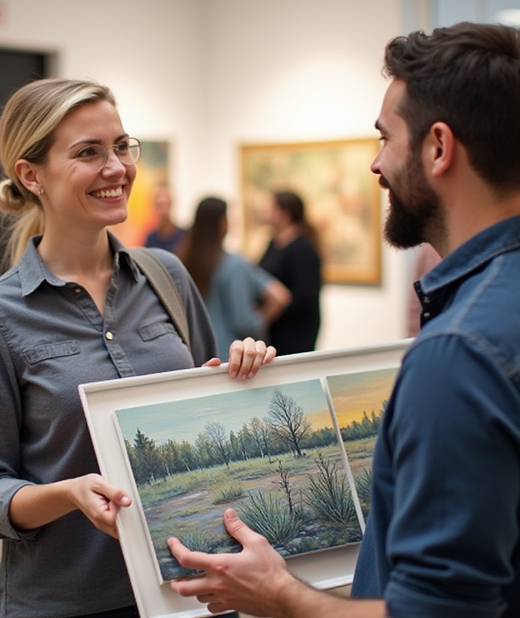
At its core lies an unwavering dedication to restoring the Caledonian Forest—one of Europe’s last remaining wildernesses. This ancient woodland ecosystem serves as a focal point for ongoing research and conservation efforts, informing artistic representations that strive to capture its majesty and complexity. Artists have drawn inspiration from its towering pines, moss-covered boulders, and serene lochs, resulting in paintings and sketches that convey both scientific observation and emotional resonance—a testament to the forest’s enduring allure as a subject of creative expression.
Notable Artwork Highlights: Reflections of Edinburgh's Artistic Spirit
The museum’s collection is remarkably diverse, reflecting centuries of artistic endeavor inspired by Scottish landscapes. Paintings and sketches depict serene vistas of lochs and mountains alongside detailed depictions of forestry operations – showcasing the breadth of artistic interpretation throughout time. Notably, Adolphus Krell’s “A Merchantman Preparing To Leave Her Anchorage Amidst Other Shipping Off Leith, With A Panorama Of Edinburgh Beyond” exemplifies Romanticism’s fascination with maritime scenes and Edinburgh’s skyline. Elizabeth Violet Blackadder’s portrait of Lord Provost Eric Milligan showcases meticulous realism and geometric precision – a masterful depiction of civic leadership. These artworks exemplify the Commission's commitment to documenting Scotland’s visual culture alongside its scientific pursuits.
Architectural Significance: A Neo-Georgian Landmark
The building itself contributes to the museum's unique character, designed in a neo-Georgian style reflecting Edinburgh’s grandeur during the early 20th century. Its spacious halls provide an ideal setting for showcasing artwork and fostering dialogue about conservation and artistic appreciation. Constructed with meticulous attention to detail—from its ornate façade to its soaring ceilings—the building embodies the values of Victorian elegance and scholarly pursuit, mirroring the Commission's own ethos of blending tradition with innovation.
Ongoing Engagement: Bridging Science and Art Through Collaborative Projects
Beyond its collection and architecture, The Forestry Commission distinguishes itself through its commitment to bridging the gap between science and art. Exhibitions regularly explore connections between ecological understanding and creative expression—prompting visitors to contemplate the profound beauty and importance of Scotland’s forests. Collaborations with artists and designers foster innovative projects that celebrate Scottish landscapes and promote sustainable practices – ensuring that The Forestry Commission's legacy extends beyond its historical archives into the realm of contemporary artistic dialogue. Its website (
https://en.wikipedia.org/wiki/Forestry_Commission
) serves as a valuable resource for exploring its history, ongoing initiatives, and captivating artwork collection.