
Sommaire
L'essentiel
- Top 3 works: Doll
- Also known as: Gebruder Heubach
- Nationality: Allemagne
- Top-ranked work: Doll
- Works on APS: 1
- Lifespan: 74 years
- Afficher plus…
- Born: 1858, Köppelsdorf, Allemagne
- Museums on APS:
- Le Musée National Fort de l'Amusement
- Le Musée National Fort de l'Amusement
- Le Musée National Fort de l'Amusement
- Le Musée National Fort de l'Amusement
- Le Musée National Fort de l'Amusement
- Art period: XIXe siècle
- Copyright status: Public domain
- Died: 1932
Quiz d'art
Chaque question ne comporte qu'une seule bonne réponse.
Question 1:
Quelle est la ville où Ernst Heubach a fondé son atelier ?
Question 2:
Quel matériau était utilisé principalement pour fabriquer les premières figurines de Gebrüder Heubach ?
Question 3:
En quelle année Ernst Heubach a-t-il commencé à utiliser la technique de cuisson en bisque pour créer des figurines réalistes ?
Question 4:
Avec quel autre fabricant allemand Gebrüder Heubach a-t-il collaboré étroitement dans la production de poupées ?
Question 5:
Quel symbole était souvent estampillé sur les figurines Gebrüder Heubach pour indiquer leur qualité exceptionnelle ?
Articles connexes
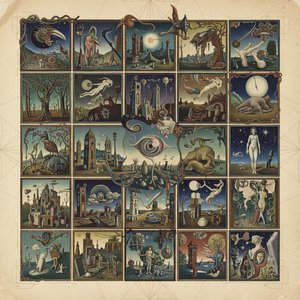
Max Ernst : Les 25 Œuvres Maîtresses d'un Surréalisme Révolutionnaire | WikiOO
Plongez dans l'univers surréaliste de Max Ernst ! Découvrez les 25 œuvres les plus emblématiques du maître allemand, entre frottage, collage et rêves éveillés. Inspirez votre décoration intérieure avec WikiOO : reproductions de tableaux de qualité muséale et collection d'art unique. Explorez la co


Expressionnisme Allemand : 10 Chefs-d'œuvre Révolutionnaires à Découvrir | WikiOO
Plongez au cœur de l'Expressionnisme Allemand avec WikiOO. Découvrez 10 chefs-d'œuvre de Kandinsky, Munch et Kirchner. Explorez l'histoire, les couleurs et l'émotion derrière ces tableaux iconiques. Reproductions de qualité muséale disponibles sur WikiOO.org

The Vibrant World of Ernst Ludwig Kirchner: A Definitive Guide to German Expressionism
Explore the raw emotion of German Expressionism through a definitive guide to Ernst Ludwig Kirchner. Discover how his bold colors and distorted forms redefined modern art history, from Berlin street scenes to iconic masterpieces.




