

 पूर्वावलोकन देखें
 भेजें
भेजें साझा करें
 विवरण देखें
 मार्गदर्शिका

 डाउनलोड करें
 समान वस्तुएं
 एक्स-रे
 स्लाइड शो देखें
 आंकड़े
My Friend Pierrot


 और पढ़ें
हस्तनिर्मित ऑयल रिप्रोडक्शन
आपके आकार और फ्रेम के अनुसार कैनवास पर हाथ से बनी ऑयल पेंटिंग, हमारे कलाकारों द्वारा विशेष रूप से ऑर्डर पर तैयार। ( प्रिंट विकल्प पर जाएँ डिजिटल इमेज पर जाएँ)




P118B $10

P118H $10

P118W $10

P438Z $10

P508JH $12

P508YH $12

P805H $10

P805Z $10

P919BZ $10

P919G $10

P919XJ $10

P959ZH $10

P968JZ $12

W106C $8

W218G $10

W218JH $8

W218Y $10

W307PJ $10

W316G $10

W316PJ $8

W316Y $10

W398PJ $8

W4111J $10

W500HY $15

W500JH $15

W692G $12

W849H $8

W940BG $15

W953PJ $8




कलाकृति के मूल अनुपात से मेल खाने वाले हमारे पूर्व निर्धारित आकारों में से चुनें।

आप किसी विशिष्ट फ्रेम या स्थान के अनुसार अपने स्वयं के आयाम (dimensions) दर्ज कर सकते हैं। यदि आपके द्वारा चुना गया आकार मूल छवि के अनुपात से मेल नहीं खाता है, तो हम कलाकृति को क्रॉप करेंगे या पेंटिंग में अतिरिक्त हाथ से चित्रित तत्व जोड़कर उसका विस्तार करेंगे। उत्पादन शुरू होने से पहले आपकी स्वीकृति के लिए एक डिजिटल मॉकअप भेजा जाएगा।
कृपया ध्यान दें कि स्क्रीन पर दिखने वाला पूर्वावलोकन वास्तविक क्रॉपिंग या विस्तार को नहीं दर्शाता है। केवल मॉकअप ही अंतिम रचना को सटीक रूप से दिखाएगा।
यद्यपि कस्टम आकार उपलब्ध हैं, फिर भी हम मूल अनुपात बनाए रखने के लिए पूर्व-निर्धारित सूची से आयाम चुनने की सलाह देते हैं।
ऑर्डर देने के बाद, WikiOO.org टीम निर्देशों के लिए क्लाइंट को ईमेल करेगी और एक मॉकअप प्रीव्यू प्रदान करेगी
विश्वव्यापी वितरण () मानक 5 सप्ताह के बजाय मात्र 3/4 सप्ताह में। (25 सितमबर)। गुणवत्ता से कोई समझौता नहीं।

दुनिया भर में मुफ़्त एक्सप्रेस शिपिंग

प्रीमियम ग्रेड लिनेन कैनवास

पूर्ण शिपिंग बीमा

सीमा शुल्क और आयात कर वापसी की गारंटी

सटीक रंग मिलान की गारंटी

100 दिनों की वापसी नीति (केवल निर्माण दोष होने पर)

100% पैसे वापसी की गारंटी

थोक छूट का अवसर
 ग्लास का विकल्प केवल 110 सेमी से कम आकार में ही उपलब्ध है।

My Friend Pierrot
प्रतिकृति की सामग्री
प्रतिकृति का आकार
-


कुल मूल्य
$ 265
A Dreamscape Unveiled: The Surreal Vision of Max Ernst
To gaze upon Max Ernst’s "My Friend Pierrot" is to step through a threshold where the boundaries of reality dissolve into the fluid logic of a dream. Painted between 1924 and 1925, this masterpiece serves as a profound visual distillation of the Surrealist movement's core ambitions—to bypass the rational mind and tap directly into the primal, uninhibited currents of the subconscious. The painting presents us with an unsettling yet mesmerizing encounter: a figure possessing human anatomy but crowned with the head of a bird, seated motionless upon the earth. This striking metamorphosis, a hallmark of Ernst’s fascination with the blurring lines between species and states of being, immediately pulls the viewer into a psychological labyrinth where the familiar becomes strange and the impossible feels tangibly present.
The composition is a masterclass in deliberate, enigmatic arrangement. Amidst the deep, grounding blue of the background, the figure sits in a state of quiet contemplation, flanked by birds that seem to inhabit the same liminal space between life and myth. One bird perches delicately in the upper left, while another occupies the center-right, creating an unsettling harmony that guides the eye across a landscape of profound stillness. The vibrant reds of the man’s attire provide a sharp, luminous contrast against the cool nocturnal tones, injecting a sense of vital, almost feverish energy into an otherwise silent scene. For the collector or designer, this piece offers more than mere decoration; it provides a focal point of intellectual depth and visual intrigue that commands attention in any curated space.
Technique and the Alchemy of the Unconscious
Ernst’s technical prowess in "My Friend Pierrot" lies in his ability to marry meticulous precision with the spontaneous impulses of automatism. He was a pioneer of experimental textures, often employing a collage-like method that integrated painted surfaces with carefully manipulated fragments to achieve an unsettlingly rich tactile quality. This technique allows the viewer to sense the layers of meaning embedded within the canvas, as if the image itself were being reconstructed from the debris of a dream. The interplay of light and shadow, combined with his use of textured elements, creates a surreal luminescence that makes the scene appear to glow from within.
This mastery of technique was deeply rooted in the historical crucible of post-World War I Europe. Influenced by the psychoanalytic theories of Sigmund Freud, Ernst and his contemporaries sought to liberate art from the constraints of Western rationalism, which they felt had failed humanity. By utilizing spontaneous drawing and unexpected juxtapositions, Ernst engineered a way to manifest the "marvelous"—that sudden, shocking beauty found in the irrational. For those seeking to bring a sense of avant-garde sophistication to an interior, this artwork embodies the revolutionary spirit of an era that dared to find truth in the shadows of the mind.
Symbolism and Emotional Resonance
Beyond its striking visual elements, "My Friend Pierrot" is heavy with symbolic weight. The character of Pierrot—tradoted as the "sad clown" of pantomime—carries connotations of vulnerability, longing, and the tragicomic nature of the human condition. By merging this iconic figure with avian features, Ernst invites us to contemplate themes of metamorphosis, the loss of identity, and the primal connection between humanity and the natural world. The presence of the moon and the nocturnal atmosphere further enhances the sense of solitude and introspection, making the painting an evocative piece for those who appreciate art that explores the deeper, often melancholic, layers of existence.
Ultimately, the emotional impact of this work is one of profound curiosity. It does not provide easy answers; instead, it poses questions about what lies beneath our conscious veneer. Whether displayed in a modern gallery setting or as a centerpiece in a thoughtfully designed living space, a high-quality reproduction of this Ernst masterpiece serves as a portal. It invites guests and observers alike to pause, to reflect, and to embark on their own psychological expeditions through the beautiful, unsettling landscapes of the human soul.
समान कलाकृतियाँ


कलाकार का परिचय
मैक्स अर्न्स्ट: स्वप्निल कल्पनाओं का पथप्रदर्शक
मैक्स अर्न्स्ट, जिनका जन्म 2 अप्रैल, 1891 को ब्रुहल, जर्मनी में हुआ था, बीसवीं सदी के सबसे महत्वपूर्ण और प्रभावशाली कलाकारों में से एक थे। उनका जीवन कलात्मक खोजों, दार्शनिक चिंतन और सामाजिक मानदंडों के प्रति गहरी अस्वीकृति का मिश्रण था। उनके पिता, जो बधिरों के शिक्षक और शौकिया चित्रकार थे, ने उनमें दुनिया के प्रति संवेदनशीलता और स्थापित सत्ता के खिलाफ विद्रोह की भावना पैदा की। यह द्वैत उनकी कलात्मक दृष्टि को परिभाषित करता रहा। उन्होंने बोन विश्वविद्यालय में दर्शनशास्त्र, कला इतिहास, साहित्य, मनोविज्ञान और मनोचिकित्सा का अध्ययन किया, जिसने उनके बाद के कार्यों को गहराई से प्रभावित किया। वे केवल यह जानने में रुचि नहीं रखते थे कि कैसे पेंट करना है; वे यह समझने की कोशिश कर रहे थे कि क्यों पेंट करना है।
प्रथम विश्व युद्ध ने अर्न्स्ट के जीवन में एक महत्वपूर्ण मोड़ लाया। पूर्वी और पश्चिमी मोर्चों पर सैनिक के रूप में उनके अनुभवों ने उन्हें स्थापित व्यवस्था के प्रति गहरी अविश्वास पैदा किया और अभिव्यक्ति के नए तरीकों की तलाश करने के लिए प्रेरित किया। यह निराशा 1918 में जर्मनी में उभरे दादा आंदोलन में पनपी, जिसके वे एक प्रमुख सदस्य बन गए। दादावाद ने पारंपरिक कलात्मक सम्मेलनों को खारिज कर दिया और मूर्खता, संयोग और तर्कहीनता को अपनाया। अर्न्स्ट ने हंस आरप के साथ मिलकर काम किया, जो उनके जीवन भर के दोस्त और सहयोगी बने रहे। बाद में उन्होंने पेरिस जाकर सर्रियलिज़्म (Surrealism) आंदोलन से जुड़ गए, जहाँ उन्होंने सपनों की दुनिया, अवचेतन मन और अतार्किकता का पता लगाना शुरू कर दिया। सिग्मंड फ्रायड के मनोविश्लेषणात्मक सिद्धांतों से प्रभावित होकर, अर्न्स्ट ने अपनी कला के माध्यम से मानव अनुभव की छिपी गहराइयों को उजागर करने की कोशिश की।
तकनीकी नवाचार: फ्रोटेज, ग्राटेज और कोलाज
अर्न्स्ट की कलात्मक नवीनता विषय वस्तु से परे थी; वे तकनीक के साथ लगातार प्रयोग करते रहे। उन्होंने मौजूदा तरीकों को अपनाने के बजाय नई तकनीकों का आविष्कार किया। उनकी सबसे प्रसिद्ध योगदानों में से एक फ्रोटेज है - एक ऐसी प्रक्रिया जिसमें विभिन्न बनावट वाली सतहों पर पेंसिल या चारकोल रगड़ा जाता है ताकि अप्रत्याशित और मार्मिक छवियां बनाई जा सकें। यह तकनीक, जो लकड़ी की दादरा को देखते हुए ऊबने के क्षण से उत्पन्न हुई थी, ने उन्हें अवचेतन मन में टैप करने और उन रूपों को उत्पन्न करने की अनुमति दी जो सचेत नियंत्रण को चुनौती देते हैं। निकटता से संबंधित ग्राटेज था, जिसमें कैनवास पर पेंट को खुरचकर नीचे की परतों को उजागर किया जाता है।
उन्होंने कुशलतापूर्वक कोलाज का भी उपयोग किया, पत्रिकाओं, वैज्ञानिक चित्रों और तस्वीरों से अलग-अलग तत्वों को जोड़कर अवास्तविक रचनाएँ बनाईं जो प्रतिनिधित्व की पारंपरिक धारणाओं को चुनौती देती हैं। ये तकनीकें केवल शैलीगत विकल्प नहीं थीं; वे अवचेतन मन की खोज और कलात्मक सीमाओं को बाधित करने की उनकी इच्छा के अभिन्न अंग थे। उनकी पेंटिंग में अक्सर आवर्ती प्रतीकात्मक कल्पना होती है: पक्षी (विशेष रूप से उनके व्यक्तित्व लोप्लोप), बंजर परिदृश्य, परेशान करने वाले संयोजन और रहस्य की एक सर्वव्यापी भावना।
कलात्मक विकास और प्रभाव
द्वितीय विश्व युद्ध के प्रकोप ने अर्न्स्ट को यूरोप छोड़ने के लिए मजबूर कर दिया, जिसने उन्हें संयुक्त राज्य अमेरिका में शरण दी। उन्होंने अपनी निर्वासन के दौरान भी नई तकनीकों के साथ पेंटिंग और प्रयोग करना जारी रखा, अंततः युद्ध के बाद फ्रांस लौट आए जहाँ वह अपनी मृत्यु तक सक्रिय रहे। उनकी कला का बाद की पीढ़ियों के कलाकारों पर असीम प्रभाव पड़ा है। अर्न्स्ट ने दादा और सर्रियलिज़्म में अपने योगदान से कलात्मक मानदंडों को चुनौती दी, मानव मन की गहराई में उतरे और नवीन तकनीकों का आविष्कार किया जो आज भी कलाकारों को प्रेरित करती हैं। वे केवल एक चित्रकार ही नहीं थे; वे एक खोजकर्ता, एक उत्तेजक और एक दूरदर्शी थे जिन्होंने स्वयं कला की सीमाओं का विस्तार किया।
प्रमुख कृतियाँ
- संपूर्ण शहर
- यूक्लिडेस
- मृत्यु संस्कार
- वन और कबूतर
प्रभाव और विरासत
मैक्स अर्न्स्ट की कला ने पीढ़ियों के कलाकारों को प्रेरित किया है, और उनकी तकनीकों का उपयोग आज भी व्यापक रूप से किया जाता है। उन्होंने सर्रियलिज़्म (Surrealism) आंदोलन में महत्वपूर्ण योगदान दिया और कलात्मक अभिव्यक्ति के नए रास्तों को खोल दिया। उनकी विरासत आधुनिक कला के इतिहास में हमेशा जीवित रहेगी।

मैक्स अर्न्स्ट
1891 - 1976 , जर्मनी
संक्षिप्त जानकारी
- कलात्मक शैली: दादा, अतियथार्थवाद
- जन्म तिथि: 1 अप्रैल 1891
- जन्म स्थान: ब्रühl, जर्मनी
- पूरा नाम: मैक्स अर्न्स्ट
- प्रभावित आंदोलन:
- अतियथार्थवाद
- दादा
- प्रभावित कलाकार:
- पाब्लो पिकासो
- विन्सेंट वैन गॉग
- पॉल गौगिन
- जॉर्जियो डी चिरिको
- प्रमुख कलाकृतियाँ:
- एंटायर सिटी
- यूक्लिड्स
- वन एंड डोव
- मृत्यु तिथि: 1 अप्रैल 1976
- राष्ट्रीयता: जर्मन-अमेरिकी, फ्रांसीसी
संबंधित लेखों की सूची

Bronze Age to Modern Masters: 10 Sculptures That Redefined Art | WikiOO
Journey through art history with 10 legendary bronze sculptures – from Michelangelo's David to Rodin’s Thinker. Explore the stories, techniques & timeless beauty of these masterpieces. Find museum-quality reproductions & elevate your home decor on WikiOO.org.
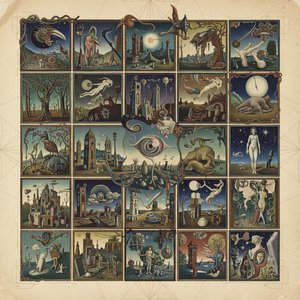
मैक्स अर्न्स्ट की शीर्ष 25 कलाकृतियाँ: स्वप्निल सौंदर्य और आधुनिक कला का सफर | WikiOO
मैक्स अर्न्स्ट की शीर्ष 25 कलाकृतियों का अन्वेषण करें! अतियथार्थवाद और दादावाद के जादू में खो जाएं। WikiOO पर उच्च गुणवत्ता वाले कैनवास प्रिंट और दीवार सजावट खरीदें। कला इतिहास, प्रेरणा और अद्वितीय डिज़ाइन खोजें। अभी देखें!

Bronze Sculptures That Defined Art History | WikiOO
Journey through art history with our Top 10 bronze sculptures! Explore masterpieces by Rodin, Michelangelo & more. Discover stories behind iconic statues and find museum-quality reproductions for your home decor at WikiOO.org.

The Enduring Form: Exploring Themes & Techniques in Sculpture Across Historical Periods
Explore the rich history of sculpture from ancient masterpieces to contemporary innovations. Discover key techniques, influential artists & investment potential for discerning art collectors.

The Enduring Form: Sculpture Across History, Technique & Emotional Resonance
Explore the rich history of sculpture with WikiOO. Discover key techniques, influential artists & investment potential for discerning collectors. Expert insights into valuing and collecting timeless masterpieces.


