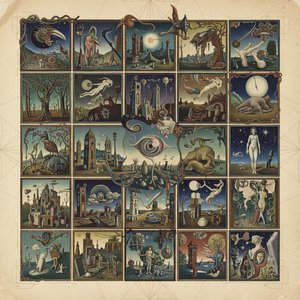
A Symphony of Stone and Spirit: The Heidelberg Castle Museum
Perched dramatically upon the verdant slopes of the Königstuhl, where the shadows of history dance across the weathered red sandstone of Heidelberg’s legendary ruins, lies an institution that transcends the boundaries of a traditional museum. The Kurpfälzisches Museum, or Palatinate Museum, is not merely a repository of objects but a profound dialogue between the ancient earth and the heights of human creativity. Nested within the Palais Morass, the museum offers a sanctuary where the architectural grandeur of the Gothic and Renaissance eras meets the delicate whispers of the past. To wander through its galleries is to embark on a temporal voyage, moving seamlessly from the primordial echoes of our earliest ancestors to the sophisticated elegance of European decorative arts.
The collection itself serves as a breathtaking tapestry of artistic evolution, curated with a sensitivity that speaks deeply to the soul of the collector and the eye of the interior designer. One finds oneself caught in a visual crescendo, transitioning from the solemn religious iconography of the 15th century to the raw, emotive power of 20th-century modernism. The museum holds masterpieces by luminaries such as Lucas Cranach the Elder, whose works embody the intricate detail of the Northern Renaissance, and Max Beckmann, whose presence brings a jarring, necessary vitality to the halls. For those who find beauty in the subtle interplay of light and texture, the expansive graphic arts collection—comprising over 20,000 watercolors, drawings, and prints—offers an intimate encounter with the works of Marc Chagall and Karl Philipp Fohr. These works, many depicting the evocative landscapes of the Neckar Valley, provide a sense of place that is both hauntingly nostalgic and timelessly beautiful.
Where Archaeology Meets Aesthetic Splendor
What truly distinguishes this museum from its contemporaries is its unparalleled ability to weave the scientific with the sublime. It is a rare privilege to stand in the presence of the Homo heidelbergensis jawbone, a monumental piece of paleoanthropological history that anchors the museum in the very dawn of humanity. This profound connection to our biological origins is balanced by the exquisite refinement of the Applied Arts collection. Here, the museum celebrates the tactile luxury of the 18th and 19th centuries through meticulously recreated interiors adorned with fine porcelain, ornate furniture, and delicate glassware. For the designer seeking inspiration in period elegance, these displays offer a masterclass in Rococo grace and classical proportion, showcasing how art was once woven into the very fabric of daily life.
As one explores the reconstructed Heidelberg Mithraeum or admires the Roman artifacts that speak of an ancient, interconnected Europe, the museum reveals itself as a living chronicle of the Palatinate region. It is a place where the ruggedness of archaeological discovery meets the polished brilliance of fine art, creating a unique atmosphere of intellectual curiosity and aesthetic wonder. Whether you are drawn by the historical weight of the Electors Palatine or the delicate allure of a Dutch still life, the Heidelberg Castle Museum promises an experience that is as much about discovering oneself as it is about discovering history. It remains a cornerstone of cultural heritage, inviting every visitor to lose themselves in the magnificent, enduring legacy of human expression.