Sandra Graham: Bridging Academia and Artistic Vision
Sandra Graham’s artistic trajectory is profoundly shaped by her scholarly pursuits, forging a unique perspective on art as a vehicle for social commentary and personal introspection. Born in the United States of America, she cultivated an unwavering dedication to education, earning degrees from Barnard College, Columbia University, and UCLA—a formative experience that instilled within her a sophisticated understanding of pedagogical principles and their transformative influence on societal advancement. This intellectual bedrock serves as the cornerstone of her artistic practice, where she strives to communicate complex themes concerning identity and communal bonds through meticulously crafted visual narratives imbued with palpable emotion.
Graham’s research into student ethnic diversity within K-12 education has been pivotal in defining her artistic focus. Recognizing the urgent necessity for fostering inclusivity and confronting ingrained prejudices—a conviction mirrored in her advocacy for addressing critical issues such as school weapon searches—she approaches her artwork with a discerning gaze, scrutinizing how visual art can catalyze dialogues concerning social justice and ethical considerations. Her unwavering belief that educational institutions should champion tolerance and empathy permeates her oeuvre, reflecting a steadfast commitment to cultivating compassion and fostering mutual comprehension.
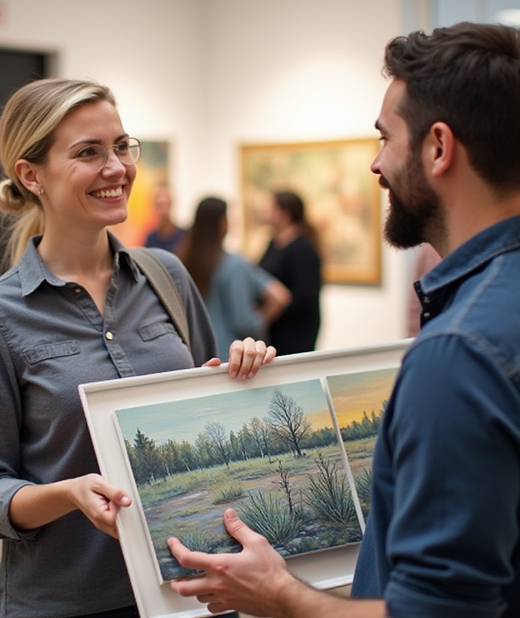
Her artistic style distinguishes itself through the masterful application of textured impasto technique—a deliberate stylistic choice mirroring the multifaceted nature of human experience. Graham employs palette knives and trowels with precision, layering paint in thick strokes that capture the textural richness of the natural world, particularly woodland landscapes. She seeks to distill the sensory impressions derived from traversing these environments—the dappled sunlight filtering through foliage, the dense tapestry of vegetation—into visual representations designed to inspire contemplation and cultivate an appreciation for sublime beauty. This technique isn’t merely aesthetic; it embodies Graham's desire to convey depth and complexity – mirroring the intricacies of human emotion and thought.
Graham’s artistic journey commenced with her undergraduate studies at Barnard College and Columbia University, where she honed her painting skills under the tutelage of esteemed instructors. Following graduation, she pursued a residency at Newby Foundry, expanding her artistic repertoire and deepening her understanding of diverse artistic mediums and methodologies. Her debut solo exhibition in 1994, “Confronting The Foundry,” showcased her burgeoning talent and established her reputation as a compelling visual storyteller—a testament to her unwavering passion for conveying narratives through color and form. Subsequent exhibitions have solidified her position as a respected artist, with her paintings adorning collections both public and private across continents.
Beyond her artistic accomplishments, Graham’s dedication to advancing education extends far beyond lecturing roles. She spearheaded impactful community arts initiatives like Art in Mind and Sandwell Third Age Arts—ventures dedicated to democratizing access to art for vulnerable populations, including seniors and individuals grappling with dementia. Notably, her outspoken critique of L.A Unified's daily random weapon searches underscored her concern regarding surveillance practices and their potential repercussions on school climate – demonstrating her commitment to addressing societal challenges through artistic expression and fostering constructive dialogue. Furthermore, Graham’s thoughtful consideration of violent video games—suggesting a connection between exposure and aggression—underscores her willingness to engage in nuanced discussions about cultural influences and their ramifications for behavior.