

Indice dei contenuti
Informazioni essenziali
- Location: Heidelberg, Deutschland
- Featured artists: alexander colyn
- Works on APS: 1
- Alternate names:
- Museo Palatino
- Museo del Castello di Heidleberg
- Kurpfälzisches Museum
- Palatinate Museum
- Heidelberg Castle Museum
Quiz d'arte
Per ogni domanda è presente una sola risposta corretta.
Domanda 1:
Qual è il principale focus delle collezioni archeologiche del Museo del Castello di Heidelberg?
Domanda 2:
Quale artista è protagonista delle opere pittoriche della collezione del museo?
Domanda 3:
La collezione del museo comprende oltre 20.000 opere grafiche che spaziano dal Medioevo al XX secolo. Quale artista è rappresentato in queste stampe?
Domanda 4:
Cosa distingue il Museo del Castello di Heidelberg dalle altre istituzioni culturali?
Domanda 5:
Quale stile architettonico caratterizza il Castello di Heidelberg?
Artisti in mostra

Alexander Colyn
Esplora le sculture magistrali di Alexander Colyn, artista fiammingo celebre per le sue opere barocche a Innsbruck e Praga. Ammira rilievi in marmo e tombe che mostrano la grandezza imperiale.

Articoli correlati
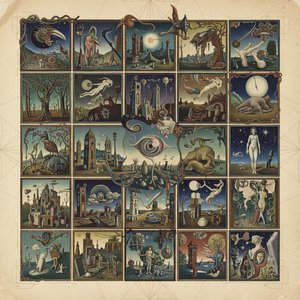
Max Ernst: I 25 Capolavori che Rivoluzionarono l'Arte Moderna | WikiOO
Esplora i 25 capolavori di Max Ernst, pioniere del Surrealismo. Scopri la storia, le tecniche e il simbolismo dietro ogni opera iconica. Trova riproduzioni arte su tela di alta qualità per decorare casa con WikiOO.org.

Max Beckmann: Navigare il Trauma e la Modernità Attraverso una Lente Distorta
Esplora l'opera di Max Beckmann, maestro dell'Espressionismo tedesco e della Neue Sachlichkeit. Analisi approfondite del suo simbolismo distorto, il contesto storico e consigli per collezionisti esperti.

Espressionismo Tedesco: 10 Capolavori Rivoluzionari per Arredare con Emozione
Esplora i 10 capolavori dell'Espressionismo Tedesco con WikiOO.org! Scopri Kirchner, Munch e Nolde, le loro emozioni intense e tecniche rivoluzionarie. Arreda la tua casa con stampe d'arte di alta qualità. Esplora la collezione online!


Iscriviti alla nostra newsletter
Rimani aggiornato sulle ultime novità dell'arte, sulle offerte esclusive e sulle idee di decorazione.
Ricevi 3 suggerimenti d'arte gratuiti
Raccontaci del tuo progetto e i nostri esperti d'arte ti proporranno 3 suggerimenti artistici personalizzati.
Non sai da dove iniziare?
Lascia che creiamo per te una selezione di 3 opzioni su misura – Gratis!
