Josephplatz: A Historical Heart of Vienna
Josephplatz stands as a magnificent testament to Vienna’s imperial past, radiating grandeur and echoing with the footsteps of emperors and dignitaries. More than just a plaza paved with cobblestones, it's a carefully orchestrated panorama of Baroque splendor—a place where architectural magnificence intertwines seamlessly with the narrative of Austrian history. Located in the city center, this square is immediately recognizable by its symmetrical design and monumental scale, reflecting the ambition and prestige of the Habsburg monarchy.- Imperial Legacy: The very genesis of Josephplatz lies in the reign of Emperor Joseph II (1763-1790), who initiated a transformative urban renewal project aimed at elevating Vienna’s status as a European capital. Recognizing the importance of public spaces for civic life and artistic expression, he commissioned the square's creation—a deliberate gesture to solidify Habsburg dominion and commemorate his enlightened reforms. This ambitious undertaking sought to reshape Vienna’s cityscape according to Enlightenment ideals, prioritizing functionality alongside aesthetic beauty.
- Architectural Marvel: Dominating Josephplatz is the imposing equestrian statue of Emperor Joseph II himself, sculpted by Johann Baptist Künstler. This monumental artwork embodies Baroque idealism—the noble posture of the emperor conveys strength and authority while simultaneously embodying humanist values championed during his era. Surrounding the statue are buildings constructed in the late 18th century, showcasing exquisite Baroque ornamentation and reflecting the stylistic influences prevalent at the time. The statue’s bronze patina glows warmly under Vienna’s sunlight, a testament to masterful craftsmanship and artistic vision.
Adjacent to Josephplatz is the Austrian National Library & State Hall—a breathtaking architectural achievement that exemplifies Baroque grandeur. Its soaring ceilings adorned with frescoes depict scenes from Viennese history and mythology, transporting visitors into a realm of artistic splendor. The hall’s intricate stucco work and gilded decorations underscore the wealth and sophistication of Habsburg patronage. These opulent interiors are illuminated by diffused natural light filtering through stained glass windows—a deliberate choice to enhance the grandeur of the space and evoke a sense of solemn reverence.
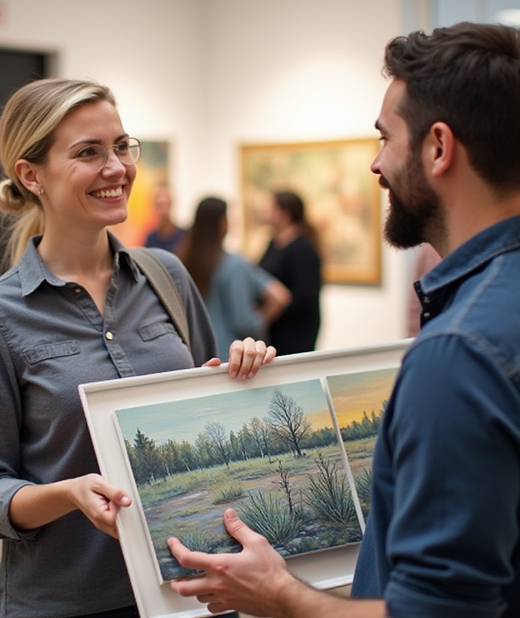
- Notable Exhibitions: Throughout its history, Josephplatz has hosted numerous significant events—royal weddings, imperial processions, and commemorations honoring Austrian heroes—solidifying its role as a focal point for Viennese cultural life. Recent exhibitions have explored themes of Habsburg art patronage and the square’s contribution to Vienna's artistic heritage, showcasing masterpieces by Bernardo Bellotto and Oskar Kokoschka.
- Film Iconography: Perhaps Josephplatz gained international renown thanks to Carol Reed’s cinematic masterpiece, “The Third Man,” filmed in 1949. The square served as a pivotal location for the film’s narrative—a shadowy backdrop for espionage and intrigue that cemented its place in popular culture. Its austere beauty mirrored the film's atmosphere of moral ambiguity and suspense.
Beyond its historical significance and architectural beauty, Josephplatz distinguishes itself through its unique atmosphere—a palpable sense of grandeur and tradition that captivates visitors. It’s a space where one can contemplate the enduring legacy of Austria’s imperial past while appreciating the artistry of Baroque design. The square continues to inspire artists and designers today, serving as a reminder of Vienna’s rich cultural heritage.
- Nearby Attractions: Visitors exploring Josephplatz should not miss the opportunity to visit Hofburg Palace—the Habsburg dynasty's winter residence for centuries—where opulent state rooms and captivating museums offer insights into imperial life. Also consider a stroll along Schubertstraße, named after Franz Schubert, Vienna’s beloved composer.
Josephplatz is more than just a square; it’s a living chronicle of Viennese history—a place where the echoes of emperors resonate alongside the splendor of Baroque art and architecture. Its enduring appeal lies in its ability to transport visitors back to an era of unparalleled artistic achievement and political influence.