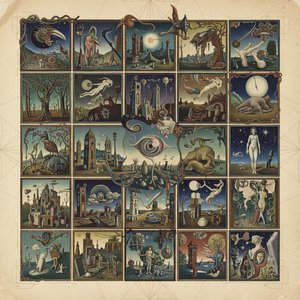
Ernst Nowak: A Pioneer of Vibrant Expressionism
Born in Opava, Czech Republic, in 1851 (though some sources cite 1853), Ernst Nowak’s artistic journey began amidst the burgeoning cultural landscape of late 19th-century Europe. Initially trained as a military officer, Nowak’s true passion lay not in strategy and discipline but in capturing the raw energy and emotional intensity of the world around him. This shift towards art marked a pivotal moment, leading him to pursue painting with unwavering dedication. His early career was largely shaped by his time in Vienna, where he immersed himself in the vibrant artistic circles and experimented with various styles before ultimately establishing himself as a distinct voice within the German Expressionist movement.
Nowak’s oeuvre is characterized by an arresting blend of realism and emotionalism. He wasn't merely depicting scenes; he was conveying feelings—a potent combination that defined his unique approach. His subjects frequently revolved around everyday life, often focusing on religious figures, market scenes, and portraits. However, these familiar themes were rendered with a heightened sense of drama and color, reflecting the anxieties and spiritual yearnings of the era. He possessed an exceptional ability to imbue ordinary moments with profound emotional resonance, utilizing bold colors and dynamic compositions to draw the viewer into his world.
The Influence of Kirchner and Beyond
Nowak’s artistic development was significantly influenced by the Expressionist group Die Brücke (The Bridge), a collective founded in Dresden in 1905. While he wasn't formally a member, he shared many affinities with its core members, particularly Ernst Ludwig Kirchner. The influence of Die Brücke is evident in Nowak’s use of flattened perspectives, distorted forms, and intense color palettes—elements that became hallmarks of the movement. However, Nowak’s style retained a distinct individuality, often characterized by a more lyrical and less overtly confrontational approach than some of his contemporaries.
Furthermore, Nowak's work demonstrates an engagement with Symbolism, particularly in its exploration of spiritual themes and its use of evocative imagery. He frequently depicted religious scenes—often featuring solitary figures or dramatic narratives—infused with a sense of melancholy and introspection. This dual influence – Expressionism and Symbolism – created a rich tapestry within his artistic practice, allowing him to explore complex emotional landscapes.
Key Works and Artistic Techniques
Several of Nowak’s paintings stand out as particularly compelling examples of his distinctive style. “Monk Playing Music” (1908) is perhaps his most celebrated work, a captivating portrayal of contemplation and serenity rendered in vibrant hues. The painting's composition—the monk bathed in light, the musical instrument seemingly radiating energy—evokes a sense of profound peace amidst an uncertain world. Similarly, “Fish Seller” (circa 1910) captures the bustling atmosphere of a market scene with remarkable dynamism and color intensity, showcasing Nowak’s ability to convey both the visual spectacle and the underlying emotional currents of everyday life.
Nowak's technical skill was considerable. He employed a technique that combined meticulous observation with expressive brushwork, creating surfaces that were both detailed and imbued with movement. His use of color—often employing complementary hues to heighten contrast and create a sense of visual excitement—is particularly noteworthy. He wasn’t afraid to experiment with bold combinations, pushing the boundaries of traditional painting techniques.
Legacy and Historical Significance
Ernst Nowak's contribution to German Expressionism is often understated, yet his work deserves recognition as a significant voice within the movement. While he may not have achieved the same level of fame as some of his more prominent colleagues, his paintings offer a valuable insight into the emotional and spiritual concerns of early 20th-century Europe. His exploration of themes such as faith, anxiety, and the human condition continues to resonate with viewers today.
His works are now housed in prestigious collections like the Kirchner Museum in Davos and the Menil Collection in Houston, testament to their enduring artistic merit. Nowak’s legacy lies not only in his individual paintings but also in his pioneering spirit—his willingness to embrace bold colors, expressive forms, and emotionally charged subjects, paving the way for future generations of artists.