
 معاينة الحجم الواقعي
 إرسال
إرسال مشاركة
 عرض التفاصيل
 دليل الأعمال الفنية للطلاب

 تحميل
تحميل
 قطع مشابهة
 الأشعة السينية
 عرض شرائح متتابع
 Q&A
Q&A الإحصائيات
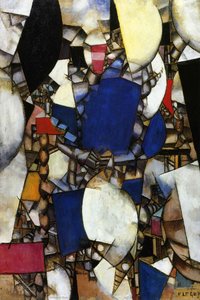
Composition at pitcher

- 28.0 x 26.0 cm


 اقرأ المزيد
طباعة جيلي / مطبوعات فنية
طباعة جيكلي أو كانفاس بجودة المتاحف، مع سرعة في التنفيذ وخيارات متنوعة للتشطيب. ( اطلب نسخة مرسومة يدويًا التحويل إلى الصورة الرقمية)




P118B E£10

P118H E£10

P118W E£10

P438Z E£10

P508JH E£12

P508YH E£12

P805H E£10

P805Z E£10

P919BZ E£10

P919G E£10

P919XJ E£10

P959ZH E£10

P968JZ E£12

W106C E£8

W218G E£10

W218JH E£8

W218Y E£10

W307PJ E£10

W316G E£10

W316PJ E£8

W316Y E£10

W398PJ E£8

W4111J E£10

W500HY E£15

W500JH E£15

W692G E£12

W849H E£8

W940BG E£15

W953PJ E£8




اختر من بين أحجامنا المُعدّة مسبقاً والتي تتوافق مع النسب الأصلية للعمل الفني.

أدخل العرض والارتفاع اللذين تحتاجهما، ليتناسب مع إطارك أو جدارك. يمكن قص المطبوعة فقط، ولا يمكن أبداً جعلها أكبر من الصورة الأصلية، لذا فإن أي مقاس بشكل مختلف سيؤدي إلى فقدان جزء من الصورة. سنرسل لك نموذجاً رقمياً تجريبياً لاعتماده قبل البدء في عملية الطباعة. الصورة المعروضة في هذه الصفحة لا توضح القص الفعلي — النموذج التجريبي فقط هو ما يظهر ذلك.
توصيل عالمي إلى خلال أسبوعين بدلاً من المدة القياسية البالغة 4/5 أسابيع. (31 أكتوبر)

شحن سريع ومجاني لجميع أنحاء العالم

قماش كتان فاخر

تأمين شامل على الشحن

ضمان استرداد الرسوم الجمركية

ضمان دقة مطابقة الألوان

سياسة الإرجاع خلال 100 يوم (في حالات العيوب فقط)

ضمان استرداد نقدي بنسبة 100%

عرض خصم الكميات
 خيار الزجاج متاح فقط للمقاسات التي تقل عن 110 سم

Composition at pitcher
طباعة جيلي / مطبوعات فنية
مقاس النسخة المطبوعة
-


إجمالي السعر
E£ 3192
A Stillness Within the Machine Age
Fernand Léger’s *Composition at pitcher*, painted in 1918, is more than just a still life; it's a quiet declaration of an emerging aesthetic—one that embraced the beauty of the industrial world while retaining a deeply human sensibility. The painting presents a deceptively simple arrangement: a blue vase, gleaming as if metallic, takes center stage before a backdrop suggesting trees. A cup, bottle, and bowl complete the composition, yet within this seemingly ordinary scene lies a profound exploration of form, color, and the changing landscape of early 20th-century life. The work’s modest size—28 x 26 cm—invites an intimate viewing experience, drawing the observer into Léger's carefully constructed world.
The Birth of 'Tubism' and a Rejection of Tradition
Léger’s artistic journey was one of constant evolution. Initially influenced by Impressionism, he quickly moved beyond its fleeting depictions of light to embrace the more structured approach of Paul Cézanne. However, it was his engagement with Cubism that truly defined his style. Yet, Léger wasn't content to simply replicate Picasso or Braque’s fractured perspectives. He developed what became known as “Tubism,” a distinctive variation characterized by simplified cylindrical forms and bold, primary colors. *Composition at pitcher* exemplifies this approach; the objects aren’t broken down into countless facets but are rendered with a robust solidity, their shapes clearly defined and almost monumental. This emphasis on form reflects Léger's fascination with machinery and the industrial world—a world he saw not as cold or alienating, but as possessing its own inherent beauty and dynamism. He sought to create an art that was accessible, reflecting the energy of modern life rather than retreating into academic tradition.
Symbolism in Simplicity: A Post-War Reflection
Created during the final year of World War I, *Composition at pitcher* carries a subtle weight of historical context. While not overtly depicting the horrors of war, the painting can be interpreted as a search for order and stability amidst chaos. The solid forms and carefully balanced composition suggest a desire to rebuild and find beauty in a world shattered by conflict. The objects themselves—the vase, cup, bottle—represent everyday life, a yearning for normalcy after years of upheaval. Some scholars also point to the potential symbolism within the arrangement; the pitcher, as a vessel containing sustenance, could represent hope or renewal. The trees in the background, though stylized, offer a connection to nature and enduring growth. Léger’s choice to depict these commonplace objects with such deliberate attention elevates them beyond mere still life subjects, transforming them into symbols of resilience and the enduring human spirit.
A Lasting Legacy: Léger's Influence on Modern Art
Fernand Léger’s impact on 20th-century art is undeniable. His bold aesthetic paved the way for Pop Art, influencing artists like Andy Warhol and Roy Lichtenstein with his embrace of popular culture and machine aesthetics. *Composition at pitcher*, though a relatively small work, encapsulates the core principles that defined Léger's artistic vision: a celebration of modernity, a rejection of traditional representation, and a profound belief in the power of art to reflect and shape the world around us. A reproduction of this painting offers not only a beautiful addition to any collection but also a tangible connection to a pivotal moment in art history—a moment when artists began to redefine what it meant to create and experience beauty in an increasingly mechanized age.
الأسئلة والأجوبة
ما مقدار الضوء الذي تبدو ألوان "Composition at pitcher" عاكسة له؟
تتمتع لوحة "Composition at pitcher" للفنان فرناند ليجر بدرجة سطوع تبلغ Gentle Luminance. ويصف السطوع مقدار الضوء الذي تبدو الألوان عاكسة له.
هل يمكنني رؤية "Composition at pitcher" للفنان فرناند ليجر تحت إضاءات مختلفة؟
يمكن فحص "Composition at pitcher" طبقة تلو الأخرى عبر صفحة الأشعة السينية الخاصة بالعمل الفني، وهو عرض تفاعلي مستوحى من طاولة الإضاءة التي يستخدمها المرممون، ويقدم إحدى عشرة قراءة بصرية للصورة.
هل تُعد "Composition at pitcher" نموذجاً لما اعتاد فرناند ليجر على إبداعه عادةً؟
من بين الثيمات المسجلة لـ فرناند ليجر - وهي cézanne’s geometric forms, cubism & industrialization, post-wwi disillusionment, machine aesthetic influence, purist ideals of clarity, shift to figurative style, exploration of modern life, key work in 'tubism' phase - يركز عمل "Composition at pitcher" بشكل خاص على still life, cubism, purism, vase, geometric, modern art, composition, industrial.
أعمال فنية مشابهة




نبذة عن الفنان
فرناند ليجر: نحات الأشكال الأسطوانية ورائد الفن الحديث
في قلب المشهد الفني الفرنسي في أوائل القرن العشرين، يبرز فرناند ليجر كشخصية فريدة ومؤثرة. وُلد جوزيف فرديناند هنري ليجر في بلدة أرجنتان الريفية عام 1881، ونما في بيئة قريبة من الطبيعة والعمل اليدوي، وهو ما ترك بصمة واضحة على رؤيته الفنية لاحقًا. لم يكن طريقه نحو الفن تقليديًا؛ فقد بدأ حياته المهنية كمتدرب معماري، لكن شغفه بالرسم والرغبة في التعبير عن رؤيته الخاصة قادته إلى عالم الفن التشكيلي. رحلته من الحقول الريفية إلى صدارة الحركة الفنية الحديثة هي شهادة على إصراره ورؤيته الثاقبة التي سعت إلى التقاط روح العصر الآلي الجديد. لم يكتف ليجر بالانضمام إلى تيارات التجريد السائد، بل سعى إلى دمج حيوية العصر الميكانيكي وأشكاله في لغة بصرية جديدة تجمع بين القوة المجردة والارتباط العميق بالعالم المرئي.من الانطباعية إلى "الأسطوانية": تطور أسلوب ليجر
شكلت تجربة ليجر مع أعمال بول سيزان نقطة تحول حاسمة في مسيرته الفنية. بعد مشاهدة معرض لأعمال سيزان عام 1907، انطلق ليجر في رحلة استكشاف شكلية جريئة، حيث بدأ في تفكيك الأشكال وتحليل بنيتها الأساسية وإعادة بنائها على القماش مع التركيز الجديد على الصلابة والحجم. هذا الاستكشاف قاده إلى عالم التكعيبية، لكنه لم يكتفِ بمجرد تقليد أساليب بيكاسو وبراك؛ بل طور أسلوبه الخاص الذي أطلق عليه النقاد لاحقًا اسم "الأسطوانية". تتميز هذه الأسلوبية بالأشكال الأسطوانية والخطوط المستقيمة والمستويات المسطحة، والألوان الزاهية والمتناقضة. احتفى ليجر من خلالها بالجماليات الميكانيكية قبل أن تصبح موضوعًا شائعًا في الفن. كانت أعماله المبكرة تعكس تأثيرات الانطباعية، لكنه سرعان ما تخلى عن هذا الأسلوب، مدركًا أنه لا يعبر بشكل كافٍ عن رؤيته الخاصة للعالم الحديث.الحرب والآلة: تحول فني عميق
أحدث اندلاع الحرب العالمية الأولى تحولاً جذريًا في حياة ليجر وفنه. الخدمة العسكرية في الجبهة الأمامية عام 1914-1916 عرّضته لواقع الحرب الحديثة القاسي - قصف المدفعية، ومعارك الطائرات، وتأثيرات الإنسانية المهددة من قبل الآلات. لم يؤدِ هذا إلى خيبة أمل أو رفض للحداثة؛ بل عزز اهتمامه بالآلات وقوتها. رسم ليجر خلال خدمته العسكرية رسومات للأجهزة العسكرية، محولًا أدوات الدمار إلى موضوعات للتأمل الفني. بعد عودته إلى الحياة المدنية، شهدت جمالية ليجر تطوراً إضافياً، حيث بدأت لوحاته تعكس حساسية ميكانيكية أكثر سلاسة، تحتفي بالديناميكية والكفاءة في العالم الصناعي. يعتبر عمل "جندي مع غليون" (1916) مثالًا على هذا التحول، حيث تعرض أشكالاً مبسطة وألوانًا جريئة تثير إحساسًا بالدقة الميكانيكية. لم يكن هذا مجرد خيار جمالي؛ بل كان بيانًا فلسفيًا يؤكد على الإمكانات التقدمية والتجديدية للحداثة، حتى في أعقاب الصراع المدمر.إرث ليجر وتأثيره الدائم
في سنوات ما بعد الحرب، واصل ليجر استكشاف التقاطع بين الفن والصناعة، حيث ابتكر أعمالاً تحتفل بالحياة الحديثة بمزيج فريد من التجريد والتصوير. أظهرت سلسلة "المناظر الطبيعية الحية" (1921) شخصيات وحيوانات مدمجة بسلاسة في تركيبات مبسطة، مما يطمس الحدود بين الأشكال العضوية وغير العضوية. كما جرب النحت وصناعة الأفلام، موسعًا ممارسته الفنية خارج حدود الرسم التقليدي. لا يمكن إنكار تأثير ليجر على الأجيال اللاحقة من الفنانين. لقد أدت تبسيطه الجريء للشكل واحتضانه لصور الصناعة والاحتفاء بالثقافة الشعبية إلى توقع ظهور فن البوب عقودًا لاحقًا. مدينون له فنانون مثل روي ليختنشتاين وآندي وارهول، حيث جسر بين الفن المجردد والتصويري، وأظهر أنه من الممكن إنشاء أعمال تكون في نفس الوقت صارمة فكريًا وجذابة بصريًا. اليوم، تُعرض لوحات فرناند ليجر في كبرى المتاحف حول العالم، بما في ذلك متحف الفن الحديث في نيويورك ومتحف ألبرتينا في فيينا. يظل شخصية بارزة في فن القرن العشرين - وهو بطل تنبأ بالجمال في العصر الآلي وتجسيده على القماش بشجاعة وأصالة لا مثيل لها. إرثه ليس مجرد رسام، بل هو نبي للحداثة. فنان رائد حقيقي يظل عمله يتردد صداه لدى الجماهير حتى اليوم.
فرناند ليجر
1881 - 1955 , فرنسا
لمحة سريعة
- الأعمال الفنية البارزة:
- المرأة جالسة
- عنصر آلة
- المسيرة الكبرى
- المدينة
- الاسم الكامل: فرناند ليجر
- الجنسية: فرنسي
- الحركة الفنية أو الأسلوب: التكعيبية، التوبيزم
- الفنانون أو الحركات المتأثرة: ['فن البوب']
- الفنانون المؤثرون: ['بول سيزان']
- تاريخ الميلاد: 4 فبراير 1881
- مكان الميلاد: أرجنتان، فرنسا
مقالات ذات صلة

أعمال جورج براك الخالدة: 25 تحفة فنية تزين منزلك بلمسة فنية راقية
اكتشف 25 تحفة فنية لجورج براك، رائد الت تكعيبية. تعرف على قصص لوحاته الخالدة وألوانها الفريدة. طباعة لوحات أصلية عالية الجودة لديكور منزلي فاخر. استكشف المجموعة الكاملة الآن على WikiOO.org!

Industrial Revolution on Canvas: 10 Artworks That Define a Modern Aesthetic
Explore 10 iconic artworks capturing the Industrial Revolution’s grit & beauty. From Monet to Manet, discover realism, impressionism & powerful scenes of urban life. Find museum-quality reproductions for your home at WikiOO.org.

Modern Geometry & Machine Age Beauty: A Collector's Guide to the Cubist Vision of Fernand Léger
Explore the profound geometric mastery of Fernand Léger. Discover how his 'Tubism' and Machine Age aesthetics redefined modern art, offering timeless inspiration for discerning collectors seeking to integrate Cubist dynamism into sophisticated contemporary interiors.

Deconstructing Reality: A Comprehensive Exploration of Cubist Still Life
Explore the revolutionary world of Cubist Still Life with WikiOO. Discover Picasso & Braque's groundbreaking techniques, its philosophical roots, and lasting impact on modern art. Expert insights for collectors.

أعمال فيرناند ليجر الخالدة: 25 تحفة فنية تزين منزلك بلمسة عصرية
اكتشف 25 تحفة فنية لفيرناند ليجر، رائد الت تكعيبية والفن الحديث. استكشف قصص لوحاته الجريئة وألوانها المميزة وتأثيرها على عالم الديكور والتصميم الداخلي. احصل على نسخ عالية الجودة من أعمال ليجر الأصلية على WikiOO.org.


