
 معاينة الحجم الواقعي
 مشاركة
 مشاركة
 التفاصيل
 دليل
دليل

 تحميل الملف
 قطع مشابهة
 الأشعة السينية
 عرض شرائح
 الأسئلة والأجوبة
 الإحصائيات
Dance

- 272.0 x 198.0 cm


 عرض المزيد
طباعة جيلي / مطبوعات فنية
طباعة جيكلي أو كانفاس بجودة المتاحف، مع سرعة في التنفيذ وخيارات متنوعة للتشطيب. ( شراء لوحة مرسومة يدويًا الانتقال إلى الصورة الرقمية)




P118B E£10

P118H E£10

P118W E£10

P438Z E£10

P508JH E£12

P508YH E£12

P805H E£10

P805Z E£10

P919BZ E£10

P919G E£10

P919XJ E£10

P959ZH E£10

P968JZ E£12

W106C E£8

W218G E£10

W218JH E£8

W218Y E£10

W307PJ E£10

W316G E£10

W316PJ E£8

W316Y E£10

W398PJ E£8

W4111J E£10

W500HY E£15

W500JH E£15

W692G E£12

W849H E£8

W940BG E£15

W953PJ E£8




اختر من بين أحجامنا المُعدّة مسبقاً والتي تتوافق مع النسب الأصلية للعمل الفني.

أدخل العرض والارتفاع المطلوبين ليتناسب المقاس مع إطارك أو جدارك. يرجى الملاحظة أن المطبوعة يمكن قصها فقط ولا يمكن تكبيرها لتتجاوز أبعاد الصورة الأصلية، لذا فإن اختيار مقاس بأبعاد مختلفة سيؤدي إلى فقدان جزء من الصورة. سنرسل لك نموذجاً رقمياً تجريبياً لاعتماده قبل البدء في عملية الطباعة. الصورة المعروضة في هذه الصفحة لا توضح شكل القص الفعلي — النموذج التجريبي فقط هو ما يظهر ذلك بدقة.
توصيل عالمي إلى خلال أسبوعين بدلاً من المدة القياسية البالغة 4/5 أسابيع. (18 نوفمبر)

شحن سريع ومجاني لجميع أنحاء العالم

قماش كتان عالي الجودة

تأمين شامل على الشحن

ضمان استرداد الرسوم الجمركية

ضمان مطابقة الألوان الحقيقية

سياسة الإرجاع خلال 100 يوم (في حالات العيوب فقط)

ضمان استرداد نقدي بنسبة 100%

خصم عند طلب كميات
 خيار الزجاج متاح فقط للمقاسات التي تقل عن 110 سم

Dance
طباعة جيلي / مطبوعات فنية
مقاس النسخة المطبوعة
-


إجمالي السعر النهائي
E£ 3378
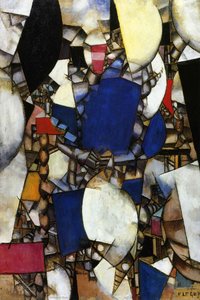
A Dynamic Interplay of Form: Exploring Fernand Léger’s “Dance”
“Dance,” a monumental work by Fernand Léger measuring 272 x 198 cm, is a captivating example of his distinctive Cubist-inspired style. This painting doesn't depict a literal dance as much as it *embodies* the energy and rhythm of movement through fragmented forms and bold geometric shapes. It’s a powerful statement on modernity, human interaction, and the very essence of performance.Stylistic Innovation: Beyond Traditional Cubism
While deeply rooted in the principles of Cubism, Léger's approach diverges from the more analytical phase pioneered by Picasso and Braque. Instead of breaking down objects into purely intellectual facets, Léger constructs his composition using simplified, often cylindrical or trapezoidal forms – a style sometimes referred to as “Tubism.” This emphasis on machine-like shapes reflects the artist’s fascination with the modern industrial world and its impact on human life. The flattened perspective and limited depth further contribute to the painting's dynamic quality, creating a sense of immediacy and visual compression. It leans heavily into Synthetic Cubism, building up forms through collage-like arrangements of color and shape.Technique & Materials: A Bold Application of Color
“Dance” is believed to be executed in oil paint on canvas. Léger’s technique involves layering colors in broad brushstrokes or flat planes, deliberately rejecting traditional methods that prioritized illusionistic representation. The result is a surface that feels both vibrant and structurally sound. The interplay of color – though specifics are unavailable without further research – likely contributes significantly to the work's emotional impact, creating visual tension and highlighting the fragmented forms. Shadows aren’t used for modeling but rather as integral elements defining the geometric planes.Historical Context: Léger & The Puteaux Group
Fernand Léger (1881-1955) was a pivotal figure in early 20th-century art, bridging Impressionism and the avant-garde movements that followed. Beginning his artistic journey with landscapes influenced by Impressionism – such as “Le Jardin de ma Mère” (My Mother’s Garden) from 1905 – he quickly embraced Cubism around 1910. He became associated with the *Puteaux Group*, a collective of artists exploring abstraction and machine aesthetics, solidifying his place at the forefront of artistic innovation. “Dance,” likely created during this period of experimentation, embodies Léger’s unique contribution to the development of modern art.Symbolism & Emotional Resonance
The subject matter – two figures engaged in an abstracted dance – is rich with symbolic potential. The dance itself can be interpreted as a metaphor for human interaction, collaboration, and the dynamic energy of life. The fragmented forms might represent the complexities of modern existence or the breakdown of traditional structures. While not overtly narrative, the painting evokes a sense of dynamism, rhythm, and perhaps even a touch of controlled chaos. It’s an artwork that prioritizes *feeling* over literal depiction, inviting viewers to engage with its abstract language on an emotional level.For Collectors & Designers
- A Statement Piece: “Dance” is a commanding work due to its size and bold aesthetic, making it a striking focal point in any collection or interior.
- Modernist Appeal: Its Cubist-inspired style aligns perfectly with modernist design principles – clean lines, geometric forms, and a focus on abstraction.
- Color Palette Versatility: The painting’s color scheme (details pending further research) likely offers versatility, complementing a range of interior palettes from neutral tones to bolder, more vibrant schemes.
- Investment Potential: Fernand Léger is a highly regarded artist with a strong market presence. A high-quality reproduction of “Dance” would be a valuable addition to any art collection.
الأسئلة والأجوبة
ما هي التقنية والأسلوب اللذان يميزان "Dance" للفنان فرناند ليجيه؟
تُنفذ لوحة "Dance" باستخدام Acrylic On Canvas، وبأسلوب Cubism.
كيف تندرج لوحة "Dance" ضمن الموضوعات المتكررة لدى فرناند ليجيه؟
من بين الثيمات المسجلة لـ فرناند ليجيه - وهي cubist abstraction, geometric dynamism, industrial aesthetic, machine age influence, urban energy captured, performance & spectacle, simplified human form, leger's visual language - يركز عمل "Dance" بشكل خاص على abstract dance, geometric forms, dynamic movement, stage performance, fragmented figures, color blocking, modern art, synthetic cubism.
هل يمكنني معاينة "Dance" للفنان فرناند ليجيه قبل الطلب؟
يمكنك معاينة "Dance" للفنان فرناند ليجيه عبر صفحة معاينة العمل الفني الخاصة بالعمل الفني.
أعمال فنية ذات صلة




السيرة الذاتية للفنان
حياة فرناند ليجر
تبدأ قصة فرناند ليجر في قرية أرجنتان، الواقعة في منطقة أورن في نورماندي السفلى. لقد أبصر النور في الرابع من فبراير عام 1881، كابن وحيد لوالديه. تشكلت سنواته الأولى تحت ظلال الهدوء الذي يلف الريف الفرنسي، وبحضور والدته ماري-أديل داونو، التي كانت الركيزة الأساسية في حياته. ومع رحيل والده، الذي كان يعمل في تجارة الماشية، بينما كان فرناند لا يزال صبيًا صغيرًا، كُلفت الأم بتربية طفلها في منزل اتسم بالتقوى والزهد والسكينة.
لقد وفرت هذه النشأة في المناظر الطبيعية الريفية لنورماندي تباينًا جوهريًا مع الحياة التي سيخوض غمارها لاحقًا في المراكز الثقافية الصاخبة لفرنسا. وبينما كانت جذوره مرتبطة بالأرض وبالمادية الملموسة للحياة الزراعية، كانت روحه تنجذب نحو تعقيدات العصر الحديث. ومع مرور الوقت، توسع نطاق إبداعه ليتجاوز حدود أرجنتان بكثير، ليصبح فنانًا متعدد التخصصات؛ فلم يحصر نفسه بين حدود اللوحة القماشية فحسب، بل سعى للتعبير عن رؤيته من خلال النحت وعبر الصور المتحركة في عالم السينما.
كانت حياته عبارة عن حركة مستمرة بين الأنسجة العضوية التي ميزت طفولته، وبين الإيقاعات الميكانيكية المنظمة التي فرضتها المدن. هذه الازدواجية هي التي حددت جوهر وجوده، بينما كان يشق طريقه عبر التحولات العاصفة لقرن يتغير باستمرار. لم يكن مساره أبدًا طريقًا سهلاً، بل كان محفورًا بالتوتر القائم بين عالم الطفولة التقليدي والنبض الصناعي المتسارع للمستقبل الذي سيساهم، من خلال فنه، في صياغة ملامحه.
البدايات، العائلة والتدريب الفني
غُرست جذور رؤيته الفنية في المناظر الريفية لبلدة أرجنتان، في منطقة أورن بأسفل نورماندي بفرنسا. ولد في عالم يرتكز على تربية الماشية، حيث تشكلت سنواته الأولى من خلال مادية الأرض والإيقاعات الهادئة للحياة الزراعية. هذا الارتباط الوثيق بالعالم الملموس والعملي ظل بمثابة حضور صامت يكمن تحت سطح استكشافاته الفنية الأكثر تعقيداً في مراحل لاحقة. كان الابن الوحيد، وترعرع تحت رعاية أم اتسمت بالتقوى والتواضع، مما وجه مساره في البداية نحو الانضباط الهيكلي لعلم العمارة. ومن عام 1897 إلى عام 1899، كرس نفسه لهذه الحرفة التقنية، حيث تعلم منطق الفراغ وضرورة الرسم الهندسي الدقيق.
بحلول عام 1900، أصبح سحر المدينة أقوى من أن يُقاوم، فانتقل إلى باريس. كافح من أجل لقمة عيشه من خلال العمل كرسام معماري، وهو دور يتطلب عيناً ثاقبة للخطوط والنسب. وبينما وفر له تدريبه الرسمي في الهندسة المعمارية أساساً من الفهم الهيكلي، بدأ قلبه يميل نحو لوحات الرسم. سعى للالتحاق بمدرسة الفنون الجميلة المرموقة، لكن المؤسسة لم تمنحه الصفة الرسمية كطالب مسجل. ومع ذلك، لم يثنه ذلك عن شغفه، فاستمر في حضور دروس المدرسة كطالب غير مسجل، ممتصاً دروس الأساتذة العظام بينما كان يتنقل على هوامش المؤسسة الأكاديمية. كانت هذه الفترة الدراسية، رغم وصفها أحياناً بأنها مرحلة من البحث، ضرورية في صقل المهارة التقنية التي سيستخدمها لاحقاً لتفكيك العالم وإعادة بنائه وفق رؤيته الخاصة.
تأثير سيزان والتكعيبية
شهد عام 1907 تحولاً جذرياً في مسيرة الفنان، حينما وقعت عيناه على المعرض الاستذكاري لأعمال سيزان في "صالون الخريف". لم يكن هذا اللقاء مجرد صدفة عابرة، بل كان بمثابة المحفز الذي انتشله من عالم الانطباعات الناعمة التي ميزت سنوات شبابه، ليدفع به نحو رؤية أكثر هيكلية وعمقاً. بدأ فرناند ليجر ينظر إلى ما و beyond سطح الأشياء، باحثاً عن الهندسة الكامنة التي تشكل جوهر العالم. ومع حلول عام 1909، تعززت مكانته داخل الدوائر الإبداعية في باريس، حيث التقى بقامات فنية فذة مثل ألكسندر أرشيبينكو، وجاك ليبشيتز، ومارك شاغال، وروبرت ديلوني. لم تكن هذه اللقاءات مجرد مناسبات اجتماعية، بل كانت تصادماً للأفكار الجديدة التي ساهمت في صياغة ملامح رؤيته الفنية المتطورة.
ومع مرور السنوات، وجد نفسه يتحرك في فلك "مجموعة بوتو"، وهي حلقة من الفنانين عُرفت أيضاً باسم "القسم الذهبي". وبالتعاون مع جان ميتزينجر وهنري لو فكونييه، غاص في استكشاف الإمكانات الرياضية والإنشائية لهذه اللغة البصرية الجديدة. لم يكن فرناند ليجر يكتفي بمجرد السير على الخطى التي رسمها الآخرون، بل سعى جاهداً لإيجاد مساره الخاص عبر المستويات المتكسرة والأشكال المتداخلة التي ميزت ذلك العصر. وقد توجت هذه الفترة من التجريب المكثف بأول معرض رئيسي له في "صالون المستقلين" عام 1911، حيث قدم عمله المتميز عرايا في الغابة.
- عرايا في الغابة (1911)
الحرب والفترة الميكانيكية
جرفت فوضى الحرب العظمى الفنان بعيداً عن مراسم باريس الهادئة، لتقذف به في مواجهة الحقائق القاسية للجبهة. فمنذ عام 1914 وحتى عام 1917، خدم في الجيش الفرنسي، حيث قضى عامين مضنيين في منطقة "أرغون". لم تكن تلك الحرب مجرد خلفية عابرة لحياته، بل كانت قوة تحولية أعادت صياغة إدراكه لمفهوم الشكل والجوهر. وفي عام 1916، كاد هجوم بالغاز الخردلي أن يودي بحياته، ليجد نفسه في مرحلة تعافٍ بينما كان العالم من حوله يُعاد تشكيله تحت وطأة الدمار الصناعي الهائل. وحتى خلال إجازة قصيرة في العام نفسه، وجد نفسه مدفوعاً برغبة ملحة للرسم، فخرج لنا عمله جندي مع غليون؛ وهو العمل الذي جسد إحساساً بالواقع الجديد، حيث بدأت الهيئة البشرية تكتسب خصائص الآلات التي هيمنت على ساحات القتال.
وبحلول عام 1917، كانت ملامح تحول جذري قد استقرت في روحه الإبداعية، معلنةً بداية ما سيُعرف بـ "فترته الميكانيكية". لقد وجد فرناند ليجر جمالاً إيقاعياً غريباً في أدوات وتكنولوجيا الحرب الحديثة والصناعة؛ فأصبحت الأشكال الأسطوانية المصقولة ودقة الأجزاء الميكانيكية هي لغته البصرية الجديدة. لم ينظر إلى هذه الأشياء بوصفها باردة أو مجردة من المشاعر، بل احتفى بقوتها وقدرتها على تنظيم فوضى الوجود الحديث. لقد جردت الحرب تلك الحواف الناعمة التي ميزت أعماله المبكرة، واستبدلتها بوضوح هيكلي حاد يعكس صلابة الفولاذ وحركة المكابس في عصر يتغير بسرعة مذهلة.
التقنية والأسلوب
كانت ريشة فرناند ليجر تتحرك بدقة إيقاعية تكاد تكون صناعية، سعيًا منها لالتقاط نبض عصر يتغير باستمرار. لقد ابتعد عن الظلال الناعمة والممتزجة التي ميزت الفنون السابقة، واختار بدلاً من ذلك بناء تكويناته من خلال لغة تعتمد على القوة الهندسية المتينة. أدى هذا التوجه إلى تطوير شكل شخصي من التكعيبية، حدده النقاد لاحقًا باسم "الأسطوانية" أو "الأنبوبية". وفي هذا الأسلوب، أعيد تصور العالم من خلال أشكال أسطوانية ومخروطية ومكعبة، مما خلق إحساسًا بالحجم يبدو صلبًا وديناميكيًا في آن واحد؛ فلم يكن يكتفي بمجرد رسم الأشياء، بل كان يسعى لاكتشاف منطقها البنيوي الجوهري.
أما الألوان التي اختارها، فكانت بجرأة الأشكال التي تملؤها؛ حيث فضل لوحة ألوان تهيمن عليها الألوان الأساسية، تتخللها غالبًا تباينات حادة من الأبيض والأسود، مما ساعد في تحديد الحدود القاطعة لموضوعاته. وبدلاً من الاعتماد على الخداع البصري التقليدي، كان يطبق الطلاء في مساحات لونية مسطحة وجريئة، وغالبًا ما استخدم تقنية "الإمباستو" الكثيفة، وهي تقنية تبرز الوجود المادي للمادة على القماش. هذا النهج الملمسي ضمن أن تبدو أعماله راسخة ومادية، لتعكس تمامًا الآلات والهياكل العمرانية التي كان يعشقها. وكثيرًا ما كانت شخصياته تتخذ أشكالًا مصقولة ذات مظهر ميكانيكي، مما أدى إلى طمس الخط الفاصل بين الشكل البشري العضوي والدقة الهندسية للعصر الحديث.
- العرايا في الغابة (1910)
- المرأة باللون الأزرق (1912)
- جندي مع غليون (1916)
- الميكانيكي (1920)
السنوات الأخيرة والرحيل
جرفت أمواج الصراعات العالمية المتغيرة الفنان بعيداً عن دوائره الفنية في باريس، لتقذف به عبر المحيط الأطلسي. فبين عامي 1940 و1945، عاش فرناند ليجر في الولايات المتحدة، وهي فترة منحت رؤيته منظوراً مختلفاً تجاه العالم الحديث الذي طالما سعى لترجمته على قماش اللوحات. مثلت هذه التجربة في الخارج وقفة تأملية في مسيرة تطوره الطويلة، ولحظة انتقال جوهرية سبقت عودته النهائية إلى تراب فرنسا.
ومع عودته إلى وطنه، شهدت حياته الشخصية تحولاً ملموساً؛ ففي فبراير من عام 1952، تزوج من ناديا خوداسيفيتش، ليمثل هذا الارتباط فصلاً أخيراً في حياته، فصلاً اتسم بالاستمرار في الإبداع والإنتاج الغزير لأعماله المتنوعة، التي تراوحت بين الجداريات الضخمة والنوافذ الزجاجية الملونة الرقيقة. ورغم تقدمه في العمر، ظل صيته يتردد بقوة في المحافل الدولية، حيث حاز في عام 1955 على الجائزة الكبرى في بينالي ساو باولو، وهو تكريم رفيع جاء في العام ذاته الذي شهد رحيله. وارتحل فرناند ليجر عن عالمنا في 17 أغسطس 1955، في مدينة جيف سور إيفيت، فرنسا.
الإرث والتأثير
ترك فرناند ليجر بصمة فنية تجاوزت حدود الدوائر الطليعية في عصره، حيث نجح ببراعة في جسر الهوة بين الفن التجريدي والتمثيل التشخيصي، مقدمًا للفنانين مسارًا جديدًا للتفاعل مع العالم الحديث دون التخلي الكامل عن الموضوع الإنساني. لقد أتاح نهجه الفريد قيام حوار بصري بين المنطق الهيكلي للهندسة وبين الحضور الملموس للأشخاص والأشياء؛ وهذه القدرة على إيجاد أرضية مشتركة بين ما هو مفاهيمي بحت وما هو واقعي ملموس، ساهمت بشكل جوهري في تشكيل مسار الكثير من التيارات الفنية التي تلت حقبته.
إن تبسيطه الجريء للأشكال وشغفه بجماليات الإنتاج الضخم جعلا منه رائدًا سابقًا لحركة "الفن الشعبي" (Pop Art). فقد رأى جمالًا خاصًا في الطبيعة الوظيفية والتكرارية لعصر الآلة، وهي رؤية ترددت أصداؤها لاحقًا لدى جيل جديد من المبدعين. فنانون مثل روي ليشتنشتاين و أندي وارهول رسموا خطًا واضحًا يمتد من تجاربه في استخدام الخطوط العريضة والصور الميكانيكية إلى استكشافاتهم الخاصة للثقافة الشعبية. لقد ساعد ليجر في إعداد اللغة البصرية لعصر سيحتفي في نهاية المطاف بالعناصر الصناعية والتجارية ذاتها التي سعى هو ذاته ذات يوم إلى ترجمتها على قماش اللوحة.
أين يمكنك مشاهدة أعماله اليوم
للمس الحضور المادي لرؤيته الفنية، قد يجد المرء نفسه مسافراً نحو جنوب فرنسا، وتحديداً إلى بلدة "بيو" في منطقة "ألب ماريتيم". هناك، يقع المتحف الوطني لفرناند ليجر، وهو صرح مخصص بالكامل لدراسة وحفظ نتاجه الإبداعي. يشغل المتحف مبنى "ماس سانت أندريه"، وهي فيلا كانت ملكاً للفنان نفسه. وداخل هذه الجدران وفي الحدائق المحيطة بها، تجد منحوتاته الخزفية متعددة الألوان مستقرها الطبيعي، مما يتيح للمشاهد إدراك كيفية تفاعل أشكاله مع الضوء وفضاء المناظر الطبيعية المتوسطية.
وإلى جانب هذا الملاذ المتخصص، تُحفظ لوحاته ومنحوتاته في مؤسسات عريقة وذات أهمية كبرى؛ حيث يحتفظ متحف الفن والتاريخ في فرنسا بمجموعة من أعماله، مما يضمن استمرار حضوره في السردية الأوسع للفن الفرنسي. وتسمح هذه المجموعات بمواصلة دراسة كيفية ترجمته لطاقة العصر الآلي إلى أشكال بصرية ساكنة، لكنها تنبض بالحياة في آن واحد. ويمكن للمسافرين الباحثين عن جمالياته الخاصة العثور على آثاره في عدة مجموعات رئيسية، منها:
- متحف كيمبل للفنون في فورت وورث
- متحف الفن الحديث في مدينة نيويورك
- المتحف الوطني لفرناند ليجر في بيو
إن تأثيره لا يزال يتردد صداه في أعمال الآخرين، إلا أن الطريقة الأساسية لمعاينة لمسته المباشرة تكمن في هذه المستودعات الفنية الراسخة. وسواء كنت تتأمل الأشكال الأسطوانية الجريئة في أجواء المتحف، أو تشاهد منحوتاته في سكون الحديقة، فإنك ستواجه ذات الوضوح البنيوي الذي ميز عمل حياته. إن إرثه يظل راسخاً في هذه المواقع المحددة، حيث تُحفظ الإيقاعات الميكانيكية الثقيلة للوحاته لمن ينشدون الحقيقة الكامنة في هندسته.

فرناند ليجيه
1881 - 1955 , فرنسا
حقائق سريعة
- Artistic Movement Or Style:
- التكعيبية
- الأسطوانية
- القسم الذهبي
- النقاء
- الدادائية
- البنائية
- Artists Or Movements Influenced By This Artist:
- فن البوب
- روي ليشتنشتاين
- أندي وارهول
- Artists Who Influenced This Artist: ['بول سيزان']
- Date Of Birth: 1881
- Date Of Death: 1955
- Full Name: جوزيف فرديناند هنري ليجر
- Nationality: فرنسي
- Notable Artworks:
- عرايا في الغابة
- المدينة
- الميكانيكي
- ثلاث نساء
- المرأة باللون الأزرق
- Place Of Birth: أرجنتان، فرنسا
مقالات ذات صلة

Emotional Transmutation in Visual Art: A Study of Affective Representation Through Color, Form, and Texture
Explore the fascinating intersection of art & emotion! Discover how color, form, and texture convey feelings in masterpieces. Expert analysis for collectors & enthusiasts.

Decoding Impasto: The Emotional Power and Texture of Van Gogh's Brushstrokes
Explore the profound emotional depth of Van Gogh's impasto technique. Discover how his sculptural brushstrokes and textured oil layers define Post-Impressionism through an expert art-historical lens, perfect for discerning collectors and fine art enthusiasts.

The Mechanical Aesthetic of Fernand Léger: Cubism, Tubism, and the Industrial Pulse of Modernity
Explore the industrial evolution of Fernand Léger from Cézanne to Tubism. Discover the pulse of modernism now.

Mastering the Machine Age: The Top 25 Fernand Léger Artworks
Immerse yourself in the vibrant world of Fernand Léger. Explore 25 iconic Cubist masterpieces, from bold Tubism to machine-age aesthetics. Find inspiration for your decor with museum-quality art reproductions. Discover all masterpieces on WikiOO.org.

أعمال فيرناند ليجر الخالدة: 25 تحفة فنية تزين منزلك بلمسة عصرية
اكتشف 25 تحفة فنية لفيرناند ليجر، رائد الت تكعيبية والفن الحديث. استكشف قصص لوحاته الجريئة وألوانها المميزة وتأثيرها على عالم الديكور والتصميم الداخلي. احصل على نسخ عالية الجودة من أعمال ليجر الأصلية على WikiOO.org.


