

 معاينة الحجم الواقعي
 إرسال
إرسال مشاركة
 عرض التفاصيل
 دليل الأعمال الفنية للطلاب

 تحميل
تحميل
 قطع مشابهة
 الأشعة السينية
 عرض شرائح متتابع
 الإحصائيات
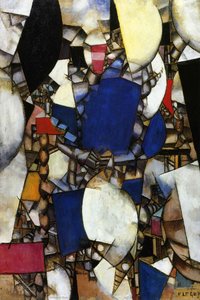
untitled (3146)


 اقرأ المزيد
طباعة جيلي / مطبوعات فنية
طباعة جيكلي أو كانفاس بجودة المتاحف، مع سرعة في التنفيذ وخيارات متنوعة للتشطيب. ( اطلب نسخة مرسومة يدويًا التحويل إلى الصورة الرقمية)




P118B E£10

P118H E£10

P118W E£10

P438Z E£10

P508JH E£12

P508YH E£12

P805H E£10

P805Z E£10

P919BZ E£10

P919G E£10

P919XJ E£10

P959ZH E£10

P968JZ E£12

W106C E£8

W218G E£10

W218JH E£8

W218Y E£10

W307PJ E£10

W316G E£10

W316PJ E£8

W316Y E£10

W398PJ E£8

W4111J E£10

W500HY E£15

W500JH E£15

W692G E£12

W849H E£8

W940BG E£15

W953PJ E£8




اختر من بين أحجامنا المُعدّة مسبقاً والتي تتوافق مع النسب الأصلية للعمل الفني.

أدخل العرض والارتفاع اللذين تحتاجهما، ليتناسب مع إطارك أو جدارك. يمكن قص المطبوعة فقط، ولا يمكن أبداً جعلها أكبر من الصورة الأصلية، لذا فإن أي مقاس بشكل مختلف سيؤدي إلى فقدان جزء من الصورة. سنرسل لك نموذجاً رقمياً تجريبياً لاعتماده قبل البدء في عملية الطباعة. الصورة المعروضة في هذه الصفحة لا توضح القص الفعلي — النموذج التجريبي فقط هو ما يظهر ذلك.
توصيل عالمي إلى خلال أسبوعين بدلاً من المدة القياسية البالغة 4/5 أسابيع. (25 أكتوبر)

شحن سريع ومجاني لجميع أنحاء العالم

قماش كتان فاخر

تأمين شامل على الشحن

ضمان استرداد الرسوم الجمركية

ضمان دقة مطابقة الألوان

سياسة الإرجاع خلال 100 يوم (في حالات العيوب فقط)

ضمان استرداد نقدي بنسبة 100%

عرض خصم الكميات
 خيار الزجاج متاح فقط للمقاسات التي تقل عن 110 سم

untitled (3146)
طباعة جيلي / مطبوعات فنية
مقاس النسخة المطبوعة
-


إجمالي السعر
E£ 3157
Fernand Léger’s “Untitled (3146)” – A Fragmented Vision of Modernity
Fernand Léger's "Untitled (3146)," a monochrome study rendered in charcoal and graphite, isn’t merely a depiction of figures; it’s a distilled essence of the early 20th century—a visual embodiment of the anxieties and exhilarations of a rapidly changing world. Born in 1881 amidst the rural landscapes of Normandy, Léger's artistic journey took him from the physicality of agricultural labor to the vibrant, often chaotic, heart of Parisian avant-garde circles. This particular work, created around 1920, encapsulates his pivotal role as a bridge between Impressionism and the burgeoning Cubist movement, offering a glimpse into his unique “Tubism” – an approach that sought to integrate the dynamism of machinery and industrial forms into a recognizable visual language.
The scene unfolds within what appears to be an interior space, perhaps a bustling café or a lively lounge. Figures are fragmented and reassembled, their forms reduced to geometric shapes—cylinders, cones, and rectangles—that interlock and overlap in a deliberately unsettling manner. There’s no attempt at realistic representation; instead, Léger employs a flattened perspective, abandoning traditional spatial relationships in favor of a multi-dimensional space where objects exist simultaneously on multiple planes. This deliberate distortion isn't arbitrary; it reflects the artist’s fascination with the mechanics of modern life—the repetitive rhythms of factories, the streamlined forms of automobiles, and the increasingly impersonal nature of urban existence.
The Language of Tubism: Form and Rhythm
Léger’s “Tubism,” a term coined by critics, is immediately apparent in this work. The dominant motif is the cylindrical form – a recurring element throughout his oeuvre—representing not just physical objects but also the underlying structure of industrial production. These cylinders aren't smooth or polished; they are rough-hewn, suggesting their origins in raw materials and the processes of manufacture. The angular lines that define these forms create a powerful sense of rhythm and movement, as if the composition itself is vibrating with energy. The monochrome palette—a carefully orchestrated range of grays—further emphasizes this rhythmic quality, eliminating distractions and allowing the viewer to focus on the interplay of shapes and their spatial relationships.
Notice how Léger utilizes subtle tonal variations within the grayscale to suggest depth and volume. Darker areas delineate shadows and create a sense of solidity, while lighter patches highlight forms and draw attention to key elements. This masterful manipulation of tone adds a surprising amount of texture to what appears at first glance to be a purely abstract composition. The visible marks of charcoal or graphite—the slight roughness of the surface—remind us that this is not a machine-generated image but the product of human hand and eye.
Symbolism and Emotional Resonance
While seemingly detached, “Untitled (3146)” carries a potent symbolic weight. The fragmented figures evoke a sense of alienation and displacement – reflecting the anxieties of a society grappling with rapid industrialization and urbanization. The lack of clear narrative or identifiable characters contributes to this feeling of ambiguity, inviting viewers to project their own interpretations onto the scene. Léger’s work isn't about telling a story; it’s about capturing a mood—a sense of dynamism, uncertainty, and perhaps even a touch of melancholy.
The influence of World War I is undeniably present. Léger’s experiences on the front lines, witnessing the destructive power of machinery and the dehumanizing effects of war, profoundly shaped his artistic vision. The simplified forms and mechanical rhythms in this work can be seen as a response to the trauma of conflict—a desire to find beauty and order amidst chaos.
A Legacy of Modernity
Fernand Léger’s “Untitled (3146)” stands as a crucial document in the history of modern art. It exemplifies his innovative approach to Cubism, blending abstraction with recognizable forms and capturing the spirit of the machine age. His work foreshadowed developments in Pop Art decades later, demonstrating a remarkable prescience in anticipating the shift towards incorporating everyday objects and mass culture into artistic expression. Reproductions of this captivating piece offer a unique opportunity to experience the power and beauty of Léger’s vision—a fragmented yet profoundly resonant portrait of modernity.
الأسئلة والأجوبة
إلى أي حركة فنية ينتمي العمل "untitled (3146)" للفنان فرناند ليجر؟
إن الحركة الفنية المرتبطة بـ "untitled (3146)" للفنان فرناند ليجر هي Cubist Analytical. ويضع هذا التصنيف العمل ضمن مجموعة من الفنانين والأعمال الفنية ذات الصلة.
ما هي التقنية والأسلوب اللذان يميزان "untitled (3146)" للفنان فرناند ليجر؟
في "untitled (3146)"، تلتقي تقنية Acrylic On Canvas مع حركة Cubist Analytical.
كيف يلتقي الأسلوب الفني مع العصر في "untitled (3146)" للفنان فرناند ليجر؟
تندرج لوحة "untitled (3146)" للفنان فرناند ليجر ضمن حركة Cubist Analytical، وذلك في حقبة العصر الحديث لمبدعها.
أعمال فنية مشابهة



نبذة عن الفنان
فرناند ليجر: نحات الأشكال الأسطوانية ورائد الفن الحديث
في قلب المشهد الفني الفرنسي في أوائل القرن العشرين، يبرز فرناند ليجر كشخصية فريدة ومؤثرة. وُلد جوزيف فرديناند هنري ليجر في بلدة أرجنتان الريفية عام 1881، ونما في بيئة قريبة من الطبيعة والعمل اليدوي، وهو ما ترك بصمة واضحة على رؤيته الفنية لاحقًا. لم يكن طريقه نحو الفن تقليديًا؛ فقد بدأ حياته المهنية كمتدرب معماري، لكن شغفه بالرسم والرغبة في التعبير عن رؤيته الخاصة قادته إلى عالم الفن التشكيلي. رحلته من الحقول الريفية إلى صدارة الحركة الفنية الحديثة هي شهادة على إصراره ورؤيته الثاقبة التي سعت إلى التقاط روح العصر الآلي الجديد. لم يكتف ليجر بالانضمام إلى تيارات التجريد السائد، بل سعى إلى دمج حيوية العصر الميكانيكي وأشكاله في لغة بصرية جديدة تجمع بين القوة المجردة والارتباط العميق بالعالم المرئي.من الانطباعية إلى "الأسطوانية": تطور أسلوب ليجر
شكلت تجربة ليجر مع أعمال بول سيزان نقطة تحول حاسمة في مسيرته الفنية. بعد مشاهدة معرض لأعمال سيزان عام 1907، انطلق ليجر في رحلة استكشاف شكلية جريئة، حيث بدأ في تفكيك الأشكال وتحليل بنيتها الأساسية وإعادة بنائها على القماش مع التركيز الجديد على الصلابة والحجم. هذا الاستكشاف قاده إلى عالم التكعيبية، لكنه لم يكتفِ بمجرد تقليد أساليب بيكاسو وبراك؛ بل طور أسلوبه الخاص الذي أطلق عليه النقاد لاحقًا اسم "الأسطوانية". تتميز هذه الأسلوبية بالأشكال الأسطوانية والخطوط المستقيمة والمستويات المسطحة، والألوان الزاهية والمتناقضة. احتفى ليجر من خلالها بالجماليات الميكانيكية قبل أن تصبح موضوعًا شائعًا في الفن. كانت أعماله المبكرة تعكس تأثيرات الانطباعية، لكنه سرعان ما تخلى عن هذا الأسلوب، مدركًا أنه لا يعبر بشكل كافٍ عن رؤيته الخاصة للعالم الحديث.الحرب والآلة: تحول فني عميق
أحدث اندلاع الحرب العالمية الأولى تحولاً جذريًا في حياة ليجر وفنه. الخدمة العسكرية في الجبهة الأمامية عام 1914-1916 عرّضته لواقع الحرب الحديثة القاسي - قصف المدفعية، ومعارك الطائرات، وتأثيرات الإنسانية المهددة من قبل الآلات. لم يؤدِ هذا إلى خيبة أمل أو رفض للحداثة؛ بل عزز اهتمامه بالآلات وقوتها. رسم ليجر خلال خدمته العسكرية رسومات للأجهزة العسكرية، محولًا أدوات الدمار إلى موضوعات للتأمل الفني. بعد عودته إلى الحياة المدنية، شهدت جمالية ليجر تطوراً إضافياً، حيث بدأت لوحاته تعكس حساسية ميكانيكية أكثر سلاسة، تحتفي بالديناميكية والكفاءة في العالم الصناعي. يعتبر عمل "جندي مع غليون" (1916) مثالًا على هذا التحول، حيث تعرض أشكالاً مبسطة وألوانًا جريئة تثير إحساسًا بالدقة الميكانيكية. لم يكن هذا مجرد خيار جمالي؛ بل كان بيانًا فلسفيًا يؤكد على الإمكانات التقدمية والتجديدية للحداثة، حتى في أعقاب الصراع المدمر.إرث ليجر وتأثيره الدائم
في سنوات ما بعد الحرب، واصل ليجر استكشاف التقاطع بين الفن والصناعة، حيث ابتكر أعمالاً تحتفل بالحياة الحديثة بمزيج فريد من التجريد والتصوير. أظهرت سلسلة "المناظر الطبيعية الحية" (1921) شخصيات وحيوانات مدمجة بسلاسة في تركيبات مبسطة، مما يطمس الحدود بين الأشكال العضوية وغير العضوية. كما جرب النحت وصناعة الأفلام، موسعًا ممارسته الفنية خارج حدود الرسم التقليدي. لا يمكن إنكار تأثير ليجر على الأجيال اللاحقة من الفنانين. لقد أدت تبسيطه الجريء للشكل واحتضانه لصور الصناعة والاحتفاء بالثقافة الشعبية إلى توقع ظهور فن البوب عقودًا لاحقًا. مدينون له فنانون مثل روي ليختنشتاين وآندي وارهول، حيث جسر بين الفن المجردد والتصويري، وأظهر أنه من الممكن إنشاء أعمال تكون في نفس الوقت صارمة فكريًا وجذابة بصريًا. اليوم، تُعرض لوحات فرناند ليجر في كبرى المتاحف حول العالم، بما في ذلك متحف الفن الحديث في نيويورك ومتحف ألبرتينا في فيينا. يظل شخصية بارزة في فن القرن العشرين - وهو بطل تنبأ بالجمال في العصر الآلي وتجسيده على القماش بشجاعة وأصالة لا مثيل لها. إرثه ليس مجرد رسام، بل هو نبي للحداثة. فنان رائد حقيقي يظل عمله يتردد صداه لدى الجماهير حتى اليوم.
فرناند ليجر
1881 - 1955 , فرنسا
لمحة سريعة
- الأعمال الفنية البارزة:
- المرأة جالسة
- عنصر آلة
- المسيرة الكبرى
- المدينة
- الاسم الكامل: فرناند ليجر
- الجنسية: فرنسي
- الحركة الفنية أو الأسلوب: التكعيبية، التوبيزم
- الفنانون أو الحركات المتأثرة: ['فن البوب']
- الفنانون المؤثرون: ['بول سيزان']
- تاريخ الميلاد: 4 فبراير 1881
- مكان الميلاد: أرجنتان، فرنسا
مقالات ذات صلة

أعمال فيرناند ليجر الخالدة: 25 تحفة فنية تزين منزلك بلمسة عصرية
اكتشف 25 تحفة فنية لفيرناند ليجر، رائد الت تكعيبية والفن الحديث. استكشف قصص لوحاته الجريئة وألوانها المميزة وتأثيرها على عالم الديكور والتصميم الداخلي. احصل على نسخ عالية الجودة من أعمال ليجر الأصلية على WikiOO.org.

Beyond Form & Color: Geometric Abstraction's Evolution in 20th/21st Century Art
Explore the evolution of geometric abstraction from Cubism to contemporary art. Discover key artists like Malevich & Mondrian, investment insights, and expert collecting advice at WikiOO.

Neo-Abstract Art: The High-Impact Evolution of Modern Visual Energy and Geometric Sophistication
Discover the power of Neo-Abstract art. Explore how bold geometric forms and high-impact visual energy are redefining modern design. Learn to curate sophisticated, high-energy spaces with the latest trends in contemporary abstraction and structural color.

أكثر 10 روائع فنية حدّدت حركة التجريد الهندسي | WikiOO.org
اكتشف 10 روائع فنية غيرت مسار التجريد الهندسي! تعرف على بيكاسو، موندريان وماليفيتش وغيرهم. لوحات أصلية وإعادة إنتاج فاخرة لديكور عصري. استلهم منزلك مع WikiOO.org

Industrial Revolution on Canvas: 10 Artworks That Define a Modern Aesthetic
Explore 10 iconic artworks capturing the Industrial Revolution’s grit & beauty. From Monet to Manet, discover realism, impressionism & powerful scenes of urban life. Find museum-quality reproductions for your home at WikiOO.org.


