

- 240.0 x 320.0cm


 Náhled v interiéru

 Sdílet
 Sdílet
 Podrobnosti o díle
 Průvodce


 Stáhnout
 Podobné položky
 Rentgenové snímky
 Slideshow
 Otázky a odpovědi
 Statistiky
Pohlédněte blíž
Každý detail, faithfully printed
Three spots of the painting, enlarged. Our giclée printing keeps each of them, at the size you choose.
i.
Srdce scény.
ii.
Světlo a pozadí
iii.
Tahy štětcem.
Obraz
Biografie umělce
A Baroque painter known for his portraits and genre scenes. Discover the captivating works of Simon Peter Tilemann today.
 Zobrazit více

Simon Peter Tilemann
1601 - 1668, Germany
Malíř
Biografie umělce
Early Life, Family and Training
Born in the town of Lemgo, Germany, on 23 July 1601, Simon Peter Tilemann entered a world where art was a matter of lineage and labor. He was the son of Johann Tilemann, a man who held the position of bailiff to Count Simon VI at Lippe and practiced the art of painting. This familial connection ensured that the boy’s path was shaped by the brush and the pigment from his earliest years. The household was one of movement and shifting fortunes, as his father had often traveled to the Netherlands to serve as an art agent.
Tragedy struck the family in 1614 when the mother of the children passed away. Following this loss, Johann moved his five children to the city of Bremen, a place where he had acquired citizenship some years prior. It was within the walls of this new home that Simon Peter Tilemann began his formal education in the visual arts. Under the watchful eye and steady hand of his father, he learned the discipline required of a painter, drawer, and printmaker. His training was thorough, rooted in the traditions passed down through his bloodline.
In those formative years in Bremen, his hands first learned the delicate art of painting flowers. This early focus on the natural world provided the foundation for his developing skill. He did not merely observe the blossoms; he learned to capture their essence through the careful application of color and form. This apprenticeship under his father prepared him for the many years of travel and diverse subjects that would eventually define his career.
Life and Work in Bremen and Vienna
After his formative years and travels through the Rhineland and Italy, Tilemann found himself establishing a life within the bustling atmosphere of Bremen. It was here that he entered into marriage with Clara Glandorp, a union that was settled before the 23rd of August in 1632. This period of his life was marked by the settling of his domestic affairs as he navigated the complexities of a professional career in the Northern Netherlands and beyond. However, the hand of fate is often unpredictable, and following the passing of Clara in 1645, he sought companionship once more. By the 23rd of February 1647, he had married Barbara de Herlin, continuing his life amidst the shifting tides of the mid-seventeenth century.
His reputation as a painter of significant skill eventually carried him toward the imperial courts. While his presence in various cities like Utrecht and Kassel shaped his development, it was in Vienna that his talent met the highest levels of patronage. It is said that during his time in the Austrian capital, he had the distinction of painting a portrait of Emperor Ferdinand III. Such an encounter speaks to the respect his hand commanded among the nobility. Whether his final days were spent in the familiar streets of Bremen or within the grandeur of Vienna remains a matter of some debate, though he departed this life in 1668.
Artistic Style and Notable Works
The hand of Simon Peter Tilemann found its greatest expression in the faces of men and the quiet drama of everyday life. While he possessed the skill to capture the stillness of flowers, his true reputation rested upon his portraits and genre scenes. During his time in Italy, the influence of the Caravaggist movement left its mark upon his style, shaping how he approached subject matter and light. This period of travel helped refine his ability to render the human form and the complexities of social interaction, moving him beyond the simple floral studies of his youth.
Beyond the intimate scale of a portrait or a domestic scene, he turned his attention to the grander narratives of history. He sought to capture movement and the weight of significant events through his brush, demonstrating a versatility that extended into the realm of still life. His compositions often sought to balance the quietude of a single object with the chaotic energy of a larger event. This range allowed him to navigate the different demands of the courts and the private collections of his era.
His ambition is visible in works that sought to depict the scale of antiquity and the fervor of conflict. In A Roman Triumphal Parade, he attempted to recreate the splendor of a bygone era, while A Roman Battle shows his capacity for handling the tension of historical struggle. These works reveal a painter who was as comfortable with the grandiosity of a parade as he was with the subtle nuances of a private sitter's gaze.
Rychlé informace o umělci Simon Peter Tilemann
- Artistic Movement Or Style: Baroque, Caravaggist
- Artists Who Influenced This Artist: ['Caravaggist movement']
- Full Name: Simon Peter Tilemann
- Nationality: German
- Notable Artworks:
- A Roman Triumphal Parade
- A Roman Battle
- Portrait of Ferdinand III
- Place Of Birth: Lemgo, Germany
- Date Of Birth: 1601
- Date Of Death: 1668
Giclée / Umělecký tisk
Have it printed pro vás
Giclée / Umělecký tisk
Giclée nebo plátěný tisk muzeální kvality s rychlou výrobou a širokou nabídkou povrchových úprav. ( Koupit ručně malovaný obraz Přepnout na digitální obraz)

Vaše provize

A Roman Battle
Technika reprodukce
Rozměry reprodukce
-

Možnosti rámování reprodukcí
-
-
U děl nebo reprodukcí, u nichž je jakákoliv strana větší než 105 cm (přibližně 41 palců), bude rám dodán jako sestava v rozloženém stavu. Tato metoda zajišťuje bezpečné doručení a chrání dílo před poškozením během přepravy.
Vyžaduje se odborná montáž – nejedná se o produkt pro svépomocnou realizaci (DIY).
Sestava musí být složena a plátno napnuto zkušeným profesionálním rámovačem s použitím dřevěného lepidla (není součástí balení), kleští na napínání plátna a svorek pro udržení pravých úhlů křížů během schnutí lepidla. Nesprávná montáž nebo nerovnoměrné napnutí plátna může způsobit trvalé poškození uměleckého díla, které není kryto naší zárukou.
 U děl nebo reprodukcí, u nichž je jakákoliv strana větší než 105 cm (přibližně 41 palců), bude rám dodán jako sestava v rozloženém stavu. Tato metoda zajišťuje bezpečné doručení a chrání dílo před poškozením během přepravy.
Jsou zahrnuty všechny lišty z masivního dřeva, přesně na míru nařezané.
Sestavuje se pomocí součástí balení (šroubů), plus dřevěného lepidla na rohové spoje, které není součástí balení a musí jej zajistit váš rámovač.
Vyžaduje se profesionální nářadí, které není součástí sady: kleště na napínání plátna a svorky pro udržení kolmosti příček během schnutí lepidla.
Důležité:
Spoje v rozích vyžadují lepidlo na dřevo, tyčinky musí být přichyceny pomocí svorek, dokud lepidlo zcela neuschne, a pro napnutí plátna na sestavený rám je zapotřebí kleští na natahování plátna. Žádný z těchto náčiní není součástí sady. Před objednáním této velikosti prosím zajistěte zkušeného profesionálního rámovače.

Popisek díla
-
-

Ochranný lak
Lesklý lak (zvýrazňuje barvy, chrání před světlem a vlhkostí)
-

Prioritní doručení
Celosvětové doručení () do 2 týdnů namísto standardních 4/5 týdnů. (21 listopad)
-
Expresní doručení
Celosvětová doprava () do 4–5 týdnů. (28 listopad).
V ceně
Celková cena za vybrané možnosti reprodukcí
Kč 1345
Skleněná varianta je dostupná pouze u rozměrů menších než 110 cm
i.
Měřítko
Původní rozměry jsou 240.0 x 320.0cm. Přitáhněte si k ne své stěně: každý rozměr si zachovává své proporce.
Vyberte si z našich přednastavených velikostí, které odpovídají původním proporcím díla.

Zadejte šířku a výšku, které potřebujete pro váš rám nebo stěnu. Tisk lze pouze oříznout, nikdy však nelze zvětšit obraz nad jeho původní rozměr, proto při výběru jiného formátu dochází ke ztrátě části obrazu. Před samotným tiskem vám zašleme digitální náhled k schválení. Obraz zobrazený na této stránce nenabízí skutečný výřez — ten uvidíte pouze v náhledu.
ii.
Rám
Rám je na malbě vykreslen v jeho skutečné šířce.
V rámu

Bílé okraje Kč1

Rozostřené okraje Kč1

Prodloužené okraje Kč1

P118B Kč10

P118H Kč10

P118W Kč10

P438Z Kč10

P508JH Kč12

P508YH Kč12

P805H Kč10

P805Z Kč10

P919BZ Kč10

P919G Kč10

P919XJ Kč10

P959ZH Kč10

P968JZ Kč12

W106C Kč8

W218G Kč10

W218JH Kč8

W218Y Kč10

W307PJ Kč10

W316G Kč10

W316PJ Kč8

W316Y Kč10

W398PJ Kč8

W4111J Kč10

W500HY Kč15

W500JH Kč15

W692G Kč12

W849H Kč8

W940BG Kč15

W953PJ Kč8
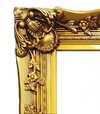
H24-GOLD Kč30
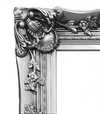
H24-SILVER Kč30
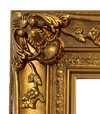
H36-GOLD Kč45

H36-SILVER Kč45
iii.
Technika a materiál
Canvas is printed with giclée inks and can be stretched or framed like a painting; paper comes flat, or framed behind glass.
Skleněná varianta je dostupná pouze u rozměrů menších než 110 cm
iv.
Dokončování
Jmenovné desky, lak a doručení.
Popisek díla
Detaily ryté bronzové plakety
This elegant plaque features the artist's name and the title of the artwork, finely engraved for a timeless presentation.
It is made from bronze with a refined, elegant finish. The text is precisely laser-engraved for a sharp and permanent result. Measuring 9x2 cm, the plaque is compact yet easy to read. It's built to be durable and scratch-resistant, offering a professional, museum-quality look. Mounting is simple thanks to the included adhesive backing.
Detaily průhledné akrylové desky
The plaque includes essential engraved details such as the artist's name, the title of the artwork, the date it was created, the type of media used-like oil on canvas or watercolor-a brief description of the piece, and a QR code that links to the complete artwork information.
It is crafted from clear acrylic, offering a sleek, modern appearance. The text is UV-engraved in black to ensure strong visual contrast. With a size of 10x15 cm, it ensures optimal readability. It comes equipped with two metal hooks for secure wall mounting. The plaque is designed to be weather-resistant, making it suitable for various environments, and it includes interactive features that work seamlessly with smartphone scanning.
Detaily černé akrylové destičky
This elegant plaque includes engraved information such as the artist's name, the title of the artwork, the date it was created, the type of media used (like oil on canvas or watercolor), a short description of the artwork, and a QR code for quick access to more information.
The plaque itself is made from refined black acrylic with a premium finish. The text is laser-engraved in white for high contrast and readability. Its size is 10x15 cm, designed to be easy to read. It comes with two metal hooks for professional mounting. The design is sleek and fits any interior style. It is also weather-resistant and durable, with built-in digital integration for mobile compatibility.
Ochranný lak
Prioritní výroba
Celosvětové doručení () do 2 týdnů namísto standardních 4/5 týdnů. (21 listopad)
- Zdarma celosvětová expresní doprava
- Vysoce kvalitní lněné plátno
- Kompletní pojištění přepravy
- Záruka vrácení celního poplatku
- Záruka věrného barevného souladu
- 100dení lhůta pro vrácení zboží (pouze při vadách výroby)
- 100% záruka vrácení peněz
- Sleva při více objednávkách


Rychlá fakta a umělecký kvíz
Podobná díla


