
 Náhled v interiéru

 Sdílet
 Sdílet
 Podrobnosti o díle
 Průvodce


 Stáhnout
 Podobné položky
 Rentgenové snímky
 Slideshow
 Otázky a odpovědi
 Statistiky
Bodhidarma under Pine Tree

- 101.0 x 51.0cm

 Zobrazit více
Giclée / Umělecký tisk
Giclée nebo plátěný tisk muzeální kvality s rychlou výrobou a širokou nabídkou povrchových úprav. ( Koupit ručně malovaný obraz Přepnout na digitální obraz)
































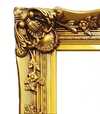
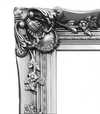
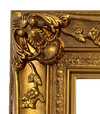
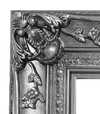
Vyberte si z našich přednastavených velikostí, které odpovídají původním proporcím díla.

Zadejte šířku a výšku, které potřebujete pro váš rám nebo stěnu. Tisk lze pouze oříznout, nikdy však nelze zvětšit obraz nad jeho původní rozměr, proto při výběru jiného formátu dochází ke ztrátě části obrazu. Před samotným tiskem vám zašleme digitální náhled k schválení. Obraz zobrazený na této stránce nenabízí skutečný výřez — ten uvidíte pouze v náhledu.
Celosvětové doručení () do 2 týdnů namísto standardních 4/5 týdnů. (19 listopad)

Zdarma celosvětová expresní doprava

Vysoce kvalitní lněné plátno

Kompletní pojištění přepravy

Záruka vrácení celního poplatku

Záruka věrného barevného souladu

100dení lhůta pro vrácení zboží (pouze při vadách výroby)

100% záruka vrácení peněz

Sleva při více objednávkách
 Skleněná varianta je dostupná pouze u rozměrů menších než 110 cm

Bodhidarma under Pine Tree
Giclée / Umělecký tisk
Rozměry reprodukce
-


Celková cena za vybrané možnosti reprodukcí
Kč 1340
Podobná díla


Biografie umělce
Early Life and Buddhist Training
Born in 1247 in Linhai, Taizhou, Zhejiang, China, Yishan Yining begins his life under the family name Hu. He enters a monastery as a boy, beginning a rigorous period of study into various Buddhist doctrines. His early path follows the Tiantai school, but this focus shifts as he turns toward Chan Buddhism. This transition marks a fundamental change in his spiritual direction.
The training intensifies through a series of tutors. Eventually, Yishan Yining becomes the Dharma heir of Wanji Singmi, who was the fourth lineage holder of Mi'an Xianji. This lineage connects him to a deep tradition of Zen practice. His growing reputation leads him to the Island of Putuoshan, where he serves as the abbot of Puji Monastery.
Mission to and Life in Japan
In 1299, the Yuan government dispatches Yishan Yining to Japan on a diplomatic mission to restore relations with the Bakufu government. The arrival in Kamakura brings immediate tension. The regent Hojo Sadatoki arrests him on charges of spying. This period of detention ends when Sadatoki comes to respect the monk, granting him his freedom. Once released, Yishan Yining integrates into the religious landscape of the Kamakura period, serving within the walls of Kenchō-ji, Engaku-ji, and Jochi-ji.
The focus shifts from Kamakura to the imperial capital. In 1313, the resigned emperor Go-Uda extends an invitation to Kyoto. The request is for Yishan Yining to take the position of abbot at Nanzen-ji, the most influential Zen center of the era. He accepts, moving into the heart of Japanese Zen administration.
Legacy and Literary Influence
Yishan Yining functions as a bridge between the Song dynasty aesthetics of China and the developing culture of Kamakura-period Japan. He does not merely teach Zen; he reshapes the intellectual landscape by introducing the literary forms of the Song to the Japanese monastic community. This movement establishes the foundation for Gozan Bungaku, a distinct literary tradition centered within the Five Mountains temple system. Through his mastery of diverse genres, from the precision of historiography to the fluidity of poetry, he shifts the focus of Japanese monkhood toward a sophisticated literary orientation.
His influence extends deep into the social hierarchy of Japan. He finds a receptive audience among the new militarized nobility, embedding Zen principles within the warrior class. This cultural exchange transforms the monasteries into centers of high learning and artistic production. His teaching reaches beyond the temple walls, shaping the minds of influential figures who will define the next era of Japanese Zen. Among his most significant disciples are Muso Soseki, Sesson Yubai, and Kokan Shiren.
Later Years and Death
By 1306, a physical decline begins to shadow his final years as Yishan Yining suffers from a persistent eye ailment. Despite this affliction, his influence within the religious and political spheres of Japan remains potent. In the tenth month of 1317, even while seventy years old and facing severe illness, he leads a procession to Nanzen-ji Temple. He is accompanied by the ex-Emperor Go-Uda, a fervent admirer who remains by his side during these final months.
The end comes shortly after the imperial visit. Yishan Yining dies on 28 November 1317 at Nanzen-ji Temple. In recognition of his profound impact on the spiritual landscape of the country, the Japanese Imperial Court grants him the posthumous title of the Teacher of State, known as Kokushi.

Yishan Yining
1247 - 1317 , People's Republic of China
Rychlé informace o umělci
- Artists Or Movements Influenced By This Artist:
- Sesson Yubai
- Muso Soseki
- Gozan Bungaku
- Artists Who Influenced This Artist: ['Wanji Singmi']
- Full Name: Yishan Yining
- Nationality: Chinese
- Place Of Birth: Linhai, People's Republic of China
- Date Of Birth: 1247
- Date Of Death: 1317
Související články

Helen Hyde: Narrative & Symbolism in Contemporary Botanical Illustration
Explore the captivating world of Helen Hyde (1868-1919), a pioneering American artist renowned for her exquisite Japanese woodblock prints and evocative botanical illustrations. Discover her legacy & symbolism.