
 Náhled v interiéru

 Sdílet
 Sdílet
 Podrobnosti o díle
 Průvodce


 Stáhnout
 Podobné položky
 Rentgenové snímky
 Slideshow
 Otázky a odpovědi
 Statistiky
Composición (Composition)

- 89.0 x 116.0cm


 Zobrazit více
Umělecké dílo zobrazené na této stránce je chráněno autorským zákonem, což znamená, že nemůžeme legálně vytvářet ani prodávat jeho identickou reprodukci. Tato ochrana je vymáhána na základě mezinárodních dohod, jako například Berberská úmluva a národními zákony, včetně těch stanovených v Americký autorský zákon – Díl 17. Všechna práva vyhrazena.
Tato metoda je plně v souladu s autorským právem, protože nezahrnuje kopírování ani duplikování chráněného díla. Jde o kreativní reinterpretaci – nový obraz, který je inspirován originálem, ale není s ním identický.
Giclée / Umělecký tisk
Giclée nebo plátěný tisk muzeální kvality s rychlou výrobou a širokou nabídkou povrchových úprav. ( Koupit ručně malovaný obraz Přepnout na digitální obraz)
































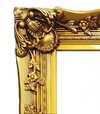
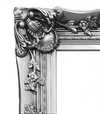
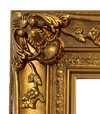

Vyberte si z našich přednastavených velikostí, které odpovídají původním proporcím díla.

Zadejte šířku a výšku, které potřebujete pro váš rám nebo stěnu. Tisk lze pouze oříznout, nikdy však nelze zvětšit obraz nad jeho původní rozměr, proto při výběru jiného formátu dochází ke ztrátě části obrazu. Před samotným tiskem vám zašleme digitální náhled k schválení. Obraz zobrazený na této stránce nenabízí skutečný výřez — ten uvidíte pouze v náhledu.
Celosvětové doručení () do 2 týdnů namísto standardních 4/5 týdnů. (20 listopad)

Zdarma celosvětová expresní doprava

Vysoce kvalitní lněné plátno

Kompletní pojištění přepravy

Záruka vrácení celního poplatku

Záruka věrného barevného souladu

100dení lhůta pro vrácení zboží (pouze při vadách výroby)

100% záruka vrácení peněz

Sleva při více objednávkách
 Skleněná varianta je dostupná pouze u rozměrů menších než 110 cm

Composición (Composition)
Giclée / Umělecký tisk
Rozměry reprodukce
-


Celková cena za vybrané možnosti reprodukcí
Kč 1342
Podobná díla


Biografie umělce
Early Life and Artistic Training
Antonio Suárez enters the scene in Gijón, Spain, born on January 26, 1923. His early professional life begins not with a brush, but with the precision of a draftsman. He finds his footing within the architectural studio of Antonio Álvarez-Hevia, a setting where the structural logic of design meets the nascent instincts of a visual creator. This period of technical discipline provides the foundation for his later explorations of form.
The trajectory shifts as he moves toward Madrid. In these formative years, the studio becomes a shared space of creative friction and companionship. He works alongside Joaquín Rubio Camín, sharing an atelier that serves as a crucible for his developing vision. This period of shared practice marks the transition from the rigid lines of architectural drafting toward the expressive possibilities of painting.
Movements and Artistic Style
The shift toward abstraction arrives through the founding of the El Paso group. This period marks a departure from traditional models, defined by a heavy, informalist approach. The canvases from this stage lean into dark tones and restrained palettes. Surfaces appear dense and heavily worked, prioritizing the physical presence of matter and texture over mere representation. There is a constant tension between a figurative base and an increasingly abstract appearance.
As the years progress, the visual language undergoes a chromatic transformation. The darkness of the El Paso years recedes, replaced by a preference for light and soft colors. The focus shifts toward a delicate balance between light, composition, and the expressive possibilities of the medium. Even as the forms become less literal, the work maintains an emotional, internalized discourse rooted in the principles of informalism.
- Composición (1957)
Exhibitions and International Presence
The transition from local practice to international recognition accelerates in the early 1950s. After presenting his first abstract exhibition in Madrid in 1950, Suárez moves toward the center of the European avant-garde. He spends the years between 1950 and 1953 working in Paris, a period that marks his immersion into the broader currents of modernism. This exposure shifts his trajectory away from his earlier figurative foundations toward the textured, informalist language that would define his career.
His presence expands beyond the European continent. In 1963, he holds a solo exhibition in New York, bringing his specific approach to matter and light to an American audience. This period of visibility continues through his selection for major global stages. His work is featured in the Venice Biennale and the Sao Paulo Biennale, cementing his status within the international discourse of 20th-century abstraction.
Museum Collections and Legacy
The physical presence of Antonio Suárez’s work persists within major institutional frameworks across Spain and abroad. His canvases occupy space in the Museo Nacional Centro de Arte Reina Sofía, where his contributions to the evolution of Spanish abstraction are held. In his home region, the Museo de Bellas Artes de Asturias maintains his works within its permanent holdings. His influence extends to specialized institutions like the Museo de Arte Abstracto de Cuenca, ensuring his place in the history of the movement.
The reach of his practice crosses oceans and borders. His paintings are integrated into the collections of museums in San Francisco and Austin in the United States. In Europe, his work is held in Leverkusen and Bilbao. These international placements confirm his status as a central figure in the transformation of pictorial language during the second half of the 20th century. His legacy remains anchored in these diverse collections, from the academic halls of Spain to the modern galleries of the United States and Germany.

Antonio Suárez
1923 - 2013 , Spain
Rychlé informace o umělci
- Artistic Movement Or Style: Informalism, Abstract painting
- Artists Or Movements Influenced By This Artist: ['El Paso group']
- Artists Who Influenced This Artist: ['Valle y Piñole']
- Full Name: Antonio Suárez
- Nationality: Spanish
- Notable Artworks: ['Composición']
- Place Of Birth: Gijón, Spain
- Date Of Birth: 1923
- Date Of Death: 2013