
 Náhled v interiéru

 Sdílet
 Sdílet
 Podrobnosti o díle
 Průvodce


 Stáhnout
 Podobné položky
 Rentgenové snímky
 Slideshow
 Otázky a odpovědi
 Statistiky
Harbor Scene

 Zobrazit více
Giclée / Umělecký tisk
Giclée nebo plátěný tisk muzeální kvality s rychlou výrobou a širokou nabídkou povrchových úprav. ( Koupit ručně malovaný obraz Přepnout na digitální obraz)
































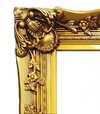
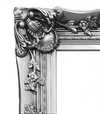
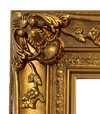

Vyberte si z našich přednastavených velikostí, které odpovídají původním proporcím díla.

Zadejte šířku a výšku, které potřebujete pro váš rám nebo stěnu. Tisk lze pouze oříznout, nikdy však nelze zvětšit obraz nad jeho původní rozměr, proto při výběru jiného formátu dochází ke ztrátě části obrazu. Před samotným tiskem vám zašleme digitální náhled k schválení. Obraz zobrazený na této stránce nenabízí skutečný výřez — ten uvidíte pouze v náhledu.
Celosvětové doručení () do 2 týdnů namísto standardních 4/5 týdnů. (17 listopad)

Zdarma celosvětová expresní doprava

Vysoce kvalitní lněné plátno

Kompletní pojištění přepravy

Záruka vrácení celního poplatku

Záruka věrného barevného souladu

100dení lhůta pro vrácení zboží (pouze při vadách výroby)

100% záruka vrácení peněz

Sleva při více objednávkách
 Skleněná varianta je dostupná pouze u rozměrů menších než 110 cm

Harbor Scene
Giclée / Umělecký tisk
Rozměry reprodukce
-


Celková cena za vybrané možnosti reprodukcí
Kč 1344
Podobná díla


Biografie umělce
Early Life, Family and Training
Ferdinand Boberg was born in 1860 in Falun, Sweden. His early years in the province of Dalarna provided the foundation for a life spent shaping the physical landscape of the country. He eventually moved to Stockholm to pursue his studies, seeking to understand the technical and aesthetic complexities of building. He spent his formative years at the Royal Institute of Technology, gaining the practical knowledge required for a career in architecture. To complement this technical training, he also attended the Royal Swedish Academy of Fine Arts in Stockholm, where he refined his eye for design and form.
In 1888, Ferdinand Boberg married the artist Anna Boberg. Their partnership would become a significant part of his life, as they shared a deep interest in art and the landscapes of Sweden. This connection to a fellow artist meant that his personal life and his professional interests were closely intertwined from an early stage. Together, they would eventually spend much of their time traveling through the Swedish countryside, documenting the very environments that had helped shape his early understanding of the world.
Architectural Career and Key Works
Boberg became a central figure in the shaping of Stockholm's skyline during a period of rapid urban change. His reputation grew through large-scale international projects, such as serving as the chief architect for the 1897 Stockholm Exposition. He brought this expertise to the global stage when he designed the Swedish Pavilion for the 1900 Exposition Universelle in Paris. These early successes established him as a designer capable of handling both the grand scale of public exhibitions and the intricate needs of a modernizing city.
His work often blended functional necessity with a distinct sense of form. He designed the Central Post Office building in 1903, a structure that remains a significant part of the city's fabric. He also applied his vision to industrial and civic buildings, such as the electrical plant at Björns Trädgård, which has since been converted into the Stockholm Mosque. Even the more utilitarian aspects of urban life were part of his practice, as seen in his design for the Nordiska Kompaniet department store in 1912.
As his career progressed, his influence touched the very heart of Swedish governance and commerce. He was responsible for the design of Rosenbad, the building that now houses the offices of the Prime Minister. His ability to navigate different architectural languages allowed him to move between the massive presence of public institutions and the more intimate requirements of private spaces. His legacy is visible in the way the city's streets and landmarks have evolved alongside his designs.
Later Years and Artistic Documentation
After retiring from his architectural practice in 1915, Boberg turned his attention toward a different kind of preservation. He and his wife, the artist Anna Boberg, began traveling across Sweden together. Their goal was to document the country's changing landscape and the architectural history that was beginning to fade under the pressure of rapid modernization. They moved through rural villages and urban neighborhoods, seeking to capture the essence of the places they encountered.
During these travels, Boberg produced more than 3,000 pencil sketches. These works, which included charcoal drawings, focused on churches, cottages, manors, and city streets. From this vast collection of sketches, he selected around 1,000 drawings to be published in a volume titled Svenska bilder (Swedish Images). These drawings provide a detailed visual record of the buildings and environments that defined early twentieth-century Sweden.
Boberg remained active in his pursuits until his death in Stockholm in 1946. He was 86 years old at the time. He left behind a significant body of work that serves as a visual archive of the Swedish landscape and architecture he spent his later years documenting.

Ferdinand Boberg
1860 - 1946 , Sweden
Rychlé informace o umělci
- Artists Who Influenced This Artist: ['Helgo Zettervall']
- Full Name: Gustaf Ferdinand Boberg
- Nationality: Swedish
- Notable Artworks:
- The Scrap Heap at Galärvarvet in Stockholm
- The Torpedo Boat Slipway at Galärvarvet
- Harbor Scene
- Place Of Birth: Falu Kristine church parish, Sweden
- Date Of Birth: 1860
- Date Of Death: 1946