


 Náhled v interiéru

 Sdílet
 Sdílet
 Podrobnosti o díle
 Průvodce


 Stáhnout
 Podobné položky
 Rentgenové snímky
 Slideshow
 Otázky a odpovědi
 Statistiky
Pohlédněte blíž
Každý detail, ručně malováno
Tři detaily obrazu v zvětšení. Naši umělci je ručně reprodukují ve vámi zvolené velikosti.
i.
Srdce scény.
ii.
Světlo a pozadí
iii.
Tahy štětcem.
Obraz
Popis sbírného předmětu
Objevte obraz Johna Cromy 'Plowman', ikonický díl Norwich School. Zachycený detailně anglickou venkovskou krajinu, symbol tvrdé práce a spojení s přírodou.
 Zobrazit více
Biografie umělce
Mistrovské dílo Johna Constabla zachycující krásu anglického venkova – lod přepravující západní věž. Romantická atmosféra, dramatické mračna a pozoruhodné světelné efekty v této ikonické obrazovce.
John Crome’s “The Ploughman”: A Window into Norfolk’s Soul
John Crome’s “The Ploughman,” painted around 1800, isn't merely a depiction of rural labor; it’s a deeply evocative portrait of the East Anglian landscape and the enduring spirit of its people. This remarkable work, now housed in private collection, offers a rare glimpse into a vanishing world – a time when agriculture dictated life, and the rhythms of nature were inextricably linked to human existence. Crome's skill lies not just in his technical mastery but in his ability to capture the very essence of Norfolk’s character, its rugged beauty, and the quiet dignity of those who worked the land.
The painting immediately draws you into a scene of profound stillness. The central figure – a solitary ploughman – is rendered with an almost heartbreaking realism. He isn't presented as a heroic symbol; instead, he embodies tireless effort, weathered by sun and toil, deeply connected to the soil beneath his feet. Notice the subtle slump of his shoulders, the weariness in his gaze – these details speak volumes about the demanding nature of rural life and the sacrifices made by generations who depended on it.
A Masterclass in the Norwich School Style
“The Ploughman” is a quintessential example of the Norwich School’s distinctive approach to landscape painting. Unlike many of its contemporaries, who favored idealized or fantastical scenes, Crome presents a brutally honest portrayal of East Anglian farmland. The terrain isn't smoothed and softened; it’s rough, uneven, and undeniably challenging – reflecting the harsh realities of the environment. This realism is further enhanced by his masterful use of color, dominated by earthy tones of browns, greens, and greys, punctuated by flashes of brighter hues in the sky and clothing.
Crome's technique is particularly noteworthy. He employed a layered approach, building up the image through countless thin glazes of oil paint – a hallmark of the Norwich School’s meticulous process. This painstaking layering allowed him to achieve remarkable tonal variations, capturing the subtle shifts in light and shadow on the figures and the landscape with astonishing accuracy. The brushwork is loose yet controlled, conveying both the texture of the plowed earth and the movement of the horses pulling the plough.
Symbolism Rooted in a Changing World
Beyond its aesthetic qualities, “The Ploughman” carries significant symbolic weight. Painted around 1800, during a period of rapid social and economic change in Britain – the rise of industrialization threatening traditional ways of life – Crome’s work can be interpreted as a quiet lament for a disappearing world. The solitary figure represents not just agricultural labor but also a connection to the land that was increasingly under threat. The vastness of the landscape emphasizes the individual's vulnerability against the forces of nature and societal transformation.
Furthermore, the painting subtly speaks to concerns about social inequality – the dignity of manual work versus the emerging wealth generated by industry. It’s a poignant reminder of a time when community and self-sufficiency were paramount values. The image is imbued with a sense of melancholy, reflecting both the beauty and the hardship of rural life.
A Legacy of Observation and Emotion
Ultimately, “The Ploughman” transcends its status as a simple landscape painting; it’s a powerful meditation on humanity's relationship with nature, the value of hard work, and the passage of time. Crome’s ability to capture not just the physical appearance of the scene but also its emotional essence ensures that this work continues to resonate with viewers today. It stands as a testament to his artistic skill, his profound understanding of human experience, and his enduring legacy within the Norwich School – a timeless image of rural life imbued with both beauty and poignant reflection.
Otázky a odpovědi
Jakým způsobem barvy díla „Plowman“ od John Crome navazují na jeho emoce?
„Plowman“ od John Crome kombinuje paletu Neutrální tóny s Poklidný tónem.
Kde si mohu koupit ručně malovanou reprodukci díla „Plowman“ od John Crome?
„Plowman“ je dostupná jako ručně malovaná olejová reprodukce na lněném plátně. Objednávku můžete zadat na její stránce Ručně malovaná reprodukce, kde si můžete vybrat z různých rozměrů.
Jak mohu objevit umělecká díla podobná dílu „Plowman“ od John Crome?
Další díla podobná dílu „Plowman“ od John Crome najdete na stránce Podobná díla.

John Crome
1768 - 1821, Spojené království
Malíř
Biografie umělce
John Crome (1768–1821): Norfolk Son, Pioneer of Romantic Landscape
John Crome, affectionately known as “Old Crome” to distinguish him from his artist son, stands as a pivotal figure in British art history—a founder and leading light of the celebrated Norwich School. Born in Norwich, United Kingdom (1768), Crome’s journey was one of remarkable self-education and dedication, rising from humble beginnings to become a respected landscape painter who captured the very essence of his beloved East Anglian countryside. His father, a weaver, instilled a strong work ethic, but it was an apprenticeship with house, coach, and sign painter Francis Whisler that first nurtured Crome’s artistic inclinations, providing him with foundational skills in design and color. This practical training proved invaluable as he began to explore his passion for depicting the natural world around him. A formative friendship with Robert Ladbrooke, a fellow aspiring artist, further fueled his development; together they sketched en plein air, honing their observational abilities and sharing a burgeoning enthusiasm for art.Early Influences and Artistic Training
Crome’s artistic education began modestly, yet it proved profoundly influential. His apprenticeship under Whisler instilled discipline and technical proficiency—skills that would serve him well throughout his career. Crucially, he encountered Thomas Harvey of Old Catton, whose expansive art collection exposed him to the masterpieces of Gainsborough and Hobbema. These artists became models for composition, light, and atmosphere, shaping Crome’s artistic sensibilities from an early age. Furthermore, Sir William Beechey and John Opie offered invaluable guidance within the broader artistic community, cementing his connection to established traditions and fostering a collaborative spirit. It was this confluence of influences that laid the groundwork for Crome's distinctive style—a style characterized by meticulous detail and a palpable sense of place.The Birth of the Norwich School
In 1803, John Crome achieved artistic renown by co-founding the Norwich Society of Artists with Robert Ladbrooke. This bold initiative marked the formal commencement of the Norwich School—a groundbreaking movement that championed direct observation of nature and sought to portray the Norfolk landscape in a manner radically different from prevailing trends originating in London. Rejecting academic conventions, the Norwich School artists prioritized capturing the immediacy of experience, prioritizing tonal harmonies and atmospheric perspective. Crome’s leadership within the society solidified his position as a visionary innovator—a figure who recognized the potential for artistic expression rooted in authentic engagement with one's surroundings. He wasn’t merely painting landscapes; he was conveying a profound appreciation for the beauty and character of Norfolk.A Painter's Vision: Style and Technique
Crome’s artistic style is instantly recognizable—marked by loose brushwork, subtle gradations of tone, and an unwavering commitment to capturing the nuances of light and color. He meticulously studied plant life, accurately depicting tree species with unprecedented precision—a testament to his keen botanical eye and dedication to scientific observation. Unlike many of his contemporaries who relied on idealized representations, Crome embraced imperfection, allowing for textural variations and atmospheric haze that conveyed a sense of realism. His canvases pulsate with vitality, reflecting the dynamism of Norfolk’s seasons and conveying an emotional resonance that transcends mere visual depiction. He skillfully employed watercolor and oil mediums, blending them harmoniously to achieve breathtaking effects—a testament to his mastery of technique and artistic vision.Legacy and Enduring Influence
John Crome's contribution extended far beyond his prolific output of paintings. The Norwich School he spearheaded fostered a distinct regional artistic identity, nurturing generations of painters who followed in his footsteps. Despite initial skepticism from the London art establishment—a reaction fueled by stylistic differences—Crome gained national recognition through thirteen exhibitions at the Royal Academy between 1806 and 1818. His etchings, though unpublished during his lifetime, revealed another facet of his talent—demonstrating a versatility that cemented his place as one of Britain’s most celebrated landscape artists. A posthumous exhibition showcasing over 100 of his works underscored the esteem in which he was held by his peers and solidified his enduring legacy. Today, Crome's paintings continue to inspire admiration for their quiet beauty, evocative atmosphere, and unwavering connection to the heart of Norfolk—a testament to a life dedicated to artistic excellence and a profound appreciation for the natural world.Rychlé informace o umělci John Crome
- Artistic Movement Or Style: Norwich School
- Artists Or Movements Influenced By This Artist: ['Dutch Masters']
- Artists Who Influenced This Artist:
- Hobbema
- Wilson
- Date Of Birth: 1768
- Date Of Death: 1821
- Full Name: John Crome
- Nationality: Anglický
- Notable Artworks:
- Lime Kiln
- Grove Scene
- Mousehold Heath
- Place Of Birth: Norwich, UK
Ručně malovaná olejová reprodukce
Nechte si namalovat pro vás
Ručně malovaná olejová reprodukce
Rukou malované olejné plátno v libovolném rozměru i s rámem, vyrobené našimi umělci na zakázku. ( Přepnout na tisk Přepnout na digitální obraz)

Vaše provize

Plowman
Technika reprodukce
Rozměry reprodukce
-

Vybraní mistři umění
Vyšší míra detailu, jemnosti a delší doba výroby
-

Možnosti rámování reprodukcí
-
-
U děl nebo reprodukcí, u nichž je jakákoliv strana větší než 105 cm (přibližně 41 palců), bude rám dodán jako sestava v rozloženém stavu. Tato metoda zajišťuje bezpečné doručení a chrání dílo před poškozením během přepravy.
Vyžaduje se odborná montáž – nejedná se o produkt pro svépomocnou realizaci (DIY).
Sestava musí být složena a plátno napnuto zkušeným profesionálním rámovačem s použitím dřevěného lepidla (není součástí balení), kleští na napínání plátna a svorek pro udržení pravých úhlů křížů během schnutí lepidla. Nesprávná montáž nebo nerovnoměrné napnutí plátna může způsobit trvalé poškození uměleckého díla, které není kryto naší zárukou.
 U děl nebo reprodukcí, u nichž je jakákoliv strana větší než 105 cm (přibližně 41 palců), bude rám dodán jako sestava v rozloženém stavu. Tato metoda zajišťuje bezpečné doručení a chrání dílo před poškozením během přepravy.
Jsou zahrnuty všechny lišty z masivního dřeva, přesně na míru nařezané.
Sestavuje se pomocí součástí balení (šroubů), plus dřevěného lepidla na rohové spoje, které není součástí balení a musí jej zajistit váš rámovač.
Vyžaduje se profesionální nářadí, které není součástí sady: kleště na napínání plátna a svorky pro udržení kolmosti příček během schnutí lepidla.
Důležité:
Spoje v rozích vyžadují lepidlo na dřevo, tyčinky musí být přichyceny pomocí svorek, dokud lepidlo zcela neuschne, a pro napnutí plátna na sestavený rám je zapotřebí kleští na natahování plátna. Žádný z těchto náčiní není součástí sady. Před objednáním této velikosti prosím zajistěte zkušeného profesionálního rámovače.

Popisek díla
-
-

Ochranný lak
Lesklý lak (zvýrazňuje barvy, chrání před světlem a vlhkostí)
-

Přizpůsobit své umělecké dílo
Příklady možných úprav: nahrazení obličeje fotografií zákazníka; přidání domácího mazlíčka (např. výměna kočky za psa); vložení skrytého vzkazu do pozadí; změna krajiny nebo prvků v pozadí.
-

Prioritní doručení
Celosvětové doručení () za 3–4 týdny namísto standardních 5 týdnů. (18 listopad). Bez kompromisů v kvalitě.
-
Expresní doručení
Celosvětová doprava () do 5 týdnů. (25 listopad).
V ceně
Celková cena za vybrané možnosti reprodukcí
Kč 5750
Skleněná varianta je dostupná pouze u rozměrů menších než 110 cm
i.
Měřítko
Přibližte si k sobě svou stěnu: každá velikost zachovává proporce originálu.
Vyberte si z našich přednastavených velikostí, které odpovídají původním proporcím díla.

Zadejte šířku a výšku, které potřebujete pro váš rám nebo stěnu. Protože se jedná o ruční malbu, při výběru jiného formátu může umělec kolem obrazu domalovat o něco více, nebo jej mírně oříznout — rozhodnete si vy. Před zahájením malby vám zašleme digitální náhled ke schválení. Obraz zobrazený na této stránce neodpovídá skutečnému výsledku — pouze digitální náhled jej zobrazuje.
ii.
Rám
Rám je na malbě vykreslen v jeho skutečné šířce.
V rámu

Bílé okraje Kč1

Rozostřené okraje Kč1

Prodloužené okraje Kč1

P118B Kč10

P118H Kč10

P118W Kč10

P438Z Kč10

P508JH Kč12

P508YH Kč12

P805H Kč10

P805Z Kč10

P919BZ Kč10

P919G Kč10

P919XJ Kč10

P959ZH Kč10

P968JZ Kč12

W106C Kč8

W218G Kč10

W218JH Kč8

W218Y Kč10

W307PJ Kč10

W316G Kč10

W316PJ Kč8

W316Y Kč10

W398PJ Kč8

W4111J Kč10

W500HY Kč15

W500JH Kč15

W692G Kč12

W849H Kč8

W940BG Kč15

W953PJ Kč8
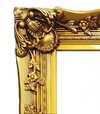
H24-GOLD Kč30
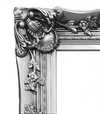
H24-SILVER Kč30
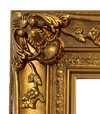
H36-GOLD Kč45

H36-SILVER Kč45
iii.
Vlastněte tímto dílem
Ručně malovaný obraz lze vytvořit na zakázku pro jednoho člověka.
Po přijetí objednávky vám tým WikiOO.org pošle e-mail s instrukcemi a poskytne náhled návrhu
iv.
Dokončování
Jmenovné desky, lak a doručení.
Popisek díla
Detaily ryté bronzové plakety
This elegant plaque features the artist's name and the title of the artwork, finely engraved for a timeless presentation.
It is made from bronze with a refined, elegant finish. The text is precisely laser-engraved for a sharp and permanent result. Measuring 9x2 cm, the plaque is compact yet easy to read. It's built to be durable and scratch-resistant, offering a professional, museum-quality look. Mounting is simple thanks to the included adhesive backing.
Detaily průhledné akrylové desky
The plaque includes essential engraved details such as the artist's name, the title of the artwork, the date it was created, the type of media used-like oil on canvas or watercolor-a brief description of the piece, and a QR code that links to the complete artwork information.
It is crafted from clear acrylic, offering a sleek, modern appearance. The text is UV-engraved in black to ensure strong visual contrast. With a size of 10x15 cm, it ensures optimal readability. It comes equipped with two metal hooks for secure wall mounting. The plaque is designed to be weather-resistant, making it suitable for various environments, and it includes interactive features that work seamlessly with smartphone scanning.
Detaily černé akrylové destičky
This elegant plaque includes engraved information such as the artist's name, the title of the artwork, the date it was created, the type of media used (like oil on canvas or watercolor), a short description of the artwork, and a QR code for quick access to more information.
The plaque itself is made from refined black acrylic with a premium finish. The text is laser-engraved in white for high contrast and readability. Its size is 10x15 cm, designed to be easy to read. It comes with two metal hooks for professional mounting. The design is sleek and fits any interior style. It is also weather-resistant and durable, with built-in digital integration for mobile compatibility.
Ochranný lak
Prioritní výroba
Celosvětová doprava () za 3–4 týdny namísto standardních 5 týdnů. (18 listopad). Bez kompromisů v kvalitě.
- Zdarma celosvětová expresní doprava
- Vysoce kvalitní lněné plátno
- Kompletní pojištění přepravy
- Záruka vrácení celního poplatku
- Záruka věrného barevného souladu
- 100dení lhůta pro vrácení zboží (pouze při vadách výroby)
- 100% záruka vrácení peněz
- Sleva při více objednávkách


Rychlá fakta a umělecký kvíz
Související články

Cultivating Visions: Rural Life & Social Commentary in Art History
Explore the rich history of rural life in art! Discover masterpieces from Dutch Masters to Van Gogh & Courbet. Uncover artistic movements, social significance & expert collecting insights at WikiOO.

Romantic Realism's Finest: 10 Masterpieces for Your Home | WikiOO
Explore 10 defining masterpieces of Romantic Realism! Discover Courbet, Millet & Daumier's powerful paintings—capturing emotion and social realities. Find museum-quality reproductions for your home at WikiOO.org.

John Constable: Nature, Light & the Romantic Vision of Rural England
Explore the life & art of John Constable, the Romantic painter who revolutionized landscape with emotive scenes of rural England. Discover his techniques, legacy, and key works – perfect for collectors & enthusiasts.

Bovines in Brushstrokes: Capturing the Peaceful Spirit of Pastoral Art
Explore the mastery of pastoral art through Munnings and Cole. Discover the soul of the landscape today.
Podobná díla


