

 Zobrazit v interiéru
 Odeslat
 Sdílet
 Podrobnosti
 Průvodce

 Stáhnout obrázek
 Podobné kousky
 Rentgenové snímky
 Slideshow
 Statistiky
Ohne Titel

 Přečíst si více
Umělecké dílo zobrazené na této stránce je chráněno autorským zákonem, což znamená, že nemůžeme legálně vytvářet ani prodávat jeho identickou reprodukci. Tato ochrana je vymáhána na základě mezinárodních dohod, jako například Berberská úmluva a národními zákony, včetně těch stanovených v Americký autorský zákon – Díl 17. Všechna práva vyhrazena.
Tato metoda je plně v souladu s autorským právem, protože nezahrnuje kopírování ani duplikování chráněného díla. Jde o kreativní reinterpretaci – nový obraz, který je inspirován originálem, ale není s ním identický.
Giclée / Umělecký tisk
Giclée nebo plátěný tisk muzeální kvality s rychlou výrobou a širokou nabídkou povrchových úprav. ( Objednat ručně malovanou reprodukci Přepnout na digitální verzi obrazu)




P118B Kč10

P118H Kč10

P118W Kč10

P438Z Kč10

P508JH Kč12

P508YH Kč12

P805H Kč10

P805Z Kč10

P919BZ Kč10

P919G Kč10

P919XJ Kč10

P959ZH Kč10

P968JZ Kč12

W106C Kč8

W218G Kč10

W218JH Kč8

W218Y Kč10

W307PJ Kč10

W316G Kč10

W316PJ Kč8

W316Y Kč10

W398PJ Kč8

W4111J Kč10

W500HY Kč15

W500JH Kč15

W692G Kč12

W849H Kč8

W940BG Kč15

W953PJ Kč8




Vyberte si z našich přednastavených velikostí, které odpovídají původním proporcím díla.

Zadejte šířku a výšku, které potřebujete pro váš rám nebo stěnu. Tisk lze pouze oříznout, nikdy však nelze zvětšit obraz nad jeho původní rozměr, proto při výběru jiného formátu dochází ke ztrátě části obrazu. Před samotným tiskem vám zašleme digitální náhled k schválení. Obraz zobrazený na této stránce nenabízí skutečný výřez — ten uvidíte pouze v náhledu.
Celosvětové doručení () do 2 týdnů namísto standardních 4/5 týdnů. (22 říjen)

Zdarma celosvětová expresní doprava

Vysoce kvalitní lněné plátno

Úplné pojištění přepravy

Záruka vrácení celního poplatku

Záruka věrného barevného shodu

100dení lhůta pro vrácení zboží (pouze při vadách výroby)

100% garance vrácení peněz

Sleva při více objednávkách
 Skleněná varianta je dostupná pouze u rozměrů menších než 110 cm

Ohne Titel
Giclée / Umělecký tisk
Velikost reprodukce
-


Celková cena
Kč 1306
A Surrealist Echo: Unpacking Max Ernst’s “Ohne Titel”
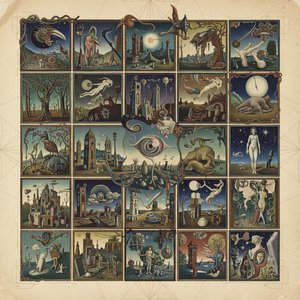
Max Ernst's "Ohne Titel" – often referred to as "Personnages or Le Chapeau Rouge" – isn’t merely a painting; it’s an invitation into the labyrinthine depths of the subconscious. Created in 1949, this remarkable etching and aquatint, rendered in vibrant color on Japanese paper, embodies the core tenets of Surrealism while simultaneously hinting at the artist's lifelong fascination with chance, memory, and the evocative power of imagery. It’s a piece that rewards repeated viewing, revealing new layers of meaning with each encounter. Ernst, born in Brühl, Germany, in 1891, was a restless spirit who rejected conventional artistic paths, forging his own unique trajectory through experimentation and intellectual exploration – a path deeply intertwined with the burgeoning Surrealist movement. His early years were marked by a rejection of academic art, leading him to embrace Dadaism before ultimately finding resonance within the more psychologically-oriented Surrealism championed by André Breton.The Alchemy of Chance: Technique and Process
At first glance, “Ohne Titel” appears chaotic – a swirling vortex of greens, reds, yellows, and blacks colliding across the page. However, this apparent disorder is meticulously orchestrated. Ernst employed a technique he termed "collage," layering aquatint and etching plates to create a complex matrix of tonal variations. The process involved applying ink to the plate, then covering it with wax before exposing it to light through a photographic negative. This created areas of varying density, which would subsequently be etched – resulting in the final image. Crucially, Ernst embraced chance within this controlled system. He often left portions of the plate unworked, allowing the etching process itself to introduce unexpected textures and patterns. The result is a mesmerizing interplay between deliberate design and serendipitous discovery—a testament to Ernst’s belief that true creativity arises from the collision of intention and accident. The use of Japanese paper adds an element of subtle elegance and texture, further enhancing the artwork's visual richness.Symbolic Landscapes: Unveiling Hidden Meanings
While devoid of recognizable figures or objects, “Ohne Titel” is profoundly symbolic. The dominant greens evoke a sense of primal nature, hinting at both fertility and decay – a recurring motif in Ernst’s work. The vibrant reds and yellows suggest energy, passion, and perhaps even danger. The fragmented forms, resembling distorted human shapes or abstract landscapes, are deliberately ambiguous, inviting the viewer to project their own experiences and emotions onto the scene. Some art historians interpret these figures as echoes of childhood memories, while others see them as representations of the anxieties and uncertainties of a rapidly changing world. The title itself – “Ohne Titel” – underscores the artwork’s inherent openness, suggesting that its meaning is not fixed but rather emerges from the interaction between the viewer and the image. The inclusion of "Personnages or Le Chapeau Rouge" hints at both human figures and a flamboyant hat, adding another layer of visual intrigue.A Window into the Unconscious: Context and Legacy
“Ohne Titel” was created during a period of intense artistic experimentation and intellectual ferment – the aftermath of World War II and the rise of Cold War anxieties. Surrealism, with its emphasis on dreams, irrationality, and the exploration of the unconscious mind, provided a powerful framework for grappling with these turbulent times. Ernst’s work reflects this broader cultural context, offering a glimpse into the psychological landscape of a generation struggling to make sense of a world shattered by violence and uncertainty. His innovative techniques – including frottage (rubbing textures onto paper) and decalcomania (transferring ink from one surface to another) – became hallmarks of Surrealist art, influencing countless artists who followed in his footsteps. “Ohne Titel” stands as a prime example of Ernst’s enduring legacy—a testament to the power of imagination and the transformative potential of artistic experimentation.A Timeless Resonance: Emotional Impact and Aesthetic Appeal
Ultimately, "Ohne Titel" transcends its technical complexities to offer a deeply resonant emotional experience. The swirling colors, fragmented forms, and ambiguous imagery create a sense of unease, mystery, and profound beauty. It’s a piece that lingers in the mind long after it has been viewed, prompting reflection on themes of memory, identity, and the nature of reality. Its vibrant palette and intricate textures make it equally captivating as a standalone artwork or as part of a carefully curated interior design scheme. The work's inherent ambiguity ensures its continued relevance, inviting viewers to engage with it on a personal level and discover their own unique interpretations. It’s a powerful reminder that art can be both intellectually stimulating and emotionally evocative—a true testament to the genius of Max Ernst.Otázky a odpovědi
Kde si mohu koupit digitální kopii díla „Ohne Titel“ od Max Ernst?
Chcete-li získat digitální kopii díla „Ohne Titel“ od Max Ernst, objednejte si stažení digitálního obrazu ve vysokém rozlišení na jeho stránce Digitální obraz.
Je pro dílo „Ohne Titel“ k dispozici stažení?
Obraz díla „Ohne Titel“ od Max Ernst si můžete stáhnout na stránce s k dispozici pro stažení Stáhnout: stažení digitálního obrazu ve vysokém rozlišení.
Jaké emoce vyjadřuje dílo Surrealism s názvem „Ohne Titel"?
„Ohne Titel“ nese Mysterious emocionální nádech v rámci směru Surrealism.
Související díla


Biografie umělce
A Life Immersed in the Surreal
Max Ernst, narozený Maximilian Maria Ernst 1. dubna 1891 v Brühl u Kolína nad Rýnem, byl duchem volným a předurčeným k tomu, aby se stal jednou z klíčových postav 20. století ve světě umění. Jeho cesta nebyla cestou konvenčního uměleckého vzdělávání; spíše to byla sebevlastní průzkum poháněný filozofickou zvědavostí, psychologickým zájmem a hlubokým zklamáním z společenských norem. Jeho otec, učitel neslyšících a amatérský malíř, v něm zanechal jak citlivost k světu, tak rebélie proti zavedenému řádu. Tato raná duality se stala definující vlastností jeho umělecké vize.
Ernstovy akademické úsilí na Univerzitě v Bonnu – zahrnující filozofii, dějiny umění, literaturu, psychologii a psychiatrii – nebyly pouhými odbočkami, ale hluboce informovaly jeho pozdější tvorbu. Nebyl jen zájem o *jak* malovat; zkoumal *proč*. Tato intelektuální zvědavost ho vedla k setkání s průkopnickými díly Picassa, Van Gogha a Paula Gaugna na výstavě Sonderbund v Kolíně v roce 1912 – okamžik, který neodvratně změnil jeho uměleckou dráhu. Semena modernismu byla zasadena.
Dada’s Disruption and the Birth of Surrealist Visions
Rozhořčení první světové války se ukázalo jako milník pro Ernsta. Jeho zkušenosti jako vojáka na východní i západní frontě ho hluboce otřásly, což vedlo k hluboké nedůvěře k zavedenému řádu a touze po nových formách vyjádření. Toto zklamání našlo útočiště v rozvíjejícím se dadaismu, kterému se pevně zavázal poté, co se vrátil do Kolína v roce 1918. Vedle Hana Arpa – věrného přítele a spolupracovníka – se Ernst stal klíčovou postavou kolínské Dada skupiny, odmítl tradiční umělecké konvence a přijmul absurditu, náhodu a protiracionálnost.
Dada však byla jen mezikrok. V počátcích 20. let se Ernst přesunul do Paříže a připojil se k Surrealistům vedeným André Bretonem. To znamenalo posun směrem k prozkoumávání snu, nevědomí a iracionality. Vliv psychoanalytických teorií Sigmunda Freuda vedl Ernsta k tomu, aby odhaloval skryté hloubky lidské zkušenosti prostřednictvím svého umění. Nebyl zájem o zobrazení reality tak, jak se jeví, ale spíše o odhalení podkladních psychologických sil, které ji utvářejí.
Pioneering Techniques: Frottage, Grattage, and Collage
Ernstova umělecká inovace se rozprostřela za hranice předmětu; byl neúnavným experimentátorem s technikami. Nevzal pouze stávající metody – vynalezl nové. Možná jeho nejznámější příspěvek je frottage, proces otírání tužky nebo grafitu na texturované povrchy za účelem vytvoření neočekávaných a sugestivních obrazů. Tato technika, která vznikla z momentu nudy při pozorování dřevěných vláken, umožnila Ernstovi zapojit podvědomí a generovat tvary, které odporovaly vědomé kontrole. Blízce spojená byla grattage, kde se barva škrabe po plátně a odhaluje podkladové vrstvy.
Mistrovsky také využíval collage, sestavování rozptýlených prvků – obrázků z časopisů, vědeckých ilustrací, fotografií – do surrealistických kompozic, které podkopávaly konvenční představy o reprezentaci. Tyto techniky nebyly pouhé stylistické volby; byly nedílnou součástí jeho průzkumu nevědomí a touhy po narušení tradičních uměleckých hranic. Jeho obrazy často zobrazují opakující se symbolický obrazový materiál: ptáky (zvláště svého alter ego Loplop), pusté krajiny, znepokojivé juxtaposice a všudypřítomný pocit záhady.
A Legacy of Innovation and Influence
Rozruch druhé světové války přinutil Ernsta uprchnout z Evropy a hledat útočiště v USA. Pokračoval ve své tvorbě a experimentování s novými technikami po celou dobu svého vyhnanství, nakonec se vrátil do Francie po válce, kde zůstal aktivní až do své smrti 1. dubna 1976 v Paříži. Jeho vliv na další generace umělců je nezměřitelný.
Max Ernstovy příspěvky k Dadaismu a Surrealismu byly bezesporu průlomové. Zpochybnil umělecké normy, prozkoumal hloubky lidského nevědomí a vynalezl inovativní techniky, které inspirují umělce dodnes. Nebyl jen malíř; byl průzkumník, provokátor a vizionář, který rozšířil hranice umění samotného.
- Klíčové díla: The Entire City, Euclides, Of This Men Shall Know Nothing, Forest and Dove
- Vlivy: Pablo Picasso, Vincent van Gogh, Paul Gauguin, Sigmund Freud, Giorgio de Chirico
- Směry: Dada, Surrealismus

Max Ernst
1891 - 1976 , Německo
Rychlé informace
- Artistic Movement Or Style: Dada, Surrealismus
- Artists Or Movements Influenced By This Artist:
- Surrealismus
- Dada
- Artists Who Influenced This Artist:
- Picasso
- Van Gogh
- Gauguin
- Date Of Birth: 1. dubna 1891
- Date Of Death: 1. dubna 1976
- Full Name: Max Ernst
- Nationality: Německý-Americký, Francouzský
- Notable Artworks:
- Ofrenda funeraria
- The Equivocal Woman
- L'Ange du foyer
- Place Of Birth: Brühl, Německo
Související články

Top 10 mistrovských děl abstraktního expresionismu | Umění a dekorace s WikiOO.org
Prozkoumejte 10 ikonických děl abstraktního expresionismu od Pollocka, Rothka a dalších. Objevte příběhy za obrazy, techniky a barevné palety tohoto revolučního uměleckého hnutí. Reprodukce obrazů s WikiOO.org – luxusní dekorace pro váš interiér. Prozkoumejte celou kolekci online!

Etching: A Historical Survey of Technique, Aesthetic Qualities & Enduring Artistic Significance
Explore the rich history of etching, from its origins to Rembrandt's masterful innovations. Discover the technique, aesthetic qualities & enduring legacy of this captivating art form. Expert insights for collectors and enthusiasts.
Max Ernst: 25 mistrovských děl surrealismu pro váš domov | WikiOO.org
Prozkoumejte 25 ikonických děl Maxe Ernsta – surrealistického mistra. Objevte příběhy za obrazy, techniky a inspiraci pro váš interiér s WikiOO.org. Kvalitní reprodukce umění online.

Geometrická abstrakce: 10 mistrovských děl, které změnily umění | WikiOO.cz
Prozkoumejte 10 ikonických děl geometrické abstrakce od Mondriana, Maleviče a Kandinského. Objevte příběhy umělců, techniky a historii tohoto revolučního hnutí. Najděte inspiraci pro moderní dekorace a luxusní reprodukce obrazů na WikiOO.org.

10 legendárních leptů, které změnily umění navždy | WikiOO
Prozkoumejte 10 legendárních leptů od Rembrandta, Goya a dalších mistrů. Objevte historii umělecké grafiky, etingové techniky a inspirujte se pro váš interiér s reprodukcemi nejvyšší kvality na WikiOO.org.


