

- 47.0 x 178.0 cm


 Sdílet
 Sdílet
 Podrobnosti o díle
 Průvodce


 Stáhnout
 Podobné položky
 Slideshow
 Otázky a odpovědi
 Statistiky
Pohlédněte blíž
Každý detail, ručně malováno
Tři detaily obrazu v zvětšení. Naši umělci je ručně reprodukují ve vámi zvolené velikosti.
i.
Srdce scény.
ii.
Světlo a pozadí
iii.
Tahy štětcem.
Obraz
Popis sbírného předmětu
Max Klinger's 'Amphitrite' is a captivating marble sculpture embodying the sea goddess’s serene beauty and symbolic power, reflecting modernist aesthetics & classical influences.
 Zobrazit více
Biografie umělce
Max Klinger (1857-1920) byl německý symbolistický malíř a grafik, známý svými podmanitými rytinami a prozkoumáváním psychologických témat. Jeho dílo je plné tajemství a hlubokých emocí.
The Genesis of a Sea Goddess
Max Klinger’s “Amphitrite,” completed in 1898, isn't merely a portrait; it’s an invocation. Born from a single, substantial marble step salvaged from the Greek island of Syros, the sculpture embodies a profound yearning for transcendence—a desire to bridge the gap between disparate artistic realms. Klinger, already a recognized figure within the burgeoning Symbolist movement, sought not simply to replicate reality but to distill its essence, its hidden currents and emotional weight. The provenance of the stone itself – bearing the inscription “Amphitrite,” referencing the Greek sea goddess surrounded by the ocean—suggests an immediate resonance with the work’s core themes: fluidity, mystery, and a connection to primordial forces.

Max Klinger, Amphitrite, 1898
A Fragmented Ideal – Form and Flesh
The sculpture’s power lies in its deliberate ambiguity. The figure of Amphitrite is presented with a striking lack of completion; her arms are conspicuously absent, a consequence of the stone's original dimensions. This fragmentation isn’t a flaw but rather an integral element of Klinger’s artistic strategy. He deliberately resists the idealized forms prevalent in classical sculpture, opting instead for a subtly naturalistic treatment of the flesh and draperies. The musculature is hinted at, not overtly defined, and the folds of the fabric possess a remarkable sense of movement—a suggestion of constant flow and transformation, mirroring the ceaseless motion of the sea itself. This deliberate departure from rigid classical ideals reflects Klinger’s engagement with modernism, prioritizing psychological depth and emotional resonance over strict adherence to established aesthetic conventions.
Symbolic Depths – The Sea as Metaphor
Beyond its purely visual qualities, “Amphitrite” is saturated with symbolism. As the goddess of the sea, she represents not just water but also intuition, emotion, and the subconscious—elements often associated with the feminine principle in mythology. The missing arms can be interpreted as a symbolic shedding of earthly constraints, an embrace of the boundless potential of the unseen realms. The choice of marble, a material historically linked to divinity and permanence, further elevates the sculpture’s spiritual significance. Klinger's exploration of the human torso, a recurring motif in his work, reveals a fascination with the complexities of the body—its vulnerability, its strength, and its capacity for both beauty and torment.
A Legacy of Shadowed Beauty
Max Klinger’s “Amphitrite” stands as a testament to the Symbolist movement's ability to imbue everyday materials with profound meaning. It is a work that invites contemplation, prompting viewers to consider not only the beauty of its form but also the hidden depths of human experience. Klinger’s masterful manipulation of light and shadow, combined with his deliberate use of fragmentation and ambiguity, creates an image that is both hauntingly beautiful and deeply unsettling—a reflection of the complexities inherent in our relationship with the natural world and the mysteries of the human psyche. Reproductions capture a fraction of this power, offering a glimpse into the artist’s visionary spirit.
Otázky a odpovědi
Jaké místo si v dějinách umění zaujímá „Amphitrite“ od Max Klinger?
Dílo „Amphitrite“ od Max Klinger patří k období 19th Century a směru Symbolism. Tyto prvky společně zasazují dílo do historie umění.
Lze dílo „Amphitrite“ zobrazit v náhledu v rozšířené realitě?
Dílo „Amphitrite“ od Max Klinger si můžete prohlédnout přímo na své vlastní stěně díky stránce Náhled v rozšířené realitě s využitím rozšířené reality na kompatibilním zařízení.
Jaká je převládající barva díla „Amphitrite“ od Max Klinger?
„Amphitrite“ má převládající Ochre to Sepia tón.

Max Klinger
1857 - 1920, Německo
Malíř
Biografie umělce
The Shadowed World of Max Klinger: A Pioneer of Symbolism
Max Klinger, born in Leipzig in 1857, emerged as a pivotal figure bridging the gap between Realism and the burgeoning world of Symbolism. His artistic journey wasn’t one of immediate recognition but rather a gradual unfolding of a unique vision—a descent into the psychological depths that would profoundly influence modern art. Klinger's early training at the Academy of Fine Arts in Karlsruhe, under Karl Gussow, provided him with a solid foundation in traditional techniques, yet it was his fascination with the etchings of artists like Menzel and Goya that truly ignited his imagination. These masters demonstrated the power of printmaking to convey not merely visual representation but also narrative complexity and emotional intensity—qualities Klinger would masterfully employ throughout his career. He wasn’t content simply to depict the world as it appeared; he sought to unveil its hidden currents, its anxieties, and its dreams.From Realism's Embrace to Symbolic Depths
Klinger’s artistic evolution was marked by a deliberate shift away from straightforward realism towards a more subjective and symbolic language. Initially, his work reflected the prevailing aesthetic of the time—detailed depictions of everyday life. However, this phase proved merely a stepping stone. The turning point came with his series of etchings, Paraphrase on the Finding of a Glove (1881). This ambitious project, comprising ten plates, wasn’t a literal illustration of an event but rather a fragmented, dreamlike exploration of desire, loss, and the complexities of human relationships. The glove itself became a potent symbol—a relic imbued with memory and longing. This series established Klinger as a leading voice in the Symbolist movement, demonstrating his ability to transform ordinary objects into vehicles for profound psychological insight. He wasn’t interested in simply showing what things looked like; he wanted to convey what they *felt* like, what they represented on a deeper, more subconscious level. His early work also included depictions of urban life and social commentary, reflecting the concerns of his time.Sculpture, Printmaking and the Exploration of Myth
Klinger's artistic output was remarkably diverse, encompassing painting, sculpture, and printmaking—though it’s arguably in the realm of graphic arts that he achieved his most enduring legacy. His prints are characterized by their meticulous technique, dramatic use of light and shadow, and haunting imagery. He wasn’t afraid to tackle challenging themes—mortality, sexuality, and the darker aspects of the human psyche. Beyond Paraphrase on the Finding of a Glove, works like his depictions of Faustian bargains and mythological scenes reveal a fascination with archetypal narratives and universal human struggles. His sculptural work, though less prolific than his prints, was equally ambitious. A prime example is his monumental installation in homage to Beethoven at the Vienna Secession in 1902—a powerful testament to the composer’s genius and a bold statement of artistic innovation. Klinger's sculptures were often deliberately unsettling, challenging conventional notions of beauty and form. He experimented with various materials and techniques, pushing the boundaries of traditional sculpture.Influences and Artistic Development
Klinger’s artistic development was shaped by a diverse range of influences. Initially, he studied under Karl Gussow at the Karlsruhe Academy, absorbing classical techniques and academic principles. However, his encounter with the etchings of Menzel and Goya proved transformative, introducing him to the expressive potential of printmaking. He also deeply admired the work of Pierre Puvis de Chavannes in Paris, a key figure in the Symbolist movement, whose emphasis on dreamlike imagery and psychological depth resonated profoundly with Klinger’s own artistic vision. Furthermore, his exposure to Japanese woodblock prints broadened his understanding of composition, perspective, and decorative design. He was also influenced by the philosophical ideas of Arthur Schopenhauer and Friedrich Nietzsche, which informed his exploration of themes such as pessimism, alienation, and the search for meaning.Legacy and Influence: A Bridge to Modernity
Max Klinger’s influence extended far beyond his own lifetime. He paved the way for Expressionism, Surrealism, and other avant-garde movements that sought to explore the inner world of human experience. His emphasis on symbolism, psychological depth, and subjective interpretation resonated with artists grappling with the anxieties and uncertainties of the modern age. The artist’s exploration of dreamlike states and subconscious desires anticipated the work of later Surrealists like Salvador Dalí and René Magritte. Even in more recent times, Klinger's ideas continue to inspire contemporary artists. In 1991, the Moscow art collective Inspection Medical Hermeneutics created “Klinger’s Boxes,” an installation directly inspired by his work—a testament to the enduring power of his vision. He remains a crucial figure in understanding the transition from 19th-century academic traditions to the radical experimentation of the 20th century. His art invites us to confront our own shadows, to delve into the mysteries of the human psyche, and to recognize the profound beauty that can be found even in the darkest corners of existence.Notable Works & Continued Relevance
Beyond the celebrated Paraphrase on the Finding of a Glove, Klinger’s oeuvre boasts numerous significant pieces. Paintings like “Karl Haberstock,” showcasing his influence on fellow artists, and works reflected in collections at Kunstsammlungen und Museen Augsburg demonstrate his broad impact. His monochrome photographs, such as "Days Of March III," with their intriguing UFO sightings, reveal a willingness to embrace the unconventional and explore the boundaries of perception. Klinger’s art isn't merely historical; it remains strikingly relevant today. In an era defined by uncertainty and rapid change, his exploration of psychological themes—anxiety, alienation, and the search for meaning—continues to resonate with audiences worldwide. His legacy is a reminder that true artistic innovation lies not in simply replicating reality but in revealing its hidden depths and challenging our preconceived notions about the world around us.Rychlé informace o umělci Max Klinger
- Artistic Movement Or Style: Symbolismus
- Artists Or Movements Influenced By This Artist: ['Expressionismus']
- Artists Who Influenced This Artist:
- Menzel
- Goya
- Date Of Birth: 1857
- Date Of Death: 1920
- Full Name: Max Klinger
- Nationality: Německý
- Notable Artworks:
- Paraphrase...
- Beethoven
- The Bull
- Place Of Birth: Lipsko, Německo
Ručně malovaná olejová reprodukce
Nechte si namalovat pro vás
Ručně malovaná olejová reprodukce
Rukou malované olejné plátno v libovolném rozměru i s rámem, vyrobené našimi umělci na zakázku. ( Přepnout na tisk Přepnout na digitální obraz)

Vaše provize

Amphitrite
Technika reprodukce
Rozměry reprodukce
-

Vybraní mistři umění
Vyšší míra detailu, jemnosti a delší doba výroby
-

Možnosti rámování reprodukcí
-
-
U děl nebo reprodukcí, u nichž je jakákoliv strana větší než 105 cm (přibližně 41 palců), bude rám dodán jako sestava v rozloženém stavu. Tato metoda zajišťuje bezpečné doručení a chrání dílo před poškozením během přepravy.
Vyžaduje se odborná montáž – nejedná se o produkt pro svépomocnou realizaci (DIY).
Sestava musí být složena a plátno napnuto zkušeným profesionálním rámovačem s použitím dřevěného lepidla (není součástí balení), kleští na napínání plátna a svorek pro udržení pravých úhlů křížů během schnutí lepidla. Nesprávná montáž nebo nerovnoměrné napnutí plátna může způsobit trvalé poškození uměleckého díla, které není kryto naší zárukou.
 U děl nebo reprodukcí, u nichž je jakákoliv strana větší než 105 cm (přibližně 41 palců), bude rám dodán jako sestava v rozloženém stavu. Tato metoda zajišťuje bezpečné doručení a chrání dílo před poškozením během přepravy.
Jsou zahrnuty všechny lišty z masivního dřeva, přesně na míru nařezané.
Sestavuje se pomocí součástí balení (šroubů), plus dřevěného lepidla na rohové spoje, které není součástí balení a musí jej zajistit váš rámovač.
Vyžaduje se profesionální nářadí, které není součástí sady: kleště na napínání plátna a svorky pro udržení kolmosti příček během schnutí lepidla.
Důležité:
Spoje v rozích vyžadují lepidlo na dřevo, tyčinky musí být přichyceny pomocí svorek, dokud lepidlo zcela neuschne, a pro napnutí plátna na sestavený rám je zapotřebí kleští na natahování plátna. Žádný z těchto náčiní není součástí sady. Před objednáním této velikosti prosím zajistěte zkušeného profesionálního rámovače.

Popisek díla
-
-

Ochranný lak
Lesklý lak (zvýrazňuje barvy, chrání před světlem a vlhkostí)
-

Přizpůsobit své umělecké dílo
Příklady možných úprav: nahrazení obličeje fotografií zákazníka; přidání domácího mazlíčka (např. výměna kočky za psa); vložení skrytého vzkazu do pozadí; změna krajiny nebo prvků v pozadí.
-

Prioritní doručení
Celosvětové doručení () za 3–4 týdny namísto standardních 5 týdnů. (16 listopad). Bez kompromisů v kvalitě.
-
Expresní doručení
Celosvětová doprava () do 5 týdnů. (23 listopad).
V ceně
Celková cena za vybrané možnosti reprodukcí
Kč 5737
Skleněná varianta je dostupná pouze u rozměrů menších než 110 cm
i.
Měřítko
Původní rozměry jsou 47.0 x 178.0 cm. Přitáhněte si k ne své stěně: každý rozměr si zachovává své proporce.
Vyberte si z našich přednastavených velikostí, které odpovídají původním proporcím díla.

Zadejte šířku a výšku, které potřebujete pro váš rám nebo stěnu. Protože se jedná o ruční malbu, při výběru jiného formátu může umělec kolem obrazu domalovat o něco více, nebo jej mírně oříznout — rozhodnete si vy. Před zahájením malby vám zašleme digitální náhled ke schválení. Obraz zobrazený na této stránce neodpovídá skutečnému výsledku — pouze digitální náhled jej zobrazuje.
ii.
Rám
Rám je na malbě vykreslen v jeho skutečné šířce.
V rámu

Bílé okraje Kč1

Rozostřené okraje Kč1

Prodloužené okraje Kč1

P118B Kč10

P118H Kč10

P118W Kč10

P438Z Kč10

P508JH Kč12

P508YH Kč12

P805H Kč10

P805Z Kč10

P919BZ Kč10

P919G Kč10

P919XJ Kč10

P959ZH Kč10

P968JZ Kč12

W106C Kč8

W218G Kč10

W218JH Kč8

W218Y Kč10

W307PJ Kč10

W316G Kč10

W316PJ Kč8

W316Y Kč10

W398PJ Kč8

W4111J Kč10

W500HY Kč15

W500JH Kč15

W692G Kč12

W849H Kč8

W940BG Kč15

W953PJ Kč8
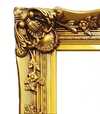
H24-GOLD Kč30
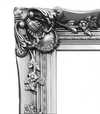
H24-SILVER Kč30
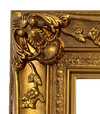
H36-GOLD Kč45
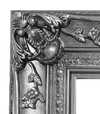
H36-SILVER Kč45
iii.
Vlastněte tímto dílem
Ručně malovaný obraz lze vytvořit na zakázku pro jednoho člověka.
Po přijetí objednávky vám tým WikiOO.org pošle e-mail s instrukcemi a poskytne náhled návrhu
iv.
Dokončování
Jmenovné desky, lak a doručení.
Popisek díla
Detaily ryté bronzové plakety
This elegant plaque features the artist's name and the title of the artwork, finely engraved for a timeless presentation.
It is made from bronze with a refined, elegant finish. The text is precisely laser-engraved for a sharp and permanent result. Measuring 9x2 cm, the plaque is compact yet easy to read. It's built to be durable and scratch-resistant, offering a professional, museum-quality look. Mounting is simple thanks to the included adhesive backing.
Detaily průhledné akrylové desky
The plaque includes essential engraved details such as the artist's name, the title of the artwork, the date it was created, the type of media used-like oil on canvas or watercolor-a brief description of the piece, and a QR code that links to the complete artwork information.
It is crafted from clear acrylic, offering a sleek, modern appearance. The text is UV-engraved in black to ensure strong visual contrast. With a size of 10x15 cm, it ensures optimal readability. It comes equipped with two metal hooks for secure wall mounting. The plaque is designed to be weather-resistant, making it suitable for various environments, and it includes interactive features that work seamlessly with smartphone scanning.
Detaily černé akrylové destičky
This elegant plaque includes engraved information such as the artist's name, the title of the artwork, the date it was created, the type of media used (like oil on canvas or watercolor), a short description of the artwork, and a QR code for quick access to more information.
The plaque itself is made from refined black acrylic with a premium finish. The text is laser-engraved in white for high contrast and readability. Its size is 10x15 cm, designed to be easy to read. It comes with two metal hooks for professional mounting. The design is sleek and fits any interior style. It is also weather-resistant and durable, with built-in digital integration for mobile compatibility.
Ochranný lak
Prioritní výroba
Celosvětová doprava () za 3–4 týdny namísto standardních 5 týdnů. (16 listopad). Bez kompromisů v kvalitě.
- Zdarma celosvětová expresní doprava
- Vysoce kvalitní lněné plátno
- Kompletní pojištění přepravy
- Záruka vrácení celního poplatku
- Záruka věrného barevného souladu
- 100dení lhůta pro vrácení zboží (pouze při vadách výroby)
- 100% záruka vrácení peněz
- Sleva při více objednávkách


Rychlá fakta a umělecký kvíz
Související články

Chasing Shadows: The Enchanting Beauty of Dim Light in Impressionist Masterpieces
Discover the ethereal magic of Impressionist nightscapes. Explore how masters like Monet and Whistler captured the alchemy of moonlight, shadows, and twilight through breathtaking oil paintings and nocturnal compositions.

Divine Authority on Canvas: Examining Goddesses within the Western Canon
Explore the profound symbolism of goddesses through masters like Poussin and Botticelli. Discover the divine power within the Western canon.

Timeless Echoes: Reimagining the Eternal Beauty of Ancient Greece Through an Impressionist Lens
Discover the breathtaking intersection of Ancient Greek mythology and Impressionist light. Explore how timeless legends are reimagined through soft, luminous brushstrokes for the discerning art lover seeking beauty, history, and soulful elegance.

Max Klinger: Symbolism, Science & the Subconscious – A German Master's Legacy
Explore the captivating world of Max Klinger, a pivotal German Symbolist artist. Discover his groundbreaking prints, psychological themes, & influence on modern art movements like Expressionism. Expert analysis and insights.
Podobná díla


