
 Sdílet
 Sdílet
 Podrobnosti o díle
 Průvodce

 Stáhnout
 Podobné položky
 Slideshow
 Otázky a odpovědi
 Statistiky
L


 Zobrazit více
Umělecké dílo zobrazené na této stránce je chráněno autorským zákonem, což znamená, že nemůžeme legálně vytvářet ani prodávat jeho identickou reprodukci. Tato ochrana je vymáhána na základě mezinárodních dohod, jako například Berberská úmluva a národními zákony, včetně těch stanovených v Americký autorský zákon – Díl 17. Všechna práva vyhrazena.
Tato metoda je plně v souladu s autorským právem, protože nezahrnuje kopírování ani duplikování chráněného díla. Jde o kreativní reinterpretaci – nový obraz, který je inspirován originálem, ale není s ním identický.
Giclée / Umělecký tisk
Giclée nebo plátěný tisk muzeální kvality s rychlou výrobou a širokou nabídkou povrchových úprav. ( Koupit ručně malovaný obraz Přepnout na digitální obraz)




































Vyberte si z našich přednastavených velikostí, které odpovídají původním proporcím díla.

Zadejte šířku a výšku, které potřebujete pro váš rám nebo stěnu. Tisk lze pouze oříznout, nikdy však nelze zvětšit obraz nad jeho původní rozměr, proto při výběru jiného formátu dochází ke ztrátě části obrazu. Před samotným tiskem vám zašleme digitální náhled k schválení. Obraz zobrazený na této stránce nenabízí skutečný výřez — ten uvidíte pouze v náhledu.
Celosvětové doručení () do 2 týdnů namísto standardních 4/5 týdnů. (9 listopad)

Zdarma celosvětová expresní doprava

Vysoce kvalitní lněné plátno

Kompletní pojištění přepravy

Záruka vrácení celního poplatku

Záruka věrného barevného souladu

100dení lhůta pro vrácení zboží (pouze při vadách výroby)

100% záruka vrácení peněz

Sleva při více objednávkách
 Skleněná varianta je dostupná pouze u rozměrů menších než 110 cm

L
Giclée / Umělecký tisk
Rozměry reprodukce
-


Celková cena za vybrané možnosti reprodukcí
Kč 1350
The Soul in the Grain
To look at this piece is to witness a profound metamorphosis of purpose. Created in 1937, L'Homme emerges from a period when Ron Clive Moody was transitioning from the clinical precision of dentistry to the tactile, demanding reality of woodcarving. There is a certain anatomical intelligence in the way the features are structured, a subtle nod to his medical training that lends the face a structural integrity. The work is carved from oak, a material that requires a firm hand and a deep understanding of resistance. He did not merely shape the wood; he listened to it. The grain of the oak is utilized to define the contours of the face, allowing the natural growth rings of the tree to inform the character of the mask. It is a quiet dialogue between the sculptor and the organic material.
The mask presents a smiling mouth and intricately carved eyes and nose, creating a presence that feels both ancient and immediate. There is a rhythmic quality to the carving, where the interplay of light and shadow across the brown tones of the wood suggests a living breath. It avoids the static nature of many traditional masks, opting instead for a sense of movement held within the stillness of the timber.
A Synthesis of Form
The origins of this aesthetic lie in the encounter with non-Western art, specifically the powerful, symbolic forms found in the British Museum's collections. Moody’s approach to L'Homme reflects a synthesis of his Jamaican roots and his European training. He found a spiritual blueprint in the rhythmic strength of African and indigenous carvings, yet the result is distinctly his own. The work bridges the gap between Caribbean identity and international modernism through its material honesty. He describes wood as a difficult material, one that demands a form, and in this carving, the form seems to have been discovered within the oak rather than imposed upon it.
There is an intimacy in the texture of the surface. The way the chisel has moved across the wood creates a sense of volume that is felt as much as it is seen. It is a work of presence, an evocation of a face that exists in the space between the natural world and the human spirit. Through this piece, the sculptor demonstrates how a single block of wood can be transformed into a vessel for human emotion, using the very essence of the tree to give life to the subject.
Otázky a odpovědi
Je „L“ od Ron Clive Moody obrazem, kresbou nebo grafikou?
V katalogu je dílo „L“ od Ron Clive Moody zařazeno do kategorie Sculpture, která usnadňuje vyhledávání podobných děl.
Je k dispozici prezentace pro „L“ od Ron Clive Moody?
Diaporama díla „L“ si můžete prohlédnout na stránce Slideshow.
Jak si mohu stáhnout obrázek díla „L“ od Ron Clive Moody?
Pro dílo „L“ je k dispozici stažení: na stránce Stažení digitální verze si můžete pořídit stažení digitálního obrazu ve vysokém rozlišení.
Podobná díla


Biografie umělce
The Soul in the Grain: The Life and Legacy of Ron Clive Moody
Born on August 12, 1900, in the vibrant heart of Kingston, Jamaica, Ron Clive Moody was a sculptor whose hands possessed the rare ability to breathe life into the silent medium of wood. While his early path seemed destined for the clinical precision of medicine—having moved to England in 1923 to pursue dentistry at King's College London—his spirit was irrevocably drawn to the tactile and the expressive. After earning his degree in 1930, Moody underwent a profound metamorphosis, setting aside the scalpel for the chisel. This transition from the scientific to the sculptural allowed him to approach his medium with a unique blend of anatomical understanding and raw, creative intuition.
The genesis of Moody's aesthetic was deeply rooted in his encounters with the British Museum’s vast collection of non-Western art. These ancient, powerful forms provided a spiritual blueprint for his burgeoning style. He found himself captivated by the rhythmic strength and symbolic depth of African and indigenous carvings, which inspired him to teach himself the intricate complexities of woodcarving. His first significant carved figure, Wohin, emerged in 1934, marking the beginning of a prolific career that would bridge the gap between Caribbean identity and international modernism.
Mastery of Form and Symbolism
Moody’s artistic development was characterized by an extraordinary ability to manipulate texture and volume. His sculptures are not merely representations but are evocations of presence. Through his mastery of wood, he captured the essence of human emotion and cultural narrative. His works often possess a rhythmic, organic quality that suggests movement even within the stillness of the grain. This is perhaps most evident in his celebrated pieces such as Midonz (1937) and the profound Savacou (1964), where the interplay of light and shadow on the carved surfaces creates a sense of living breath.
The significance of his work lies in its ability to transcend geographical boundaries. While deeply influenced by the ancestral echoes found in non-Western art, Moody’s voice was distinctly his own—a synthesis of his Jamaican heritage and his European training. His sculptures serve as a testament to the power of cultural fusion, standing as monumental achievements in 20th-century woodcarving. The following elements define his artistic essence:
- Materiality: An intimate, almost spiritual connection to the natural textures of wood.
- Cultural Synthesis: The seamless blending of Caribbean sensibilities with the formal traditions of global non-Western art.
- Anatomical Precision: A subtle nod to his medical training, visible in the structural integrity of his figures.
A Lasting Impression on the Art World
Throughout his life, Ron Clive Moody achieved a level of recognition that placed his work in some of the most prestigious institutions in the world. His sculptures are not merely objects of beauty but historical artifacts that reside within the National Portrait Gallery and Tate Britain in London, as well as the National Gallery of Jamaica. These placements ensure that his contribution to the sculptural canon remains accessible to scholars and art lovers alike, bridging the Atlantic through his carved legacies.
Beyond his individual achievements, Moody belonged to a family of significant intellectual influence, being the brother of the renowned anti-racist campaigner Harold Moody and the award-winning physiologist Ludlow Moody. When he passed away on February 6, 1984, at the age of 83, he left behind more than just a collection of carvings; he left a legacy of transformation. His journey from a dental student to a master sculptor remains an inspiring narrative of following one's true calling, proving that art is not just something one makes, but something one becomes.

Ron Clive Moody
1900 - 1984 , Jamaica
Rychlé informace o umělci
- Nationality: American
- Date Of Birth: 1900
- Date Of Death: 1984
- Place Of Birth: Kingston, Jamaica
Související články

Top 10 slavných obrazů v odstínech růžové a hnědé – inspirace pro váš interiér | WikiOO.cz
Objevte top 10 slavných obrazů v odstínech růžové a hnědé od Monet, Renoir a dalších mistrů. Inspirace pro váš interiér s reprodukcemi nejvyšší kvality na WikiOO.cz! Prozkoumejte celou kolekci online.

Top 10 slavných obrazů v pískových tónech: Umění a inspirace pro interiér
Objevte 10 slavných obrazů v pískových tónech od Van Gogha, Moneta a dalších mistrů. Inspirace pro interiér s teplými barvami a klasickým uměním. Reprodukce obrazů nejvyšší kvality na WikiOO.org
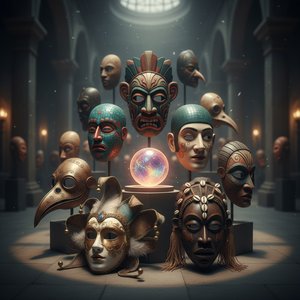
Unveiling the Mystery: A Journey Through the World's Most Iconic Mask Artworks
Embark on a profound journey through the world's most iconic mask artworks. Explore the spiritual depth, intricate craftsmanship, and rich cultural heritage of global traditions, from Chhau to Gomira, in this expert-led exploration of ancestral artistry and symbolic beauty.

Top 10 slavných obrazů v odstínech písečné hnědé – inspirace pro váš interiér | WikiOO.cz
Objevte top 10 slavných obrazů v odstínech písečné hnědé od Van Gogha, Rembrandta a dalších mistrů! Inspirace pro váš interiér s reprodukcemi nejvyšší kvality. WikiOO – umění pro váš domov.

Top 10 slavných obrazů v odstínech hříbek – Umění pro váš domov s WikiOO
Objevte top 10 slavných obrazů v odstínech hříbek – od Van Gogha po Moneta. Ponořte se do příběhů umění a inspirujte se pro váš interiér s reprodukcemi nejvyšší kvality na WikiOO.org.