

- 58.0 x 59.0 cm


 Náhled v interiéru

 Sdílet
 Sdílet
 Podrobnosti o díle
 Průvodce


 Stáhnout
 Podobné položky
 Rentgenové snímky
 Slideshow
 Otázky a odpovědi
 Statistiky
Pohlédněte blíž
Každý detail, ručně malováno
Tři detaily obrazu v zvětšení. Naši umělci je ručně reprodukují ve vámi zvolené velikosti.
i.
Srdce scény.
ii.
Světlo a pozadí
iii.
Tahy štětcem.
Obraz
Popis sbírného předmětu
Intricate floral patterns inspired by seventeenth-century lacis work define this exquisite 1876 design by William Morris, offering a timeless touch of Victorian elegance for your collection.
 Zobrazit více
Biografie umělce
Objevte Williama Morrise (1834–1896), klíčovou osobnost Art Nouveau! Poznejte jeho ikonické tkaniny, nástěnné dekorace a poezii – revoluci ve viktoriánském umění a designu.
A Tapestry of History: The Intricate Legacy of William Morris
In the delicate interplay of flora and geometry, Design for stands as a profound testament to the visionary genius of William Morris. Created in 1876, this exquisite piece is far more than a mere decorative pattern; it is a bridge between the artisanal traditions of the past and the burgeoning aesthetic movements of the nineteenth century. The work captures a moment where nature and craftsmanship converge, offering a rhythmic dance of leaves and blossoms that seems to breathe with an organic vitality. For the discerning collector or interior designer, this piece serves as a window into the soul of the Arts and Crafts movement, embodying a period when beauty was viewed as a fundamental necessity for the human spirit.
The origins of this design are rooted in a deep reverence for historical craftsmanship. Morris drew his inspiration from two seventeenth-century Italian lacis work panels, which had been acquired by the South Kensington Museum. This technique, involving handmade net onto which intricate designs are darned, provided the structural blueprint for Morris’s botanical arrangement. By translating the delicate, lace-like textures of lacis into a broader design language, he achieved a sense of layered depth. The composition features flowers positioned at varying distances, creating a sophisticated illusion of foreground and background that draws the eye through a lush, verdant labyrinth.
Symbolism and the Natural Order
At its heart, this work reflects Morris’s lifelong devotion to the English countryside and his belief in the moral superiority of natural beauty over industrial mechanization. Every leaf and petal is rendered with an intentionality that suggests a deeper cosmic order. The way the foliage intertwines and overlaps symbolizes the interconnectedness of all living things—a theme that resonates deeply with those who seek to bring the tranquility of the outdoors into their living spaces. There is a romanticism here, a nod to medieval chivalry and the pastoral idylls of his youth, which imbues the pattern with a sense of timelessness and grace.
For those looking to curate an environment of sophistication and warmth, this design offers unparalleled versatility. Whether integrated into a grand period room or used as a focal point in a contemporary minimalist setting, the piece commands attention through its subtle complexity. The monochrome essence of the original study highlights the masterful use of line and negative space, making it an ideal inspiration for high-quality reproductions that aim to capture the true essence of Morris’s hand. To possess such a design is to hold a fragment of history, a piece of art that continues to whisper the secrets of a more beautiful, handcrafted age.
Otázky a odpovědi
Jak si mohu prohlédnout „Design for“ od Vilém Mráz ve formě skluzobránku?
Diaporama díla „Design for“ si můžete prohlédnout na stránce Slideshow.
Kde mohu koupit print díla „Design for“ od Vilém Mráz?
Tisk díla „Design for“ od Vilém Mráz si můžete objednat přímo na jeho stránce Kvalitní umělecký tisk: umělecký tisk na bavlněném plátně nebo archivním plátnovém papíře.
Jaké umístění se hodí k formátu díla „Design for“ od Vilém Mráz?
Dílo v Square formátu, reprodukce díla „Design for“, se doporučuje do Living Room.

Vilém Mráz
1834 - 1896, Spojené království
Malíř
Biografie umělce
William Morris (1834–1896): A Life Rooted in Nature and Romance
William Morris, born on March 24, 1834, in Walthamstow, Essex, emerged from a comfortably affluent middle-class background—a circumstance that afforded him the freedom to pursue passions rather than professions. His father’s success as a financier provided not only security but also an environment where aesthetic sensibilities could flourish. Morris's childhood was deeply shaped by the English countryside surrounding his home and a fascination with tales of medieval chivalry, laying the groundwork for a lifelong devotion to both natural beauty and romantic narratives. These early influences weren’t merely sentimental; they formed the core of his artistic philosophy. He wasn’t simply *inspired* by nature or the past—he believed in their inherent moral and aesthetic superiority to the rapidly industrializing present. His formal education at Oxford University initially steered him toward a clerical path, but it was within the vibrant intellectual circles of the university that his true calling began to take shape. He joined “The Set,” a group of students who shared an intense interest in art, literature, and medieval history, forging friendships—most notably with Edward Burne-Jones—that would profoundly impact his artistic trajectory. It was during this period that he encountered the writings of John Ruskin, whose critique of industrial society and advocacy for craftsmanship resonated deeply with Morris’s burgeoning beliefs.The Arts & Crafts Revolution
Following Oxford, a brief foray into architecture quickly gave way to painting, as Morris collaborated with Dante Gabriel Rossetti on mural projects. However, it was the founding of Morris, Marshall, Faulkner & Co. in 1861—later known simply as Morris & Co.—that marked a pivotal moment, not just in his career but in the history of design. This wasn’t merely a business venture; it was an attempt to create a new way of life, one where art permeated every aspect of daily existence and craftsmanship was valued above all else. Alongside Burne-Jones, Rossetti, Philip Webb, and others, Morris sought to revive traditional techniques and produce beautiful, well-made objects for the home. The firm’s early work was profoundly influenced by Red House, a home Morris commissioned from Webb—a structure that embodied the Arts & Crafts ideal of creating a unified aesthetic environment through handcrafted furnishings and decoration. Morris became a leading voice in the burgeoning Arts & Crafts movement, championing handmade craftsmanship as an antidote to the perceived dehumanizing effects of mass production. He believed passionately that art should be accessible to all, not just the wealthy elite, and that it should be integrated into everyday life—a radical notion at a time when design was often seen as separate from function. This conviction extended beyond mere aesthetics; it was rooted in a deep social conscience and a desire to improve the lives of working people.A Legacy Woven in Textiles, Poetry, and Print
While Morris & Co. encompassed a wide range of decorative arts—furniture, stained glass, carpets—he is perhaps most celebrated for his textile designs. These weren’t simply patterns; they were intricate narratives woven with flowing floral motifs, lush foliage, and rich, evocative colors. His wallpapers, in particular, revolutionized interior design, moving away from the sterile imitations prevalent during the Victorian era toward nature-inspired creations that were both beautiful and functional. He didn't just *design* these patterns; he immersed himself in the process of their creation, understanding the nuances of dyeing techniques and weaving methods. Beyond textiles, Morris revived the art of tapestry making, producing large-scale narrative tapestries based on medieval romances and Arthurian legends—works that showcased his skill as a storyteller and his deep connection to the past. His creative energy wasn’t confined to the visual arts; he was also a prolific writer, composing poetry, novels, and translations. *The Earthly Paradise* (1868–1870) and *News from Nowhere* (1890) are testaments to his literary talent and his utopian vision of a society rooted in craftsmanship and social justice.Socialism, Conservation, and Enduring Influence
Morris’s commitment extended beyond aesthetics into the realm of social activism. He became increasingly involved in socialist politics, advocating for workers' rights and social reform. He believed that a truly beautiful society couldn’t exist without economic equality and justice—a conviction that informed both his art and his political writings. This wasn’t abstract theorizing; he actively supported various socialist causes and used his platform to raise awareness about the plight of working people. Furthermore, Morris was a pioneer in conservation, recognizing the importance of preserving historic buildings and landscapes for future generations. He understood that these structures weren't merely relics of the past but vital links to cultural identity and artistic inspiration. The William Morris Gallery in Walthamstow stands as a testament to his enduring legacy, showcasing his work and providing insights into his life and ideas. His vision of a world where beauty and utility are intertwined—and where art is accessible to all—remains as relevant today as it was in the 19th century. He wasn’t just an artist; he was a visionary who sought to transform society through the power of design, craftsmanship, and social justice.Rychlé informace o umělci Vilém Mráz
- Artistic Movement Or Style: Arts & Crafts
- Artists Or Movements Influenced By This Artist: ['Arts & Crafts movement']
- Artists Who Influenced This Artist:
- John Ruskin
- Edward Burne-Jones
- Date Of Birth: 24. března 1834 Walthamstow u Londýna
- Date Of Death: 3. října 1896 Londýn
- Full Name: William Morris
- Nationality: Anglický
- Notable Artworks:
- Sun and moon angels
- Oak leaves in All Saints
- Judas Maccabaeus
- Place Of Birth (City And Country): Walthamstow, UK


Ručně malovaná olejová reprodukce
Nechte si namalovat pro vás
Ručně malovaná olejová reprodukce
Rukou malované olejné plátno v libovolném rozměru i s rámem, vyrobené našimi umělci na zakázku. ( Přepnout na tisk Přepnout na digitální obraz)

Vaše provize

Design for
Technika reprodukce
Rozměry reprodukce
-

Vybraní mistři umění
Vyšší míra detailu, jemnosti a delší doba výroby
-

Možnosti rámování reprodukcí
-
-
U děl nebo reprodukcí, u nichž je jakákoliv strana větší než 105 cm (přibližně 41 palců), bude rám dodán jako sestava v rozloženém stavu. Tato metoda zajišťuje bezpečné doručení a chrání dílo před poškozením během přepravy.
Vyžaduje se odborná montáž – nejedná se o produkt pro svépomocnou realizaci (DIY).
Sestava musí být složena a plátno napnuto zkušeným profesionálním rámovačem s použitím dřevěného lepidla (není součástí balení), kleští na napínání plátna a svorek pro udržení pravých úhlů křížů během schnutí lepidla. Nesprávná montáž nebo nerovnoměrné napnutí plátna může způsobit trvalé poškození uměleckého díla, které není kryto naší zárukou.
 U děl nebo reprodukcí, u nichž je jakákoliv strana větší než 105 cm (přibližně 41 palců), bude rám dodán jako sestava v rozloženém stavu. Tato metoda zajišťuje bezpečné doručení a chrání dílo před poškozením během přepravy.
Jsou zahrnuty všechny lišty z masivního dřeva, přesně na míru nařezané.
Sestavuje se pomocí součástí balení (šroubů), plus dřevěného lepidla na rohové spoje, které není součástí balení a musí jej zajistit váš rámovač.
Vyžaduje se profesionální nářadí, které není součástí sady: kleště na napínání plátna a svorky pro udržení kolmosti příček během schnutí lepidla.
Důležité:
Spoje v rozích vyžadují lepidlo na dřevo, tyčinky musí být přichyceny pomocí svorek, dokud lepidlo zcela neuschne, a pro napnutí plátna na sestavený rám je zapotřebí kleští na natahování plátna. Žádný z těchto náčiní není součástí sady. Před objednáním této velikosti prosím zajistěte zkušeného profesionálního rámovače.

Popisek díla
-
-

Ochranný lak
Lesklý lak (zvýrazňuje barvy, chrání před světlem a vlhkostí)
-

Přizpůsobit své umělecké dílo
Příklady možných úprav: nahrazení obličeje fotografií zákazníka; přidání domácího mazlíčka (např. výměna kočky za psa); vložení skrytého vzkazu do pozadí; změna krajiny nebo prvků v pozadí.
-

Prioritní doručení
Celosvětové doručení () za 3–4 týdny namísto standardních 5 týdnů. (20 listopad). Bez kompromisů v kvalitě.
-
Expresní doručení
Celosvětová doprava () do 5 týdnů. (27 listopad).
V ceně
Celková cena za vybrané možnosti reprodukcí
Kč 5726
Skleněná varianta je dostupná pouze u rozměrů menších než 110 cm
i.
Měřítko
Původní rozměry jsou 58.0 x 59.0 cm. Přitáhněte si k ne své stěně: každý rozměr si zachovává své proporce.
Vyberte si z našich přednastavených velikostí, které odpovídají původním proporcím díla.

Zadejte šířku a výšku, které potřebujete pro váš rám nebo stěnu. Protože se jedná o ruční malbu, při výběru jiného formátu může umělec kolem obrazu domalovat o něco více, nebo jej mírně oříznout — rozhodnete si vy. Před zahájením malby vám zašleme digitální náhled ke schválení. Obraz zobrazený na této stránce neodpovídá skutečnému výsledku — pouze digitální náhled jej zobrazuje.
ii.
Rám
Rám je na malbě vykreslen v jeho skutečné šířce.
V rámu

Bílé okraje Kč1

Rozostřené okraje Kč1

Prodloužené okraje Kč1

P118B Kč10

P118H Kč10

P118W Kč10

P438Z Kč10

P508JH Kč12

P508YH Kč12

P805H Kč10

P805Z Kč10

P919BZ Kč10

P919G Kč10

P919XJ Kč10

P959ZH Kč10

P968JZ Kč12

W106C Kč8

W218G Kč10

W218JH Kč8

W218Y Kč10

W307PJ Kč10

W316G Kč10

W316PJ Kč8

W316Y Kč10

W398PJ Kč8

W4111J Kč10

W500HY Kč15

W500JH Kč15

W692G Kč12

W849H Kč8

W940BG Kč15

W953PJ Kč8
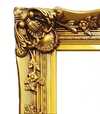
H24-GOLD Kč30
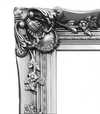
H24-SILVER Kč30
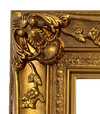
H36-GOLD Kč45
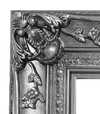
H36-SILVER Kč45
iii.
Vlastněte tímto dílem
Ručně malovaný obraz lze vytvořit na zakázku pro jednoho člověka.
Po přijetí objednávky vám tým WikiOO.org pošle e-mail s instrukcemi a poskytne náhled návrhu
iv.
Dokončování
Jmenovné desky, lak a doručení.
Popisek díla
Detaily ryté bronzové plakety
This elegant plaque features the artist's name and the title of the artwork, finely engraved for a timeless presentation.
It is made from bronze with a refined, elegant finish. The text is precisely laser-engraved for a sharp and permanent result. Measuring 9x2 cm, the plaque is compact yet easy to read. It's built to be durable and scratch-resistant, offering a professional, museum-quality look. Mounting is simple thanks to the included adhesive backing.
Detaily průhledné akrylové desky
The plaque includes essential engraved details such as the artist's name, the title of the artwork, the date it was created, the type of media used-like oil on canvas or watercolor-a brief description of the piece, and a QR code that links to the complete artwork information.
It is crafted from clear acrylic, offering a sleek, modern appearance. The text is UV-engraved in black to ensure strong visual contrast. With a size of 10x15 cm, it ensures optimal readability. It comes equipped with two metal hooks for secure wall mounting. The plaque is designed to be weather-resistant, making it suitable for various environments, and it includes interactive features that work seamlessly with smartphone scanning.
Detaily černé akrylové destičky
This elegant plaque includes engraved information such as the artist's name, the title of the artwork, the date it was created, the type of media used (like oil on canvas or watercolor), a short description of the artwork, and a QR code for quick access to more information.
The plaque itself is made from refined black acrylic with a premium finish. The text is laser-engraved in white for high contrast and readability. Its size is 10x15 cm, designed to be easy to read. It comes with two metal hooks for professional mounting. The design is sleek and fits any interior style. It is also weather-resistant and durable, with built-in digital integration for mobile compatibility.
Ochranný lak
Prioritní výroba
Celosvětová doprava () za 3–4 týdny namísto standardních 5 týdnů. (20 listopad). Bez kompromisů v kvalitě.
- Zdarma celosvětová expresní doprava
- Vysoce kvalitní lněné plátno
- Kompletní pojištění přepravy
- Záruka vrácení celního poplatku
- Záruka věrného barevného souladu
- 100dení lhůta pro vrácení zboží (pouze při vadách výroby)
- 100% záruka vrácení peněz
- Sleva při více objednávkách


Rychlá fakta a umělecký kvíz
Související články

The Alchemy of Passion: Examining the Intensity of Romantic Love through the Old Masters
Explore the profound intensity of passion through the Old Masters and Romanticism. Discover the soul of art history today.

The Flowing Line & Flourishing Form: Exploring Art Nouveau's Aesthetic Legacy
Explore the captivating world of Art Nouveau! Discover its origins, key artists like Horta & Mucha, regional styles, innovative techniques, and lasting influence on architecture & design. A comprehensive guide for art enthusiasts.

25 Masterpieces by Nicholas Roerich: A Journey Through Spirit and Symbolism
Explore 25 iconic Nicholas Roerich masterpieces of Russian Symbolism. Discover the full collection online at WikiOO.org.

10 Iconic Textile Masterpieces That Redefined the World of Art
Journey through history with 10 legendary textile masterpieces that redefined art. From iconic tapestries to fine fiber arts, explore the stories behind these timeless textures and find museum-quality reproductions for your decor. Discover all masterpieces on WikiOO.org.
Podobná díla


