

- 89.0 x 69.0 cm


 Náhled v interiéru

 Sdílet
 Sdílet
 Podrobnosti o díle
 Průvodce


 Stáhnout
 Podobné položky
 Rentgenové snímky
 Slideshow
 Otázky a odpovědi
 Statistiky
Pohlédněte blíž
Každý detail, ručně malováno
Tři detaily obrazu v zvětšení. Naši umělci je ručně reprodukují ve vámi zvolené velikosti.
i.
Srdce scény.
ii.
Světlo a pozadí
iii.
Tahy štětcem.
Obraz
Popis sbírného předmětu
Experience the melancholy decadence of Witold Wojtkiewicz's Dolls, a fin de siècle masterpiece evoking Symbolist mystery; discover this haunting vision today.
 Zobrazit více
Biografie umělce
Discover Witold Wojtkiewicz: Polish painter (1879-1909) blending Expressionism & Surrealism. Explore his dark, evocative works – a key figure in Polish art history.
The Melancholy Echoes of Witold Wojtkiewicz's Dolls
To stand before Dolls is to step into a meticulously constructed dreamscape steeped in the exquisite sorrow of the fin de siècle. This work by Witold Wojtkiewicz is not merely a depiction of a social gathering; it is an immersion into a fragile, decadent atmosphere, one where the veneer of polite society barely conceals profound emotional disquiet. The scene unfolds within what appears to be a bourgeois sitting room, rich with the muted tones and heavy drapery characteristic of that era’s upper-class interiors. Yet, beneath the surface calm—the resting black cat, the poised tea kettle—lies an undercurrent of palpable melancholy, reminiscent of the hazy, introspective spaces favored by French Symbolists.
A Study in Artificiality: The Doll Motif
What immediately arrests the viewer's gaze is the nature of the figures themselves. They seem less like flesh-and-blood individuals and more like exquisitely crafted figurines or dolls. This artificial quality is central to the painting’s narrative weight. Wojtkiewicz masterfully juxtaposes these seemingly inanimate, yet strangely present, forms against the backdrop of supposed human interaction. The titular dolls in the lower register are particularly potent symbols; they appear artificially animated, feigning a mirth that rings hollow. They suggest a profound commentary on emotional performance—the masks we wear for society.
Symbolism and the Weight of Memory
The painting pulses with layers of allusion, inviting deep contemplation from the viewer. The description hints at connections to the vibrant cultural currents of Young Poland, perhaps even echoing the presence of the Pareński family, whose friendship so deeply marked the artist’s life. These figures, whether muses or mere dolls, become vessels for unexpressed emotion—the joys and traumas that defined Wojtkiewicz's own volatile spirit. The composition is thus a poignant meditation on idealized relationships, lost affections, and the gap between outward appearance and inner turmoil.
Technique and Emotional Resonance
Executed in oil on canvas, this piece showcases a technical brilliance matched only by its emotional depth. Wojtkiewicz’s ability to create an atmosphere—a palpable sense of decadence and wistful boredom—is breathtaking. The division between the upper scene of languid women and the lower tableau of dolls creates a visual dialogue: is the artificiality in the dolls merely reflecting the emotional distance among the seated ladies? For collectors and admirers of decorative art, this piece offers more than mere ornamentation; it provides an intellectual anchor to a period of intense artistic introspection. Owning a reproduction allows one to bring home not just a painting, but a carefully curated echo of fin de siècle yearning.
Otázky a odpovědi
Z jakého historického období pochází „Dolls“ od Witold Wojtkiewicz?
Dílo "Dolls" pochází z období 19th Century.
Jakou barvu v kompozici díla „Dolls“ od Witold Wojtkiewicz dominuje?
Barvou, která v díle „Dolls“ nejvíce vyniká, je Espresso (#5a4b3b). Dominantní barva je užitečná při sladění uměleckého díla s interiérem.
Kdo je autorem díla "Dolls" a do kterého uměleckého směru patří?
Dílo „Dolls“ vytvořil/a Witold Wojtkiewicz v rámci směru Symbolism.

Witold Wojtkiewicz
1879 - 1909, Poland
Malíř
Biografie umělce
The Melancholy Vision of Witold Wojtkiewicz
In the twilight of the nineteenth century, amidst the vibrant yet turbulent atmosphere of Warsaw, a singular artistic voice emerged that would forever haunt the corridors of Polish art history. Witold Wojtkiewicz, born in 1879, was an artist whose brief life—spanning only thirty years—served as a profound bridge between the fading echoes of Symbolism and the burgeoning, fractured realities of Expressionism and Surrealism. Coming from a large family of eleven children, Witold’s path was not one of easy comfort; his father, a bank cashier, initially stood in opposition to his son's artistic ambitions. Yet, driven by an innate, restless creativity, Wojtkiewicz pursued his calling through the Warsaw school of drawing and later the prestigious Kraków Academy of Fine Arts, where he studied under masters like Leon Wyczółkowski.
His early years were marked by a sharp, satirical wit, often finding expression through his work as an illustrator for various periodicals. Under the pseudonym "Count Voitek," he contributed to the satirical magazine Liberum Veto and engaged deeply with the bohemian spirit of the Zielony Balonik cabaret. This period of his life was characterized by a certain playful, almost burlesque energy, reminiscent of the graphic prowess of Toulouse-Lautrec. However, beneath this surface of caricature and social commentary lay a much deeper, more unsettling preoccupation with the human condition. As he matured, his work began to shed its purely illustrative skin, evolving into something far more introspective and psychologically complex.
A World of Dolls, Masks, and Metaphysics
To step into a painting by Wojtkiewicz is to enter a dreamscape where the boundaries between childhood innocence and adult decay are perilously thin. He possessed a rare, almost supernatural ability to portray an imaginary world as tangibly real, often utilizing motifs that felt both whimsical and deeply unsettling. His canvases frequently featured children, yet these were not the idealized figures of classical tradition; instead, they appeared as small, solemn actors in a cosmic drama, often accompanied by masks, puppets, and jesters. These symbols served as vessels for his exploration of the ephemeral nature of existence and the masks we wear to navigate the complexities of reality.
As his health declined due to an incurable heart defect, a profound shift occurred in his aesthetic language. The lightheartedness of his early illustrations gave way to a much darker, more somber palette. His later works began to grapple with what scholars often call the "metaphysics of sex" and the existential weight of human suffering. There is a haunting, spectral quality to his compositions, where figures seem suspended in a state of eternal waiting or quiet mourning. This transition toward a more profound, symbolic depth solidified his reputation as a precursor to Surrealism, as he moved away from depicting external events—such as his sketches of the 1905 Warsaw Uprising—toward capturing the internal, often fractured, landscape of the subconscious.
Legacy and the Echo of a Shortened Life
Though Witold Wojtkiewicz passed away in 1909, leaving behind a legacy that was only fully recognized through major retrospectives decades later, his influence remains indelible. He was an artist who refused to be tethered to a single movement, instead creating a private mythology that resonated with the anxieties of the fin de siècle era. His ability to blend the grotesque with the lyrical, and the satirical with the tragic, allowed him to touch upon universal truths about the fragility of life and the persistence of memory.
The historical significance of his work lies in its prophetic nature. By exploring themes of alienation, identity, and the uncanny, he anticipated the psychological depth that would define much of twentieth-century modernism. Today, when we look upon his works—whether they be his delicate watercolors or his heavy, emotive oils—we see more than just the products of a talented painter; we see the diary of a soul that sought to find meaning in the shadows. His life, though tragically short, remains a testament to the power of art to transform personal suffering into a timeless, universal vision.
Rychlé informace o umělci Witold Wojtkiewicz
- Full Name: Paul Klee
- Nationality: Swiss-German
- Date Of Birth: 1879
- Date Of Death: 1909
- Place Of Birth: Warsaw, Poland
- Notable Artworks:
- Angelus Novus
- Senecio
- Twittering Machine
- Artistic Movement Or Style: Expressionism, Surrealism
- Artists Who Influenced This Artist:
- Leonardo da Vinci
- Wassily Kandinsky
- Artists Or Movements Influenced By This Artist:
- Bauhaus
- Surrealism
Ručně malovaná olejová reprodukce
Nechte si namalovat pro vás
Ručně malovaná olejová reprodukce
Rukou malované olejné plátno v libovolném rozměru i s rámem, vyrobené našimi umělci na zakázku. ( Přepnout na tisk Přepnout na digitální obraz)

Vaše provize

Dolls
Technika reprodukce
Rozměry reprodukce
-

Vybraní mistři umění
Vyšší míra detailu, jemnosti a delší doba výroby
-

Možnosti rámování reprodukcí
-
-
U děl nebo reprodukcí, u nichž je jakákoliv strana větší než 105 cm (přibližně 41 palců), bude rám dodán jako sestava v rozloženém stavu. Tato metoda zajišťuje bezpečné doručení a chrání dílo před poškozením během přepravy.
Vyžaduje se odborná montáž – nejedná se o produkt pro svépomocnou realizaci (DIY).
Sestava musí být složena a plátno napnuto zkušeným profesionálním rámovačem s použitím dřevěného lepidla (není součástí balení), kleští na napínání plátna a svorek pro udržení pravých úhlů křížů během schnutí lepidla. Nesprávná montáž nebo nerovnoměrné napnutí plátna může způsobit trvalé poškození uměleckého díla, které není kryto naší zárukou.
 U děl nebo reprodukcí, u nichž je jakákoliv strana větší než 105 cm (přibližně 41 palců), bude rám dodán jako sestava v rozloženém stavu. Tato metoda zajišťuje bezpečné doručení a chrání dílo před poškozením během přepravy.
Jsou zahrnuty všechny lišty z masivního dřeva, přesně na míru nařezané.
Sestavuje se pomocí součástí balení (šroubů), plus dřevěného lepidla na rohové spoje, které není součástí balení a musí jej zajistit váš rámovač.
Vyžaduje se profesionální nářadí, které není součástí sady: kleště na napínání plátna a svorky pro udržení kolmosti příček během schnutí lepidla.
Důležité:
Spoje v rozích vyžadují lepidlo na dřevo, tyčinky musí být přichyceny pomocí svorek, dokud lepidlo zcela neuschne, a pro napnutí plátna na sestavený rám je zapotřebí kleští na natahování plátna. Žádný z těchto náčiní není součástí sady. Před objednáním této velikosti prosím zajistěte zkušeného profesionálního rámovače.

Popisek díla
-
-

Ochranný lak
Lesklý lak (zvýrazňuje barvy, chrání před světlem a vlhkostí)
-

Přizpůsobit své umělecké dílo
Příklady možných úprav: nahrazení obličeje fotografií zákazníka; přidání domácího mazlíčka (např. výměna kočky za psa); vložení skrytého vzkazu do pozadí; změna krajiny nebo prvků v pozadí.
-

Prioritní doručení
Celosvětové doručení () za 3–4 týdny namísto standardních 5 týdnů. (19 listopad). Bez kompromisů v kvalitě.
-
Expresní doručení
Celosvětová doprava () do 5 týdnů. (26 listopad).
V ceně
Celková cena za vybrané možnosti reprodukcí
Kč 5739
Skleněná varianta je dostupná pouze u rozměrů menších než 110 cm
i.
Měřítko
Původní rozměry jsou 89.0 x 69.0 cm. Přitáhněte si k ne své stěně: každý rozměr si zachovává své proporce.
Vyberte si z našich přednastavených velikostí, které odpovídají původním proporcím díla.

Zadejte šířku a výšku, které potřebujete pro váš rám nebo stěnu. Protože se jedná o ruční malbu, při výběru jiného formátu může umělec kolem obrazu domalovat o něco více, nebo jej mírně oříznout — rozhodnete si vy. Před zahájením malby vám zašleme digitální náhled ke schválení. Obraz zobrazený na této stránce neodpovídá skutečnému výsledku — pouze digitální náhled jej zobrazuje.
ii.
Rám
Rám je na malbě vykreslen v jeho skutečné šířce.
V rámu

Bílé okraje Kč1

Rozostřené okraje Kč1

Prodloužené okraje Kč1

P118B Kč10

P118H Kč10

P118W Kč10

P438Z Kč10

P508JH Kč12

P508YH Kč12

P805H Kč10

P805Z Kč10

P919BZ Kč10

P919G Kč10

P919XJ Kč10

P959ZH Kč10

P968JZ Kč12

W106C Kč8

W218G Kč10

W218JH Kč8

W218Y Kč10

W307PJ Kč10

W316G Kč10

W316PJ Kč8

W316Y Kč10

W398PJ Kč8

W4111J Kč10

W500HY Kč15

W500JH Kč15

W692G Kč12

W849H Kč8

W940BG Kč15

W953PJ Kč8
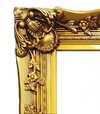
H24-GOLD Kč30
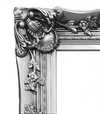
H24-SILVER Kč30
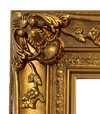
H36-GOLD Kč45

H36-SILVER Kč45
iii.
Vlastněte tímto dílem
Ručně malovaný obraz lze vytvořit na zakázku pro jednoho člověka.
Po přijetí objednávky vám tým WikiOO.org pošle e-mail s instrukcemi a poskytne náhled návrhu
iv.
Dokončování
Jmenovné desky, lak a doručení.
Popisek díla
Detaily ryté bronzové plakety
This elegant plaque features the artist's name and the title of the artwork, finely engraved for a timeless presentation.
It is made from bronze with a refined, elegant finish. The text is precisely laser-engraved for a sharp and permanent result. Measuring 9x2 cm, the plaque is compact yet easy to read. It's built to be durable and scratch-resistant, offering a professional, museum-quality look. Mounting is simple thanks to the included adhesive backing.
Detaily průhledné akrylové desky
The plaque includes essential engraved details such as the artist's name, the title of the artwork, the date it was created, the type of media used-like oil on canvas or watercolor-a brief description of the piece, and a QR code that links to the complete artwork information.
It is crafted from clear acrylic, offering a sleek, modern appearance. The text is UV-engraved in black to ensure strong visual contrast. With a size of 10x15 cm, it ensures optimal readability. It comes equipped with two metal hooks for secure wall mounting. The plaque is designed to be weather-resistant, making it suitable for various environments, and it includes interactive features that work seamlessly with smartphone scanning.
Detaily černé akrylové destičky
This elegant plaque includes engraved information such as the artist's name, the title of the artwork, the date it was created, the type of media used (like oil on canvas or watercolor), a short description of the artwork, and a QR code for quick access to more information.
The plaque itself is made from refined black acrylic with a premium finish. The text is laser-engraved in white for high contrast and readability. Its size is 10x15 cm, designed to be easy to read. It comes with two metal hooks for professional mounting. The design is sleek and fits any interior style. It is also weather-resistant and durable, with built-in digital integration for mobile compatibility.
Ochranný lak
Prioritní výroba
Celosvětová doprava () za 3–4 týdny namísto standardních 5 týdnů. (19 listopad). Bez kompromisů v kvalitě.
- Zdarma celosvětová expresní doprava
- Vysoce kvalitní lněné plátno
- Kompletní pojištění přepravy
- Záruka vrácení celního poplatku
- Záruka věrného barevného souladu
- 100dení lhůta pro vrácení zboží (pouze při vadách výroby)
- 100% záruka vrácení peněz
- Sleva při více objednávkách


Rychlá fakta a umělecký kvíz
Související články

Drama vs. Delight: Distinguishing Baroque and Rococo Art
Master the differences between Baroque drama and Rococo grace with our expert art guide. Discover the evolution of European aesthetics now.
Podobná díla


