

 Se i rummet
 Send
Send Del
Del
 Detaljer
 Studieguide til kunstværker

 Download
 Lignende værker
 Røntgenundersøgelse
 Se diasshow
 Statistik
Satyr


 Læs mere
Giclée / Kunsttryk
Giclée- eller lærredstryk i museumskvalitet med hurtig produktion og fleksible muligheder for finish. ( Bestil håndmalet reproduktion Skift til digitalt billede)




P118B Dkr10

P118H Dkr10

P118W Dkr10

P438Z Dkr10

P508JH Dkr12

P508YH Dkr12

P805H Dkr10

P805Z Dkr10

P919BZ Dkr10

P919G Dkr10

P919XJ Dkr10

P959ZH Dkr10

P968JZ Dkr12

W106C Dkr8

W218G Dkr10

W218JH Dkr8

W218Y Dkr10

W307PJ Dkr10

W316G Dkr10

W316PJ Dkr8

W316Y Dkr10

W398PJ Dkr8

W4111J Dkr10

W500HY Dkr15

W500JH Dkr15

W692G Dkr12

W849H Dkr8

W940BG Dkr15

W953PJ Dkr8




Vælg mellem vores forudindstillede størrelser, der matcher kunstværkets originale proportioner.

Indtast den bredde og højde, du har brug for, så det passer til din ramme eller din væg. Et print kan kun beskæres, aldrig gøres større end billedet, så en størrelse med en anden form vil miste en del af motivet. Vi sender dig en digital mockup til godkendelse, før vi printer noget. Billedet vist på denne side viser ikke den faktiske beskæring — det er kun mockuppen, der gør.
Verdensomspændende levering () på 2 uger i stedet for de sædvanlige 4/5 uger. (27 oktober)

Gratis ekspresforsendelse til hele verden

Lærred af linned i høj kvalitet

Komplet transportforsikring

Garanti for refusion af told og importafgifter

Garanti for autentisk farvegengivelse

100 dages returret ved fabrikationsfejl

100% fuld returret

Mængderabat ved flere køb
 Glasmulighed er kun tilgængelig i størrelser under 110 cm

Satyr
Giclée / Kunsttryk
Reproduktionsstørrelse
-


Samlet pris
Dkr 408
The Mythic Embrace of Benvenuto Cellini's Satyr
Benvenuto Cellini’s “Satyr” stands as a captivating testament to the dynamism and sensual allure that defined the Mannerist period in Italian art. Completed around 1545, this bronze sculpture transcends mere representation; it embodies the very spirit of Dionysian revelry and the untamed beauty of the natural world. More than just a depiction of a mythological creature, Cellini’s satyr is an embodiment of potent emotion – a moment frozen in time, brimming with both mischievous energy and a profound, almost melancholic contemplation.
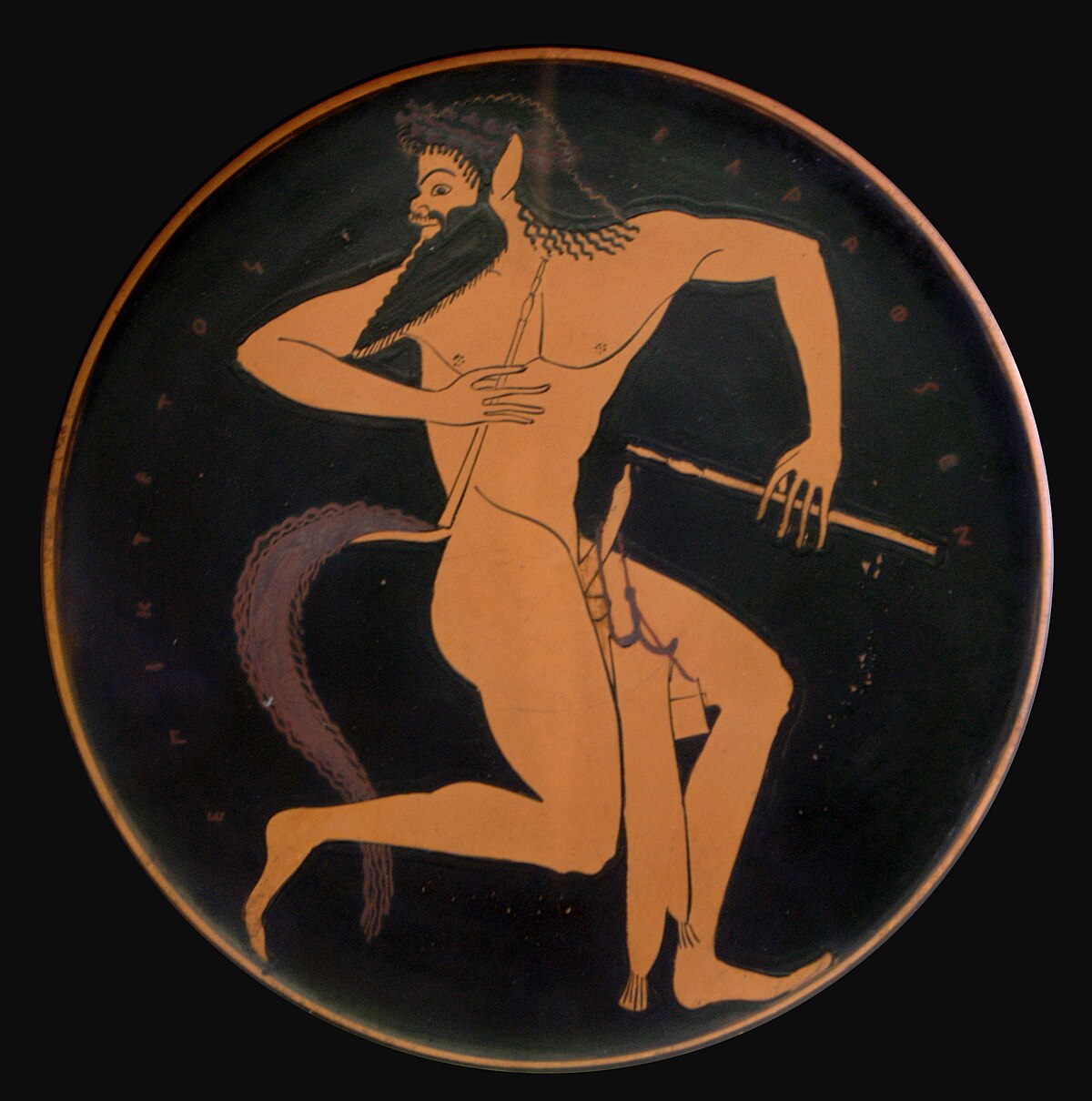
The sculpture itself is a marvel of technical skill and expressive form. Standing nearly four feet tall, the satyr is rendered in a remarkably realistic style, yet imbued with an unmistakable Mannerist flair. His muscular physique, accentuated by the strong lines of his arms and belly, speaks to a primal vitality – a celebration of the body’s inherent power. The details are exquisite: the unruly curls of his hair, the intense gaze of his eyes, the subtle suggestion of a mischievous grin. Notably, the bronze is treated with a rich, aged patina that adds depth and character, hinting at the passage of time and the sculpture's journey through history.
A Glimpse into Renaissance Mythology
Cellini’s satyr isn’t simply a charming figure from Greek mythology; it’s deeply rooted in the cultural context of the 16th century. Satyrs, companions to the god Dionysus, were traditionally associated with wildness, intoxication, music, and fertility – potent symbols of human desires and impulses. In Renaissance Florence, these themes resonated powerfully, particularly within the circles of artists and intellectuals who sought to reconcile classical ideals with contemporary sensibilities. Cellini’s work reflects this complex interplay, capturing both the exuberance and the underlying melancholy inherent in the satyr's existence.
The sculpture’s creation coincided with Cellini’s time at the court of Francis I of France, a period marked by lavish patronage and an embrace of Mannerist aesthetics. This royal commission further elevated the work, imbuing it with a sense of grandeur and sophistication. The choice of bronze as the medium itself is significant – a material prized for its durability, luster, and ability to capture intricate detail.
Symbolism and Artistic Technique
Beyond its mythological subject matter, “Satyr” is rich in symbolic meaning. The satyr’s gesture—raised hand, as if reaching out or beckoning—suggests an invitation into a world of pleasure and abandon. The sculpture's composition, with the satyr presented in profile, creates a sense of intimacy and immediacy, drawing the viewer into his gaze. Cellini masterfully employed techniques such as *repoussé* (hammering metal from the reverse side to create relief) and *chasing* (using tools to refine the surface of the metal), demonstrating his exceptional skill as a goldsmith and sculptor.
The sculpture’s hollow back, filled with fragments of burnt clay and wooden pegs, is particularly intriguing. This deliberate inclusion suggests a layering of meaning—a reference to the satyr's connection to the earth and the cyclical nature of life and death. It also hints at Cellini’s own fascination with materials and his desire to create works that were both beautiful and intellectually stimulating.
A Timeless Masterpiece
Benvenuto Cellini’s “Satyr” remains a powerful and evocative work of art, captivating viewers with its blend of mythological narrative, technical brilliance, and emotional depth. It is a window into the Renaissance world—a celebration of human creativity, sensual desire, and the enduring power of myth. Reproductions by WikiOO offer an exceptional opportunity to bring this iconic masterpiece into your home or office, allowing you to appreciate its beauty and complexity for years to come.
Spørgsmål & svar
Hvordan finder jeg kunstværker, der minder om "Satyr" af Benvenuto Cellini?
Værker, der ligner "Satyr" af Benvenuto Cellini, er samlet på værkets Lignende værker-side.
Hvor kraftige er farverne i "Satyr"?
"Satyr" af Benvenuto Cellini er gengivet med en Clear Color Presence mætning og en Vivid intensitet.
Hvilken kunstretning tilhører "Satyr" af Benvenuto Cellini?
"Satyr" af Benvenuto Cellini tilhører Mannerist Renaissance-bevægelsen. Denne bevægelse giver den stilistiske kontekst for værket.
Lignende kunstværker


Om kunstneren
Benvenuto Cellini: Renæssancens Mangfoldige Geni
Benvenuto Cellini, født i Firenze i 1500 og død samme sted i 1571, var mere end blot en kunstner; han var et levende udtryk for renæssancens ånd – en mand af mange talenter, der med lige stor virtuositet mestrede guldsmedekunsten, skulpturen, musikken og skriften. Hans liv, som han selv beskriver i sin berømte selvbiografi, var et dramatisk møde mellem kunstnerisk genialitet, personlig ambition og en konstant strøm af eventyr og kontroverser. Cellini indbegriber den manieristiske æstetik – en stilperiode der fulgte den høje renæssance, kendetegnet ved sin dramatiske flair, elegante kompleksitet og en vis grad af kunstnerisk frihed.
Fra Musik til Metal: En Kunstners Barndom og Lære
Cellinis familie havde stærke musikalske rødder; hans far var musiker og instrumentmager. I første omgang blev Benvenuto opfordret til at følge i faderens fodspor, men hans passion lå utvivlsomt i den visuelle kunst. Ved blot femten års alderen overbeviste han sin far om at lade ham blive lærling hos Antonio di Sandro, en anset guldsmed kendt som Marcone. Denne beslutning markerede begyndelsen på Cellinis formelle kunstneriske uddannelse, selvom den ikke altid var uden vanskeligheder. Hans ungdom var præget af et temperament, der ofte førte til konflikter – allerede i sekstenårsalderen blev han involveret i en slåskamp og måtte forlade Firenze for en tid. Oplevelserne i Siena under guldsmeden Fracastoro bidrog til hans voksende færdigheder, men det var i Rom, at Cellini virkelig begyndte at udfolde sit kunstneriske potentiale.
Mesterværker i Guld og Bronze: Cellinis Kunstneriske Geni
Cellinis navn er for mange synonymt med hans enestående guldsmedearbejde. Det mest berømte eksempel er uden tvivl Saltcellaren, et overdådigt sølvmesterværk bestilt af kong Frans I af Frankrig og nu udstillet på Kunsthistorisches Museum i Wien. Værket er et sandt vidnesbyrd om Cellinis evne til at skabe intrikate detaljer og dynamiske figurer, der tilsammen fortæller en fascinerende historie. Men hans talent strakte sig langt ud over guldsmedekunsten. Hans bronzeskulptur "Perseus med Medusas hoved" er et ikonisk eksempel på Cellinis beherskelse af form og dramatisk komposition. Skildringen af Perseus' triumf, mens han holder det afhuggede hoved af Medusa, fanger bevægelse og følelser med en imponerende kraft. Andre bemærkelsesværdige værker omfatter guldmedaljonen af Leda og svanen, der demonstrerer Cellinis evne til at kombinere klassisk mytologi med udsøgt håndværk, samt designtegninger som den for et segl, bevaret på British Museum.
En Selvbiografi som Kunstværk: Et Indblik i Renæssancens Sjæl
Ud over sine kunstneriske præstationer er Cellini også kendt for sin selvbiografi, *Vita*. Dette værk er ikke blot en beretning om hans eget liv; det er et uvurderligt dokument, der giver et unikt indblik i renæssancens kunstneriske miljø, de politiske intriger og den sociale dynamik. Skrevet med en usædvanlig åbenhed og ofte med en vis grad af selvpromovering, skildrer *Vita* Cellinis oplevelser som soldat, musiker og kunstner på en levende og underholdende måde. Selvom hans beretning kan være farvet af hans egne biases, er den et uvurderligt kildemateriale for historikere og kunsthistorikere, der søger at forstå renæssancens ånd.
Arv og Betydning: En Polymaths Varige Indflydelse
Benvenuto Cellini døde i Firenze i 1571, efterlod sig et imponerende kunstnerisk bagland og en selvbiografi, der fortsat fascinerer læsere den dag i dag. Han repræsenterer det renæssancemenneske – en person med bredde interesser og evner, drevet af ambition og en urokkelig tro på sin egen talent. Hans værker er fejret for deres skønhed, håndværksmæssige kvalitet og dramatiske kraft, hvilket cementerer hans plads som en central figur i vestlig kunsthistorie. Cellini var ikke blot en dygtig kunstner; han var en formidler af renæssancens idealer – et symbol på kreativitet, innovation og den menneskelige ånds ubegrænsede potentiale.

Benvenuto Cellini
1500 - 1571 , Italien
Hurtige fakta
- Dødsdato: 13. februar 1571
- Fødested: Firenze, Italien
- Fødselsdato: 3. november 1500
- Nationalitet: Italiensk
Relaterede artikler

Bronzeskulpturers Mestre: 10 Værker der Ændrede Kunsthistorien | WikiOO
Oplev de 10 mest legendariske bronzeskulpturer, der har formet kunsthistorien! Fra Rodin til Vigeland – lær historierne bag mesterværkerne og find inspiration til din indretning. Køb museumskvalitets reproduktioner på WikiOO.org.

The Enduring Legacy of Bronze: A Historical & Artistic Exploration for the Collector
Explore the rich history & enduring appeal of bronze sculpture with expert insights for collectors at WikiOO. Learn about casting techniques, iconic artists, collecting tips & contemporary interpretations.

The Enduring Legacy of Bronze Sculpture: A Collector's Guide to Form & Cultural Significance
Explore the rich history & enduring appeal of bronze sculpture with expert insights for collectors at WikiOO. Learn about casting techniques, iconic artists, and collecting tips to build a discerning art collection.

The Enduring Legacy of Bronze: History, Technique & Artistic Expression for the Collector
Explore the rich history & enduring appeal of bronze sculpture with expert insights for collectors at WikiOO. Learn about casting techniques, iconic artists, and collecting tips.

Top 10 Bronzemesterværker: Kunsthistorien Ændret for Evigt | WikiOO.dk
Oplev de 10 mest legendariske bronzemesterværker, der har formet kunsthistorien! Fra Rodin til Degas – lær historierne bag ikoniske skulpturer og find inspiration til din indretning. Køb museumskvalitets reproduktioner på WikiOO.org.

