Sculpting History: The Essential Guide to the Art, Technique, and Legacy of Plaster Casting
Explore the profound history and technical mastery of plaster in sculpture. From Renaissance foundations to Modernist pioneers like Barbara Hepworth, discover how this versatile medium captures the eternal essence of form, texture, and artistic revolution.
Introduction Close your eyes for a moment and imagine walking through a quiet, sun-drenched gallery, where the air feels heavy with the scent of aged linseed oil and the stillness of centuries past. There is a profound, almost sacred magic in the way...
To walk through a quiet, sun-drenched gallery is to encounter more than mere objects; it is to witness the frozen breath of humanity. While the world often gravitates toward the vibrant pigments of an Impressionist landscape or the enduring strength of bronze, there exists a parallel history written in the delicate, matte textures of sculpted plaster. There is a profound, almost sacred magic in the way light dances across these pale, ethereal curves. Unlike stone, which demands a subtractive struggle against resistance, or oil paint, which builds layers of color, plaster offers a unique, luminous quality—a way of catching shadows and soft highlights with a ghostly grace that even the finest pigments struggle to replicate.
Plaster is a medium of pure form, capturing the very breath of movement and the fleeting essence of a moment before it can vanish. It possesses a tactile power that speaks to our most primal connection with the earth. As a substance that begins as something fluid and chaotic—a white, liquid slurry—before hardening into bone-white structures, it embodies the transition from raw thought to permanent monument. For the art student or the dedicated collector, understanding plaster means looking beyond the surface of a sculpture to see the structural soul upon which much of art history was built. It is a medium that demands patience and rewards the observer with an intimate glimpse into the artist's most immediate creative impulses.
From Clay to Eternity: The Technical Evolution of Casting and Mould-Making
Lost-wax casting – also called investment casting, precision casting, or cire perdue (French: [siʁ pɛʁdy]; borrowed from French) – is the process by which a duplicate sculpture (often a metal, such as silver, gold, brass, or bronze) is cast from an o...
The journey from a fleeting idea to an enduring masterpiece is often paved with the complex chemistry of casting. At its most fundamental level, casting is a process of transformation where a liquid material is poured into a mould, capturing a hollow cavity of a desired shape to solidify into form. While we often associate the finished product with the permanence of bronze or marble, it is the intermediate stage of plaster that allows for such incredible complexity. This technical lineage can be traced back millennia; the oldest known examples of casting techniques, such as the lost-wax method, date back over 6,500 years to the Varna Necropolis.
In the modern studio, the process remains a delicate dialogue between the artist and the material. Whether utilizing the direct method, where the wax model itself becomes the mould, or the indirect method, which allows for multiple reproductions from a single original, the technical precision required is immense. The lost-wax process, or cire perdue, remains one of the most sophisticated achievements in sculptural history, allowing for intricate details that would be impossible through carving alone. As students of the craft, we must recognize that materials like epoxy, concrete, and plaster are not merely substitutes but are essential components in a lineage of innovation that spans from ancient Mesopotamia to the contemporary avant-garde.
The Architect of Revolution: Plaster’s Role in Renaissance and Modernist Movements
A Moment Frozen in Modernist Grace In this evocative black and white photograph from November 1964, we are invited into the intimate, creative sanctuary of one of the twentieth century's most formidable sculptors, Dame Barbara Hepworth. The image cap...
Throughout the annals of art history, plaster has served as the silent architect of revolution. During the grand heights of the Renaissance, plaster was the structural foundation for the sweeping frescoes that adorned cathedral ceilings, providing the very stage upon which masters like Michelangelo could enact their visions. It was a medium of immediacy, allowing artists to refine their studies and bridge the gap between a preliminary sketch and an eternal monument. This era established the classical ideals of proportion and narrative power that would influence the Western canon for centuries.
As we moved into the twentieth century, the role of plaster shifted from the architectural to the experimental. The modernist spirit found in the works of Dame Barbara Hepworth exemplifies this transition. In her studio, one might find a profound dialogue between the plaster of Figure for Landscape and its eventual bronze cast. For modernists, plaster was no longer just a preparatory tool but a medium capable of expressing organic rhythms and biomorphic surfaces. The movement embraced the matte, earthy quality of the material to explore space, light, and the tension between the human figure and the natural world. From the neoclassical elegance of Antonio Canova’s works to the abstract reliefs of Sergio Camargo, plaster has consistently provided the freedom for artists to shatter conventions and redefine the very boundaries of aesthetics.
Mastering the Material: Essential Techniques for the Aspiring Sculptor
Casting is a manufacturing process in which a liquid material is usually poured into a mold, which contains a hollow cavity of the desired shape, and then allowed to solidify. The solidified part is also known as a casting, which is ejected or broken...
For the student standing before a fresh mound of gypsum or a prepared mould, the challenge lies in mastering the material's temperament. Working with plaster requires an understanding of its chemical transition from a stiff, workable paste to a rigid, unyielding solid. The tactile connection between the creator's hand and the form is most potent during this window of fluidity; it is here that every delicate fingerprint, every soft curve of a cheekbone, and every dramatic tension of a muscle can be captured.
Success in plaster work demands a rigorous attention to detail in both mould-making and surface finishing. One must consider the structural integrity of the piece, ensuring that the internal supports or armatures are sufficient to bear the weight of the hardening mass. Furthermore, the ability to manipulate texture—moving from smooth, polished surfaces to rugged, expressive applications—is what separates a mere reproduction from a work of art. As you develop your practice, remember that the beauty of plaster often resides in its imperfections: the layers, the subtle ridges, and the structural bones of the creation process itself.
Preserving the Ephemeral: The Legacy of Plaster Casts in Art History and Education
The Enduring Echoes of Classical Forms: The Legacy of August Gerber and Kunstanstalt August Gerber’s name, though perhaps less familiar to the general public than those of Michelangelo or Canova, represents a crucial bridge between antiquity and mode...
The legacy of plaster lives on through the remarkable collections of casts that serve as a bridge between antiquity and modernity. Institutions like the Kunstanstalt August Gerber in Cologne have historically played a crucial role in this preservation, creating meticulous reproductions that allow scholars and collectors to study classical forms far from their original museum settings. These casts are not mere copies; they are acts of dissemination and reimagining, ensuring that the ideals of human form and proportion remain accessible to a changing world.
Today, these works continue to resonate as poignant reminders of our desire to capture the ephemeral. In an age defined by digital fleetingness, the physical, tactile presence of a plastersculpture offers a grounding connection to the past. Whether through the study of museum-grade reproductions or the creation of new, experimental forms, the medium remains a vital part of our cultural DNA. It reminds us that art is a continuous conversation—a process of capturing the breath of humanity and casting it into a form that defies time.
For those seeking to bring the grandeur of history into their own collections, WikiOO.org offers exquisite hand-painted oil reproductions of the world's most iconic masterpieces. From the textured depth of a Van Gogh to the luminous light of a Monet, our artists recreate the soul of art on 100% cotton canvas. Explore our collection and discover how a masterpiece can transform your space.
Explore the rich history & enduring appeal of bronze sculpture with expert insights for collectors. Learn about casting techniques, iconic artists, collecting tips & contemporary interpretations at WikiOO.
Explore the ethereal beauty of plaster in art history. From preparatory models to iconic reliefs, discover how this luminous medium captures the soul of sculpture and the delicate dance of light and form.
Explore the profound impact of monolithic art and architecture. From ancient rock-cut temples to Hepworth's modern abstractions, discover how single-form masterpieces command space and evoke awe in this expert historical guide for art enthusiasts.
Discover the professional secrets of pastel art. From Impressionist light techniques to mastering texture and pigment layering, our expert guide explores the ethereal beauty and technical precision required to master this delicate medium.

 10 Iconic Plaster Masterpieces That Redefined Art History
 Lost-wax casting
 Barbara Hepworth with the plaster of Figure for Landscape and a bronze cast of Figure (Archaean), November 1964.
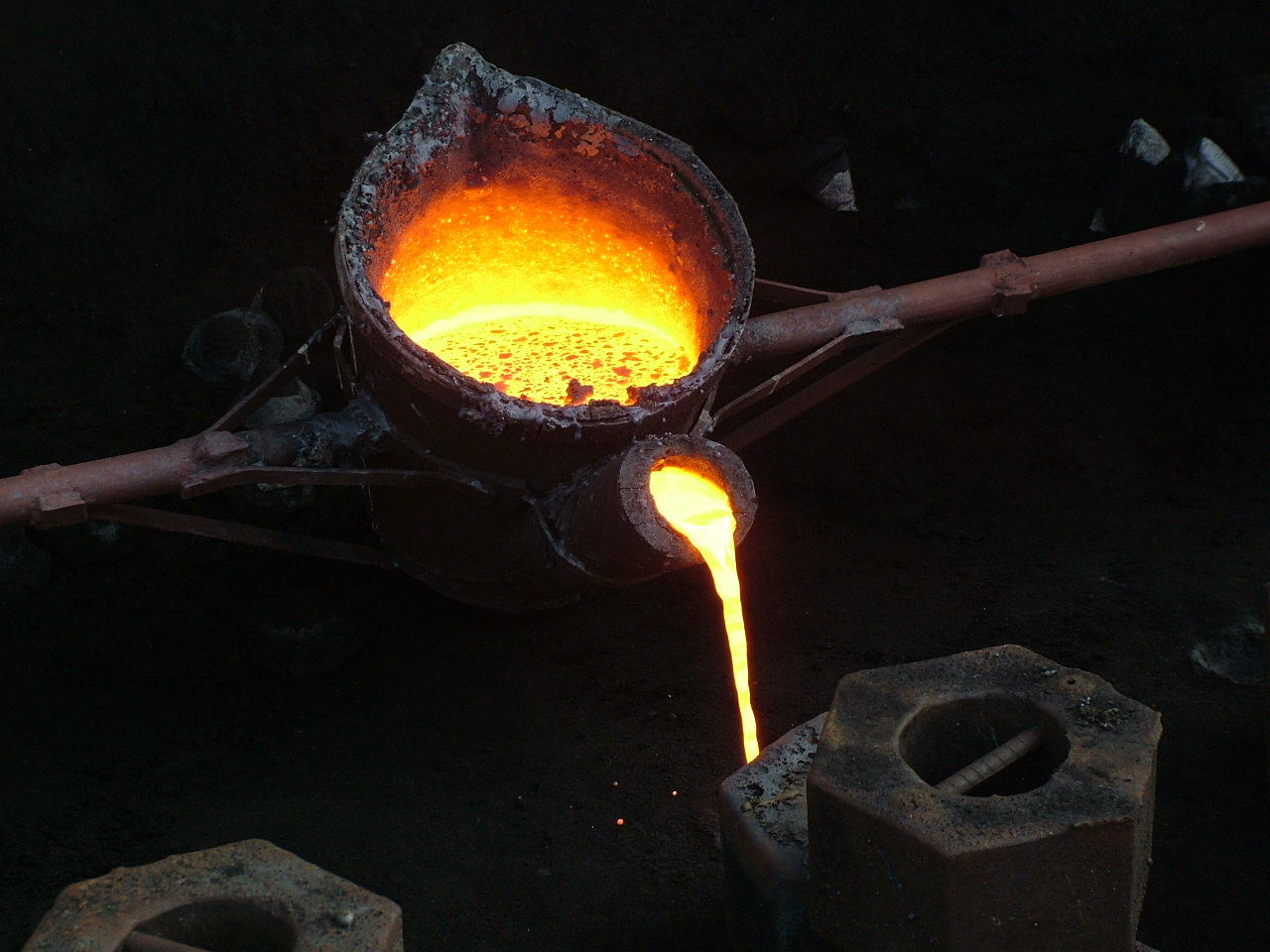 Casting
 kunstanstalt august gerber


