


The Visual Vocabulary: Understanding the Language of Symbols
In works of art, literature, and narrative, a symbol is a concrete element like an object, character, image, situation, or action that suggests or hints at abstract, deeper, or non-literal meanings or ideas. The use of symbols artistically is symboli...
To step before a masterpiece is to enter into a silent, profound conversation. For many of us, the first encounter with a grand canvas is one of pure aesthetic delight—the way light dances across a textured surface or how a particular shade of cerulele captures the morning sky. Yet, beneath this captivating exterior lies a complex, hidden lexicon. Art has rarely functioned merely as a mirror reflecting reality; instead, it often serves as a veil, concealing deeper truths and intricate narratives within its layers of pigment.
A symbol is more than just an ornament; it is a concrete element—an object, a character, or even a specific action—that hints at abstract, non-literal ideas. When we see a rose in a Renaissance portrait, we are not merely looking at a botanical specimen; we are witnessing a whisper of beauty, fragility, or perhaps even fleeting passion. This visual language allows artists to communicate ideas that transcend the limitations of spoken words, creating a bridge between the artist's intent and the viewer's intuition. As you begin to observe these recurring motifs, the canvas transforms from a static image into a living, breathing story waiting to be read.
Sacred Signs and Spiritual Truths: Decoding Religious Iconography
 Sacred Symbols: Decoding the Hidden Iconography and Theological Meaning in Masterpiece Paintings
The Visual Catechism: Art as a Sacred Language for the Illiterate Illuminating Belief: A Visual Exploration of Faith Across Artistic Movements & Historical Contexts The Dawn of Devotion: Early Christian Symbolism & Art Before the grand narratives of ...
Long before the printing press democratized knowledge, art served as the primary textbook for the faithful. In the quiet shadows of early Christian catacombs and the soaring heights of Byzantine basilicas, iconography emerged as a vital, visual scripture. For an era where literacy was a rare luxury, the walls themselves spoke. We see this in the subtle use of the ichthys, or fish symbol, which acted as a coded proclamation of faith amidst periods of Roman scrutiny. These early masters prioritized essential truths—the promise of salvation and the light of the resurrection—over anatomical precision, using symbols to create a visual catechism accessible to all.
This tradition of sacred imagery continues to resonate through the centuries, finding beautiful expression in the works of artists like Aggelos Dimitriou. In his depictions of Saint Stylianos, we see a masterful blend of ancient Greek iconography and contemporary vision. Through the meticulous application of gold leaf—symbolizing divine grace—and the use of sfumato to create spiritual weight, the artist invites us into a moment of profound devotion. Whether it is the halo representing holiness or the thorns signifying martyrdom, these sacred signs allow us to engage with the infinite, blurring the boundaries between the earthly realm and the divine.
Allegory and Emotion: How Artists Tell Stories Without Words
 Decoding the Veil: Symbolism in Art – A Comprehensive Exploration of Meaning & Interpretation
Introduction: The Language of Symbols – Unveiling Hidden Narratives Wikipedia: Allegory As a literary device or artistic form, an allegory is a narrative or visual representation in which a character, place, or event can be interpreted to represent a...
Beyond the religious sphere, art employs allegory to navigate the complexities of human morality and politics. An allegory is a narrative device where characters and events represent deeper moral or political significance. This technique allows an artist to explore heavy themes—such as justice, greed, or even the passage of time—through much more palatable, visual metaphors. It is a way of layering meaning, where a single composition can hold multiple interpretations depending on the viewer's cultural lens.
Consider the psychological depth found in the works of Bill McCauley, where the boundaries between realism and a dreamscape begin to dissolve. His use of recurring motifs, such as solitary figures or specific animals, functions not as literal portraiture but as archetypal symbols loaded with emotional resonance. By utilizing chiaroscuro—the dramatic contrast between light and shadow reminiscent of Caravaggio—he heightens the emotional impact, prompting introspection. In these works, the art does not just show us a scene; it evokes a feeling, lingering in our subconscious long after we have turned away from the frame.
Modern Reimaginations: From Classical Motifs to Contemporary Pop
 Neon Sovereignty: A Fragmented Iconography of Chaos and Electric Permanence
A Vision of Electric Chaos Neon Sovereignty: A Fragmented Iconography of Chaos and Electric Permanence is a breathtaking exploration of Aggressive Confrontational Pop. This masterpiece reimagines classical iconography through a lens of modern urban r...
The language of symbolism is not a relic of the past; it is a living, evolving dialogue. Modern and contemporary artists frequently reach back into the archives of art history to remix and reimagine classical iconography for a new age. We see this in the breathtaking exploration of "Neon Sovereignty," where the structured elegance of traditional portraiture collides with the raw, unbridled energy of street art. Here, monumental symbols like crowns and spades are bathed in hyper-saturated palettes of electric cyan and hot pink, creating a sense of beautiful instability that reflects our digital-age anarchy.
Even the most avant-garde movements find inspiration in the foundational structures of the past. Whether it is the resurgence of Greek iconography or the fragmented, high-tension energy of Pop art, the impulse to use symbols remains constant. The way we interpret a crown today may differ from how a 17th-century viewer might have, yet the core fascination with power, identity, and rebellion remains. This continuous cycle of reinvention ensures that the visual vocabulary of art remains as vibrant and relevant as ever.
A Collector's Guide: Bringing Meaningful Symbolism into Your Home
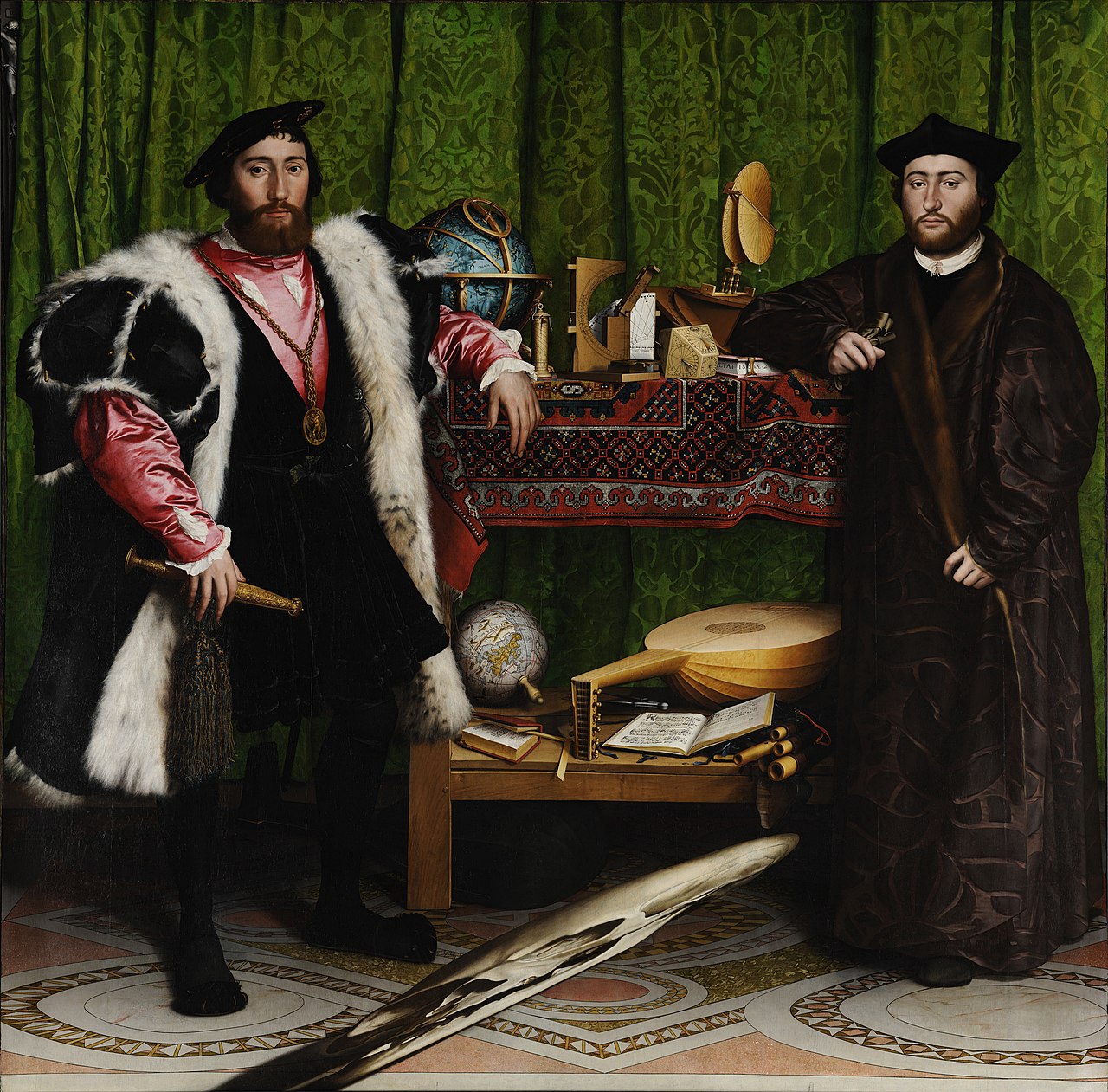 Iconography
Iconography, as a branch of art history, studies the identification, description and interpretation of the content of images: the subjects depicted, the particular compositions and details used to do so, and other elements that are distinct from arti...
For the modern enthusiast, collecting art is an opportunity to curate a personal sanctuary filled with intention. When selecting pieces for your home, consider how the symbolism within a work can complement the mood and narrative of your space. A large-scale, multi-panel set featuring flowing, cohesive brushstrokes can add architectural grandeur to a wide wall, while a custom portrait can transform a personal milestone into a timeless masterpiece.
At WikiOO.org, we believe that art should be an accessible journey of discovery. Whether you are drawn to the heavy, tactile texture of a hand-painted oil reproduction or the transformative power of our AI-driven "remixed" masterpieces, our goal is to help you find pieces that resonate with your soul. From turning a cherished family photo into a 17th-century style portrait to finding a print that perfectly matches your room's color palette, we invite you to look beyond the surface. Let every brushstroke and every hidden symbol tell a story in your home.


