Swale House: A Tapestry of Kentish Life
Nestled in the heart of Sittingbourne, Swale House offers more than just a glimpse into the past; it presents a vibrant and layered portrait of a community’s evolution. This unassuming yet remarkably preserved building stands as a testament to centuries of history, from its Roman roots to the present day, and within its walls resides a collection that whispers tales of local artisans, prominent families, and the very spirit of Kent. Originally conceived as a substantial residence, Swale House has evolved into a crucial cultural hub, meticulously maintained and continually enriched with new exhibits – a dynamic reflection of Sittingbourne’s enduring character.
The building itself is a fascinating study in architectural adaptation. While precise dating remains somewhat elusive, initial investigations suggest elements tracing back to the late 17th century, incorporating Georgian influences alongside later additions reflecting evolving tastes and needs. The façade, largely unaltered, speaks of restrained elegance – a deliberate choice that allows the interior’s treasures to take center stage. The house's layout reveals a careful consideration of light and space, a hallmark of its original design, and it is within these rooms that the true heart of Swale House lies: a remarkable collection of artifacts unearthed from ‘The Plough’ archaeological site. These finds – pottery shards, tools, and fragments of daily life – offer an unparalleled window into the lives of those who inhabited this region millennia ago, grounding the narrative in tangible evidence.
Artistic Echoes of Kent
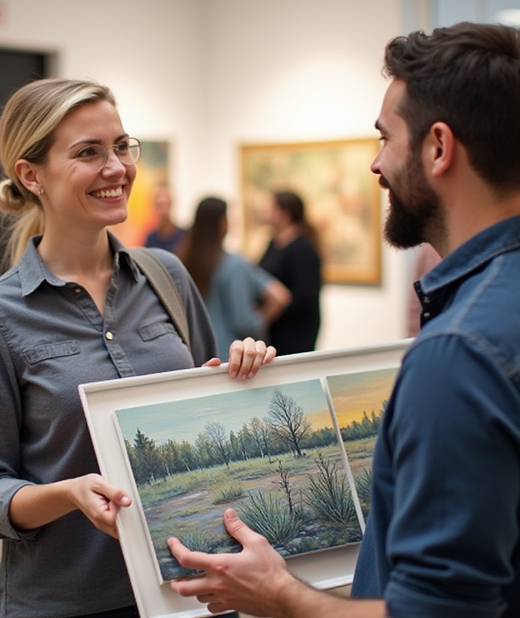
Swale House's commitment to showcasing local artistic talent is a defining feature. The collection isn’t dominated by grand masterpieces; instead, it focuses on the regional identity through a diverse range of works – portraits of prominent Sittingbourne families, intricate needlework depicting rural scenes, and examples of decorative arts reflecting the craftsmanship prevalent in Kent. Notably, the museum houses several pieces attributed to local artists from the 18th and 19th centuries, demonstrating a burgeoning artistic community within the area. The collection also includes examples of Georgian and Victorian furniture, meticulously restored and displayed, providing context for the artwork they accompany. These objects aren’t merely decorative; they are imbued with the social and economic realities of their time.
Unearthing History: The Plough Site
The archaeological discoveries from ‘The Plough’ site are undoubtedly the museum's most compelling draw. This ongoing excavation has yielded an astonishing array of objects, offering a remarkably detailed picture of life in this region during the Roman and early medieval periods. Among the highlights are intricately crafted pottery vessels, tools used for agriculture and craftwork, and even personal adornments – fragments of jewelry and beads that hint at the rituals and beliefs of the people who lived here. The museum’s displays meticulously reconstruct these finds, allowing visitors to engage with the past in a profoundly intimate way. The Plough site isn't just an archaeological dig; it’s a living narrative brought to life through careful curation and scholarly interpretation.
A Community Hub: Accessibility and Engagement
What truly distinguishes Swale House is its unwavering dedication to community engagement. Free admission ensures that the museum’s treasures are accessible to all, fostering a sense of shared heritage and cultural appreciation. Regular changing exhibitions keep the experience fresh and dynamic, reflecting current research and highlighting diverse aspects of local history. The family-friendly environment – thoughtfully designed exhibits and interactive displays – encourages children to develop an early interest in their local surroundings. Furthermore, the museum’s gift shop offers a curated selection of souvenirs and unique gifts, providing visitors with a tangible reminder of their journey through time.
Beyond the Walls: Swale's Legacy
Swale House stands as more than just a museum; it is a vital link to Sittingbourne’s past. The town itself, strategically positioned on the Roman Watling Street, has long been a crossroads of trade and travel – a legacy reflected in its rich history and diverse population. The connection to Thomas Becket's martyrdom further cemented Sittingbourne’s importance as a pilgrimage destination, adding another layer to its narrative. Today, Swale House continues to evolve, preserving the stories of this remarkable community while embracing new perspectives and engaging with the challenges of the 21st century. A visit here is an invitation to step back in time and connect with the enduring spirit of Kent.