

 Vista previa
 Compartir
 Compartir
 Ver detalles
 Guía
Guía

 Descargar
 Ver artículos similares
 Radiografía
 Presentación de diapositivas
 Estadísticas
Masques


 Leer más
La obra de arte que se muestra en esta página está protegida por las leyes de propiedad intelectual, lo que significa que no podemos crear ni vender legalmente una reproducción idéntica. Esta protección se hace cumplir en virtud de acuerdos internacionales como el Convenio de Berna y por las leyes nacionales, incluidas aquellas establecidas por el Ley de derechos de autor de los EE. UU. - Título 17.
Como una alternativa respetuosa y legal, ofrecemos obras de arte personalizadas y pintadas a mano inspiradas en la original. Nuestros expertos y profesionales del arte estudian cuidadosamente el estilo, el sentimiento y la esencia artística de la obra original para crear una pieza nueva y única que evoque la misma sensación, siendo al mismo tiempo una creación original por derecho propio.
Este método cumple plenamente con las normativas de derechos de autor, ya que no implica la copia ni la duplicación de la obra protegida. En su lugar, se trata de una reinterpretación creativa: una nueva pintura influenciada por la original, pero que no es idéntica a ella.
Reproducción al óleo hecha a mano
Óleo sobre lienzo pintado a mano en el tamaño y marco de su elección, realizado por encargo por nuestros artistas. ( Cambiar a formato impreso Ver versión en imagen digital)




P118B €10

P118H €10

P118W €10

P438Z €10

P508JH €12

P508YH €12

P805H €10

P805Z €10

P919BZ €10

P919G €10

P919XJ €10

P959ZH €10

P968JZ €12

W106C €8

W218G €10

W218JH €8

W218Y €10

W307PJ €10

W316G €10

W316PJ €8

W316Y €10

W398PJ €8

W4111J €10

W500HY €15

W500JH €15

W692G €12

W849H €8

W940BG €15

W953PJ €8




Elija entre nuestros tamaños predefinidos que respetan las proporciones originales de la obra.

Escriba el ancho y el alto que necesite para adaptarse a su marco o a su pared. Al ser una obra pintada a mano, para un tamaño con una forma distinta, el artista puede pintar un poco más alrededor de la imagen o recortar un poco; usted elige. Le enviaremos una maqueta digital para su aprobación antes de comenzar la pintura. La imagen que se muestra en esta página no refleja el resultado real; solo la maqueta lo hace.
Tras realizar el pedido, el equipo de WikiOO.org enviará un correo electrónico al cliente para solicitar instrucciones y proporcionarle una vista previa del boceto.
Envío a todo el mundo () en 3-4 semanas en lugar de las 5 semanas estándar. (19 octubre). Sin comprometer la calidad.

Envío exprés gratuito a todo el mundo

Lienzo de lino de alta calidad

Seguro de envío completo

Garantía de reembolso de impuestos aduaneros

Garantía de fidelidad cromática exacta

Política de devolución de 100 días (solo por defectos)

Garantía de devolución del 100% del dinero

Oferta por volumen
 La opción de vidrio solo está disponible en tamaños inferiores a 110 cm.

Masques
Técnica de reproducción
Tamaño de la reproducción
-


Precio total
€ 231
Unmasking Surreal Visions: The Enigmatic World of Max Ernst
In the hauntingly beautiful lithograph “Masques,” created in 1950, Max Ernst invites us to step beyond the threshold of the rational and into a realm where logic dissolves into dreamscape. This work stands as a profound testament to the enduring legacy of Dada and Surrealism, offering more than just a visual spectacle; it is an invitation to navigate a psychological labyrinth. The composition immediately captivates with its stark, dramatic contrast, utilizing a velvety black background that serves as a void from which strange, fragmented forms emerge. Two confronting faces dominate the left and right sides of the frame, their features distorted and abstracted into unsettling representations of the human visage. A third, smaller face nestles in the upper left corner, its subdued presence adding a layer of mystery and suggesting a hierarchy of consciousness or perhaps a hidden observer within the subconscious mind.
The technique employed by Ernst is as much a part of the artwork's soul as the imagery itself. Through his pioneering use of “frottage,” a method involving transferring textures from found objects onto paper, he achieves an ethereal, tactile quality that feels both organic and otherworldly. This process allowed for a form of automatism, where the artist’s subconscious impulses could guide the hand, bypassing the constraints of conscious thought to reveal hidden patterns and textures. The result is a painting that breathes with the restless energy of dreams, where the boundaries between the human, the mechanical, and the monstrous begin to blur, creating a visual texture that is deeply engaging for the eye and the spirit alike.
Symbolism and the Shadows of History
Beyond its striking aesthetic, “Masques” is steeped in profound symbolism and historical weight. Created in the aftermath of World War II, the piece reflects a period of intense global disillusionment. Ernst, whose artistic trajectory was irrevocably shaped by the traumas of the First World War, channeled his anxieties into works that rejected bourgeois values and embraced the absurd. The concept of the mask itself serves as a potent metaphor for concealment and revelation—the tension between the persona we present to the world and the true, often fractured identity hidden beneath. In this work, the blurring of features speaks volumes about the fragility of perception and the psychological pressure of an era marked by uncertainty.
For the discerning collector or interior designer, “Masques” offers a sophisticated focal point that commands attention through its intellectual depth and emotional resonance. The piece does not merely sit upon a wall; it transforms a space, injecting a sense of mystery and avant-garde elegance. Whether placed in a contemporary gallery setting or a curated private study, this reproduction captures the essence of Ernst’s ability to turn the unsettling into the sublime. It is a masterpiece of transformation, reminding us that even within the darkest shadows, there exists a beautiful, complex truth waiting to be unmasked.
Preguntas y respuestas
¿Cuál es el tono predominante de "Masques" de Max Ernst?
Un tono Ochre to Sepia recorre "Masques" de Max Ernst.
¿Quién vende copias pintadas a mano de "Masques" de Max Ernst?
Puede solicitar una reproducción pintada a mano de "Masques" de Max Ernst directamente en su página de Reproducción pintada a mano: una reproducción al óleo pintada a mano sobre lienzo de lino, realizada bajo pedido.
¿En qué periodo se realizó "Masques" de Max Ernst?
El periodo histórico de "Masques" de Max Ernst es Modern. Esta clasificación sitúa la obra en la historia del arte.
Obras relacionadas


Biografía del artista
Max Ernst: Una Vida en el Surrealismo
Juventud y Educación
- Nacido: 1 de abril de 1891, en Brühl, Alemania.
- El padre de Ernst, Philipp Ernst, era maestro de sordos y pintor aficionado, fomentando el interés temprano de Max por el arte.
- Estudió filosofía, historia del arte, literatura, psicología y psiquiatría en la Universidad de Bonn desde 1909.
- Esta diversa formación académica influyó profundamente en sus posteriores exploraciones artísticas.
Desarrollo Artístico e Influencias
- Un momento decisivo fue la exposición Sonderbund en Colonia (1912), donde conoció obras de Pablo Picasso, Vincent van Gogh, y Paul Gauguin.
- En 1914, conoció a Hans Arp, comenzando una amistad que duró toda la vida e influyó significativamente en su trayectoria artística.
- La Primera Guerra Mundial impactó profundamente a Ernst; sus experiencias como soldado llevaron al desencanto y a una visión crítica de la sociedad.
- Se sintió influenciado por las obras de Sigmund Freud, explorando temas de la mente inconsciente en su arte.
Dada y Surrealismo
- Ernst se convirtió en una figura clave del grupo Dada de Colonia después de la Primera Guerra Mundial, rechazando las convenciones artísticas tradicionales.
- Pionero en técnicas innovadoras como frottage (frotar lápiz sobre superficies texturizadas) y grattage (raspar pintura para revelar capas subyacentes).
- En la década de 1920, se unió al movimiento Surrealista en París, colaborando con artistas como Paul Éluard.
- Su obra durante este período exploró imágenes oníricas y temas psicológicos.
Obras Principales y Técnicas
- Frottage: Una técnica utilizada para crear texturas e imágenes inesperadas, ejemplificada en muchas de sus obras.
- Collage: Ernst empleó con frecuencia el collage, combinando elementos dispares para crear composiciones surrealistas.
- Obras Notables:
- La Ciudad Entera
- Euclides
- De Esto Ninguno Debería Saber
- Bosque y Paloma
- Sus pinturas a menudo presentan imágenes simbólicas, incluyendo pájaros (particularmente su alter ego Loplop), paisajes y yuxtaposiciones inquietantes.
Vida Tardía y Legado
- Ernst se trasladó a Estados Unidos durante la Segunda Guerra Mundial, continuando pintando y experimentando con nuevas técnicas.
- Regresó a Francia después de la guerra y permaneció activo hasta su muerte el 1 de abril de 1976, en París.
- Significado Histórico: Las contribuciones de Max Ernst a Dada y Surrealismo fueron innovadoras. Desafió las normas artísticas, exploró la mente subconsciente e inventó técnicas innovadoras que continúan inspirando a los artistas de hoy en día.
- Sigue siendo una de las figuras más importantes e influyentes del arte del siglo XX.

Max Ernst
1891 - 1976 , Alemania
Datos clave
- Artistas Influenciados: ['Muchos artistas posteriores']
- Artistas Que Influyeron:
- Pablo Picasso
- Vincent van Gogh
- Paul Gauguin
- Sigmund Freud
- Fecha De Muerte: 1 de abril de 1976
- Fecha De Nacimiento: 1 de abril de 1891
- Lugar De Nacimiento: Brühl, Alemania
- Movimiento Artístico: Dadaísmo y Surrealismo
- Nacionalidad: Alemán/Americano/Francés
- Nombre Completo: Max Ernst
- Obras Notables:
- La Ciudad Entera
- Euclides
- Bosque y Paloma
- El Elefante de Célebes
Artículos relacionados
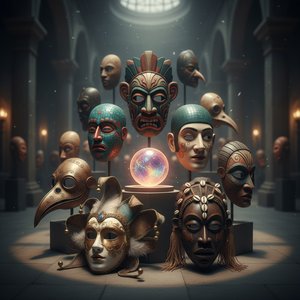
Unveiling the Mystery: A Journey Through the World's Most Iconic Mask Artworks
Embark on a profound journey through the world's most iconic mask artworks. Explore the spiritual depth, intricate craftsmanship, and rich cultural heritage of global traditions, from Chhau to Gomira, in this expert-led exploration of ancestral artistry and symbolic beauty.

Dreamscapes & Disrupted Realities: Exploring Surrealism's Enduring Influence
Explore the fascinating world of Surrealism! Discover its origins, key artists like Dalí & Magritte, and enduring influence on art & culture. Expert insights & high-quality reproductions at WikiOO.
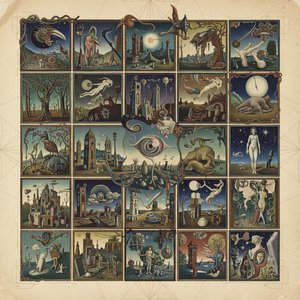
Max Ernst: Las 25 Obras Maestras del Surrealismo para Decorar tu Hogar con Arte
Descubre las 25 obras maestras de Max Ernst, el rey del surrealismo. Explora su arte onírico, técnicas innovadoras y simbolismo profundo. Reproducciones de alta calidad para decorar tu hogar con estilo en WikiOO.org

Las 10 Litografías Legendarias que Revolucionaron el Arte | WikiOO
Descubre las 10 litografías legendarias de Toulouse-Lautrec, Munch y Goya que revolucionaron el arte. Explora su historia, técnica y significado en WikiOO.org. Reproducciones de museo para tu hogar.

Más Allá de la Realidad Tangible: Explorando los Fundamentos Filosóficos del Surrealismo
Descubre los fundamentos filosóficos del Surrealismo. Explora su contexto histórico, la influencia de Freud y las técnicas clave con análisis experto. Un viaje al corazón de este revolucionario movimiento artístico.


