

 Vista previa
 Compartir
 Compartir
 Ver detalles
 Guía
Guía

 Descargar
 Ver artículos similares
 Radiografía
 Presentación de diapositivas
 Estadísticas
untitled (9089)


 Leer más
Giclée / Impresión de arte
Impresiones giclée o en lienzo de calidad de museo con producción rápida y opciones de acabado flexibles. ( Encargar reproducción pintada a mano Ver versión en imagen digital)




P118B $10

P118H $10

P118W $10

P438Z $10

P508JH $12

P508YH $12

P805H $10

P805Z $10

P919BZ $10

P919G $10

P919XJ $10

P959ZH $10

P968JZ $12

W106C $8

W218G $10

W218JH $8

W218Y $10

W307PJ $10

W316G $10

W316PJ $8

W316Y $10

W398PJ $8

W4111J $10

W500HY $15

W500JH $15

W692G $12

W849H $8

W940BG $15

W953PJ $8




Elija entre nuestros tamaños predefinidos que respetan las proporciones originales de la obra.

Puede introducir sus propias dimensiones para adaptarse a un marco o espacio específico. Si el tamaño seleccionado no coincide con las proporciones de la imagen original, recortaremos la obra de arte o extenderemos la imagen con un borde con efecto espejo o de color sólido. Se enviará una maqueta digital para su aprobación antes de que comience la producción.
Tenga en cuenta que la vista previa en pantalla no refleja el recorte o la extensión real. Solo la maqueta mostrará con precisión la composición final.
Aunque existen tamaños personalizados, recomendamos seleccionar una dimensión de la lista predefinida para preservar las proporciones originales.
Envío a todo el mundo () en 2 semanas en lugar de las 4/5 semanas estándar. (25 septiembre)

Envío exprés gratuito a todo el mundo

Lienzo de lino de alta calidad

Seguro de envío completo

Garantía de reembolso de impuestos aduaneros

Garantía de fidelidad cromática exacta

Política de devolución de 100 días (solo por defectos)

Garantía de devolución del 100% del dinero

Oferta por volumen
 La opción de vidrio solo está disponible en tamaños inferiores a 110 cm.

untitled (9089)
Giclée / Impresión de arte
Tamaño de la reproducción
-


Precio total
$ 61
A Descent into the Subconscious: The Vision of Max Ernst
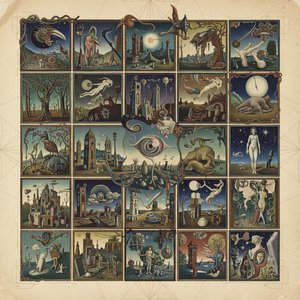
In the vast, labyrinthine landscape of twentieth-century modernism, few works capture the unsettling beauty of the human psyche quite like Max Ernst’s “untitled (9089).” This masterpiece serves as a profound gateway into the realms of Dada and Surrealism, movements that emerged from the fractured reality of post-World War I Europe. Ernst, a pioneer who eschewed traditional academic constraints in favor of psychological exploration, invites the viewer to step away from the rational world and enter a dreamscape where the boundaries between the animate and inanimate dissolve. The painting is not merely a visual experience; it is an invitation to wander through the untamed wilderness of the unconscious mind.
The composition is anchored by a striking, central motif: a solitary man mounted upon a horse, navigating a dense, primordial jungle. This figure, rendered in muted and somber tones, evokes a sense of profound vulnerability amidst the overwhelming scale of nature. As your eyes traverse the canvas, you encounter a surreal ecosystem teeming with life—stylized trees, thickets of bushes, and watchful birds that seem to emerge from the very texture of the earth. Scattered throughout this verdant chaos are other human figures, some resting and others observing, creating a sense of a shared yet deeply isolated existence within this mysterious landscape.
The Alchemy of Texture: Grattage and Form
What truly distinguishes this work is Ernst’s revolutionary approach to medium and method. Eschewing the smooth, polished finishes of classical painting, Ernst utilized grattage—a technique of scraping paint across a canvas layered over textured surfaces like burlap or wood grain. This process allows the underlying textures to bleed through the pigment, creating an intricate, organic surface that feels alive with movement. The resulting visual language is one of deliberate unevenness, where every scratch and scrape mirrors the turbulent emotional currents of the Surrealist movement.
For the discerning collector or interior designer, this technique offers a tactile depth that is rare in traditional portraiture or landscapes. The interplay of light and shadow across these textured ridges creates a dynamic quality; the painting appears to shift and breathe depending on the viewer's perspective and the ambient lighting of the room. It is a work that demands attention, providing a sophisticated focal point that brings an air of intellectual mystery and avant-garde elegance to any curated space.
Symbolism and the Emotional Resonance of the Wild
Beyond its formal brilliance, “untitled (9089)” is rich with symbolic weight. The horse, traditionally a symbol of strength and nobility, appears here in a state of subjugation to human will, perhaps reflecting Ernst’s critique of societal hierarchies and the struggle for dominance. The jungle itself acts as a powerful metaphor for the repressed instincts and primal anxieties that lie beneath the surface of civilized behavior. It is a place where the "id" emerges into the light, presenting a landscape that is simultaneously enchanting and threatening.
The emotional impact of the piece is a complex tapestry of melancholy contemplation and quiet defiance. There is a haunting stillness to the scene, yet it is charged with an underlying current of tension. To possess a reproduction of this work is to bring a piece of art history’s most profound psychological inquiries into one's home. It serves as a constant reminder of the beauty found in the unknown and the enduring power of the imagination to transform chaos into a structured, albeit surreal, vision of existence.
Obras relacionadas


Biografía del artista
Max Ernst: Una Vida en el Surrealismo
Juventud y Educación
- Nacido: 1 de abril de 1891, en Brühl, Alemania.
- El padre de Ernst, Philipp Ernst, era maestro de sordos y pintor aficionado, fomentando el interés temprano de Max por el arte.
- Estudió filosofía, historia del arte, literatura, psicología y psiquiatría en la Universidad de Bonn desde 1909.
- Esta diversa formación académica influyó profundamente en sus posteriores exploraciones artísticas.
Desarrollo Artístico e Influencias
- Un momento decisivo fue la exposición Sonderbund en Colonia (1912), donde conoció obras de Pablo Picasso, Vincent van Gogh, y Paul Gauguin.
- En 1914, conoció a Hans Arp, comenzando una amistad que duró toda la vida e influyó significativamente en su trayectoria artística.
- La Primera Guerra Mundial impactó profundamente a Ernst; sus experiencias como soldado llevaron al desencanto y a una visión crítica de la sociedad.
- Se sintió influenciado por las obras de Sigmund Freud, explorando temas de la mente inconsciente en su arte.
Dada y Surrealismo
- Ernst se convirtió en una figura clave del grupo Dada de Colonia después de la Primera Guerra Mundial, rechazando las convenciones artísticas tradicionales.
- Pionero en técnicas innovadoras como frottage (frotar lápiz sobre superficies texturizadas) y grattage (raspar pintura para revelar capas subyacentes).
- En la década de 1920, se unió al movimiento Surrealista en París, colaborando con artistas como Paul Éluard.
- Su obra durante este período exploró imágenes oníricas y temas psicológicos.
Obras Principales y Técnicas
- Frottage: Una técnica utilizada para crear texturas e imágenes inesperadas, ejemplificada en muchas de sus obras.
- Collage: Ernst empleó con frecuencia el collage, combinando elementos dispares para crear composiciones surrealistas.
- Obras Notables:
- La Ciudad Entera
- Euclides
- De Esto Ninguno Debería Saber
- Bosque y Paloma
- Sus pinturas a menudo presentan imágenes simbólicas, incluyendo pájaros (particularmente su alter ego Loplop), paisajes y yuxtaposiciones inquietantes.
Vida Tardía y Legado
- Ernst se trasladó a Estados Unidos durante la Segunda Guerra Mundial, continuando pintando y experimentando con nuevas técnicas.
- Regresó a Francia después de la guerra y permaneció activo hasta su muerte el 1 de abril de 1976, en París.
- Significado Histórico: Las contribuciones de Max Ernst a Dada y Surrealismo fueron innovadoras. Desafió las normas artísticas, exploró la mente subconsciente e inventó técnicas innovadoras que continúan inspirando a los artistas de hoy en día.
- Sigue siendo una de las figuras más importantes e influyentes del arte del siglo XX.

Max Ernst
1891 - 1976 , Alemania
Datos clave
- Artistas Influenciados: ['Muchos artistas posteriores']
- Artistas Que Influyeron:
- Pablo Picasso
- Vincent van Gogh
- Paul Gauguin
- Sigmund Freud
- Fecha De Muerte: 1 de abril de 1976
- Fecha De Nacimiento: 1 de abril de 1891
- Lugar De Nacimiento: Brühl, Alemania
- Movimiento Artístico: Dadaísmo y Surrealismo
- Nacionalidad: Alemán/Americano/Francés
- Nombre Completo: Max Ernst
- Obras Notables:
- La Ciudad Entera
- Euclides
- Bosque y Paloma
- El Elefante de Célebes
Artículos relacionados

The Noble Steed: A Historical and Artistic Exploration of Horses in Fine Art
Explore the rich history of horses in fine art! From ancient depictions to Renaissance masterpieces & beyond, discover iconic artworks and artists. Learn about symbolism, techniques, and find museum-quality reproductions at WikiOO.
Max Ernst: Las 25 Obras Maestras del Surrealismo para Decorar tu Hogar con Arte
Descubre las 25 obras maestras de Max Ernst, el rey del surrealismo. Explora su arte onírico, técnicas innovadoras y simbolismo profundo. Reproducciones de alta calidad para decorar tu hogar con estilo en WikiOO.org

The Equine Muse: A Historical & Artistic Exploration of Horses in Painting
Explore the captivating history of horses in painting! Discover Renaissance masterpieces, Baroque grandeur & expert insights for collecting equestrian art. Learn about symbolism, techniques & lasting value with WikiOO.

Dreamscapes & Disrupted Realities: Exploring Surrealism's Enduring Influence
Explore the fascinating world of Surrealism! Discover its origins, key artists like Dalí & Magritte, and enduring influence on art & culture. Expert insights & high-quality reproductions at WikiOO.

The Noble Steed on Canvas: A Historical & Artistic Exploration of Horse Painting Across Cultures
Explore the rich history of horse painting! Discover masterpieces from Stubbs to Munnings & learn about symbolism, techniques & artists. Find museum-quality reproductions at WikiOO.


