

 Vista previa
 Compartir
 Compartir
 Ver detalles

 Descargar
 Ver similares
 Radiografía
 Presentación de diapositivas
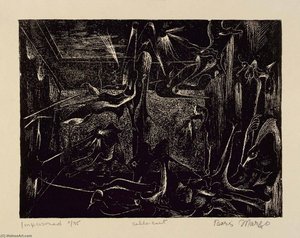
Untitled
 Etching
- Contemporary Realism
 1978
1978- Modern
 28.0 x 30.0 cm
 Museo de Kerala
 Leer más
Adquiera una imagen digital de alta resolución y optimizada, muy superior a la vista previa en línea.
Cada archivo es preparado meticulosamente por nuestros especialistas internos mediante el uso de herramientas avanzadas y un experto retoque manual. Nos aseguramos de que cada imagen posea una claridad excepcional, una precisión cromática impecable y un detalle minucioso.
El archivo final se entrega por correo electrónico en un plazo de 72 horas, optimizado para su uso inmediato en entornos profesionales, editoriales y de impresión. Esta es la misma calidad en la que confían los estudios de diseño, las editoriales y las galerías de primer nivel.
Imagen Digital
Descarga un archivo de alta resolución para exhibición personal, impresión y proyectos creativos. ( Pedir impresión Encargar reproducción pintada a mano)
Incluido en cada compra de imágenes digitales
Entrega digital experta, garantizada.
Al elegir WikiOO.org, no solo está adquiriendo una imagen; está recibiendo una obra de arte digital mejorada profesionalmente, elaborada con precisión y respaldada por una garantía de satisfacción. Esto es todo lo que incluye su pedido, automáticamente:

Entrega rápida por email
Recibirá su archivo de imagen digital en alta resolución por correo electrónico en un plazo de 72 horas tras realizar su pedido, listo para su uso inmediato.

Archivo digital optimizado por IA
Su obra de arte se optimiza profesionalmente mediante herramientas avanzadas de IA y edición manual, garantizando el máximo detalle, claridad y precisión cromática.

Reenvío gratuito de por vida
¿Has borrado o perdido tu archivo por error? No te preocupes: te lo volveremos a enviar en cualquier momento, sin coste adicional.

Sin gastos de importación, siempre
Disfrute de su obra de arte al instante sin aduanas, aranceles ni gastos de envío; las descargas digitales siempre están libres de impuestos.

Garantía de precisión de color
Garantizamos que su imagen digital refleje los colores originales con la mayor fidelidad posible, mediante el uso de herramientas profesionales y gestión del color.

Garantía de satisfacción de 60 días
Si no está satisfecho con su imagen digital, la revisaremos o le reembolsaremos el 100% en un plazo de 60 días, sin preguntas.

100% Garantía de devolución de dinero
¿No está satisfecho? Obtenga un reembolso completo dentro de los 60 días posteriores a la recepción de su archivo digital, sin necesidad de explicaciones.

Descuentos por volumen
Compra 3 imágenes, ahorra 10% - Compra 5, ahorra 15% - Compra 10+, ahorra 20%. Ideal para proyectos creativos, galerías y agencias.
Descripción del coleccionable
A Poignant Encounter in Etching
In this evocative black and white etching from 1978, the legendary Indian printmaker Somnath Hore invites us into a moment of profound human connection. The composition centers on an intimate, almost sacred embrace between two figures; a man, draped in what appears to be a simple robe or long shirt, cradles another person with a tenderness that transcends the starkness of the medium. This central interaction is framed by a quiet, domestic setting where a window and a wall provide a sense of enclosure, while a solitary potted plant in the lower corner introduces a delicate touch of nature into the somber scene. The interplay of light and shadow across the figures creates a palpable sense of weight and presence, drawing the viewer into the silent dialogue between the subjects.
The technical mastery of Hore is on full display through his signature use of meticulous hatching and cross-hatching. These fine, rhythmic lines do more than merely define form; they imbue the paper with texture and emotional depth, allowing the artist to sculpt light out of darkness. The etching technique lends a raw, visceral quality to the work, where every stroke feels like a deliberate mark of witness. This method is particularly effective in capturing the subtle nuances of the figures' expressions and the heavy atmosphere that surrounds them, making the piece feel less like a static image and more like a living, breathing fragment of history.
The Weight of History and Human Spirit
To understand this work, one must look through the lens of Somnath Hore’s profound engagement with the socio-political landscape of twentieth-century Bengal. As an artist who stood as a witness to the devastating Bengal famine and the turbulent Tebhaga movement, Hore’s oeuvre is deeply rooted in the reality of human suffering and resilience. While this specific untitled piece presents an intimate scene, it carries the echoes of his larger mission: to capture the essence of the human experience amidst hardship. The shadows within the etching can be seen as metaphors for the historical struggles that shaped his era, while the embrace serves as a symbol of enduring compassion and the strength found in solidarity.
For the discerning collector or interior designer, this reproduction offers more than just a visual element; it provides a soulful focal point for a curated space. The monochromatic palette and the sophisticated interplay of line work make it an ideal addition to a gallery wall or a minimalist study, where its quiet intensity can command attention without overwhelming the surroundings. Owning a piece that reflects such deep historical consciousness and technical brilliance allows one to bring a sense of gravity, empathy, and timelessness into a modern living environment.
Obras relacionadas



Biografía del artista
Somnath Hore: A Sculptor's Witness to Bengal’s Turbulent Century
Somnath Hore (1921 – 2006) stands as a pivotal figure in Indian sculpture and printmaking, particularly remembered for his unflinching portrayals of social realities—most notably the devastating Bengal famine of 1943 and the Tebhaga movement. Born in Kolkata, India, Hore’s artistic journey was profoundly shaped by the socio-political upheavals that defined twentieth-century Bengal, experiences he translated into powerfully expressive artworks. His distinctive style – characterized by meticulous hatching and cross-hatching techniques – served as a conduit for conveying emotion and capturing the essence of human experience amidst hardship.Early Life & Education
Details about Hore’s formative years are scarce, highlighting the challenges faced by artists operating outside mainstream academic circles during his time. He was born in Barama, Chittagong (now Bangladesh), where he experienced firsthand the hardships of poverty and displacement—influences that would permeate his artistic vision throughout his life. Despite limited formal schooling, Hore possessed an innate talent for drawing and painting from a young age, nurtured by his uncle’s encouragement. He pursued his education at Chittagong College, immersing himself in Marxist thought and actively participating in the Communist Party of India’s activities during World War II. This engagement with political ideology profoundly impacted his artistic sensibilities, fostering a commitment to social justice and documenting historical events with uncompromising honesty. His training at City College, Calcutta, under Zainul Abedin—a fellow communist artist—further honed his skills in printmaking and solidified his understanding of the role of art as a tool for social commentary.Sculptural Style & Technique
Hore’s sculptural approach was rooted in realism but imbued with a humanist sensibility. He favored stoneware clay, meticulously crafting figures that conveyed both anatomical accuracy and emotional depth. His technique involved precise hatching and cross-hatching—a deliberate choice designed to achieve tonal variations that communicated profound feeling. These techniques allowed him to depict subjects with remarkable sensitivity, capturing subtle nuances of posture and expression—details that spoke volumes about the human condition amidst adversity. He believed in conveying emotion through visual language, prioritizing honesty and empathy above stylistic conventions. This dedication to portraying human experience with unwavering sincerity cemented his reputation as one of Bengal’s most respected sculptors.The Bengal Famine & Tebhaga Movement
The Bengal famine of 1943 served as a catalyst for Hore’s artistic vision—a formative experience that instilled in him an enduring concern for the plight of vulnerable populations. Recognizing the urgent need to document the suffering endured by ordinary people during this crisis, he embarked on extensive sketching expeditions and produced sculptures that powerfully conveyed the desperation and resilience of those affected. His depictions captured the grim realities of starvation, displacement, and loss—serving as a poignant reminder of humanity’s capacity for compassion alongside its propensity for cruelty. Similarly, Hore tackled the Tebhaga movement – a peasant uprising demanding fairer land distribution – capturing its spirit of defiance and determination through evocative prints. He meticulously documented the protests, marches, and confrontations that characterized this pivotal moment in Bengali history, conveying the energy and passion of the participants with masterful precision.Notable Works & Recognition
Hore’s artistic output encompassed a diverse range of mediums—primarily woodcut, linocut, and intaglio prints—each imbued with his characteristic stylistic hallmarks. His magnum opus, “Untitled” Charcoal Drawing, exemplifies Hore’s mastery of hatching to convey emotion and explore the human form—a testament to his unwavering commitment to portraying human experience with unflinching honesty. Furthermore, "Untitled" Print powerfully captures the dynamism of the Tebhaga movement with bold lines and expressive textures, reflecting his profound understanding of social dynamics. Somnath Hore was awarded Padma Bhushan in 2005 by the Indian Government—a prestigious honor recognizing his enduring legacy as a sculptor and printmaker—solidifying his place among Bengal’s artistic luminaries. His work continues to inspire artists today, serving as a beacon of compassion and a forceful indictment of injustice.Legacy & Influence
Somnath Hore's contribution to Indian art transcends mere aesthetic beauty; it embodies a moral imperative – a dedication to confronting uncomfortable truths and advocating for the dignity of all human beings. His unwavering belief in the transformative power of art as a vehicle for social change continues to resonate with audiences worldwide. He remains an exemplar of artistic integrity, demonstrating that true artistry lies not only in technical skill but also in profound empathy and a commitment to bearing witness to history’s most harrowing moments. Hore's legacy endures as a testament to the enduring importance of confronting injustice and celebrating human resilience—a timeless message conveyed through his unforgettable sculptures and prints.
Somnath Hore
1921 - 2006 , India
Datos clave
- Artistic Movement Or Style: Social realism
- Date Of Birth: 1921
- Full Name: Somnath Hore
- Nationality: Indian
- Notable Artworks: ['Untitled']
- Place Of Birth: India


