
 Eelvaade

 Saada
 Jaga
 Teave teose kohta
 Juhend


 Laadi alla
 Sarnased teosed
 Röntgenuuring
 Slaidietendus
 KÜSIMUSED JA VASTUSID
 Statistika
Sir Thomas Gresham

- 90.0 x 76.0 cm


 Loe lähemalt
Giclée / Kunstiprint
Muuseumikvaliteediga giclée- või kangasprint kiire tootmisega ja paindlikud viimistlusvõimalused. ( Osta käsitsi maalatud teos Lülita digitaalse pildi juurde)




P118B €10

P118H €10

P118W €10

P438Z €10

P508JH €12

P508YH €12

P805H €10

P805Z €10

P919BZ €10

P919G €10

P919XJ €10

P959ZH €10

P968JZ €12

W106C €8

W218G €10

W218JH €8

W218Y €10

W307PJ €10

W316G €10

W316PJ €8

W316Y €10

W398PJ €8

W4111J €10

W500HY €15

W500JH €15

W692G €12

W849H €8

W940BG €15

W953PJ €8
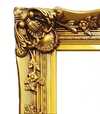
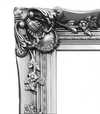
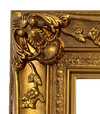
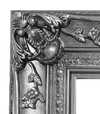
Vali meie eelmääratud suurused, mis vastavad teose algupärastele proportsioonidele.

Sisestage vajalik laius ja kõrgus, et see sobiks teie raamile või seinale. Trükki saab ainult lõigata, seda ei saa kunagi pildist suuremaks teha, seega ka erineva mustega suurus kaotab osa pildist. Enne trükkimist saadame teile kinnitamiseks digitaalse näidisprojektsiooni. Sellel lehel näidatud pilt ei kujuta reaalset lõiget — seda näitab ainult näidisprojektsioon.
Ülemaailmne tarne () 2 nädala jooksul, tavalise 4/5 nädala asemel. (19 november)

Tasuta ekspresssaatmine üle maailma

Kõrgekvaliteediline lina-kangas

Täielik transpordikindlustus

Tollimaksude tagastamise garantii

Värvitoime täpsuse garantii

100 päeva tagastusõigus (ainult valmistusdefektide korral)

100% raha tagasi garantii

Hulgusoodustus
 Klaasivalik on saadaval ainult kuni 110 cm suuruses teostes

Sir Thomas Gresham
Giclée / Kunstiprint
Reproduktsiooni suurus
-


Koguhind
€ 55
Identification of the Portrait of Sir Thomas Gresham
In this portrait, Anthonis Mor Van Dashorst captures the steady presence of Sir Thomas Gresham. The subject sits before us, a man whose influence once shaped the financial landscape of Europe. As the leading English merchant in Antwerp and the financial agent for the English king in the Low Countries, Gresham carries a weight of responsibility in his gaze. He is the man who founded the Royal Exchange and established Gresham College in London, leaving a legacy etched into the very foundations of commerce and education.
The artist, Anthonis Mor Van Dashorst, brings a meticulous eye to this likeness. Born in Utrecht, Netherlands, Mor possesses a way of rendering the individual that feels immediate and alive. This specific work dates to 1560, a moment when the sitter's social standing and professional gravity are palpable. The portrait does more than record a face; it presents a man of significant purpose, frozen in a moment of quiet, commanding authority.
Composition and Visual Details
The subject sits firmly within a chair that dominates the lower portion of the frame, anchoring the entire scene. He is dressed in a black suit, his presence marked by a stern expression and the grooming of a beard and mustache. A collar frames his face, catching the light against the dark fabric of his attire. He holds a posture of quiet authority, his gaze fixed and unyielding. The weight of his position is felt in the stillness of his seated form.
In the space surrounding him, life unfolds in layers. One figure stands directly behind him in the foreground, adding a sense of depth to the immediate circle of the subject. Further back and to the right, a second person occupies the scene, partially distanced from the central focus. This arrangement creates a structured, tiered environment that draws the eye through the social hierarchy of the room. The background reveals a brick wall and an open window, suggesting a connection to the world outside the immediate interior.
Materials and Physical Characteristics
The physical presence of this portrait is defined by its substantial scale, measuring 90 x 76 cm. Originally rendered as an oil on panel, the work carries the weight and texture of its primary medium. The artist’s brushwork captures the subtle shifts in light across the subject's features, a task made possible by the careful application of oil pigments. This specific piece is identified by the object number SK-A-3119.
Time has left its mark on the very substance of the work. While it began its life on a rigid wooden support, the painting has undergone a significant transformation. The original oil on panel was transferred to canvas, a process that alters the way the surface interacts with light and shadow. This transition from wood to fabric changes the tactile quality of the work, lending a different character to the way the colors settle upon the grain.
History and Provenance of the Artwork
The journey of this portrait through the centuries carries it through the hands of emperors and across shifting political borders. At one point in its long history, the painting resides within the private collection of Catherine the Great of Russia. It remains in these imperial circles until the political tides of the twentieth century shift the work's destiny once more. The Soviet Union holds the painting, eventually deciding to sell it to the Rijksmuseum in 1931 to secure foreign currency.
The physical life of the work has seen significant changes to ensure its survival. In 1872, the portrait undergoes a major transformation when the painting of Anne Fernely is transferred from its original panel onto canvas. This restoration marks a pivotal moment in how the work presents itself to the eye. The movement from wood to fabric alters the very substance of the piece, preserving the likeness of the merchant for future generations to witness.
Related Works by Anthonis Mor Van Dashorst
The visual narrative of this portrait finds its companion in the likeness of Anne Fernely, the wife of Gresham. As a pendant to this work, her portrait completes a shared history, capturing the presence of the woman who stood alongside the merchant. This connection links the two figures through a shared space and a shared life, creating a dual presence that speaks to their status and their union.
Mor’s brush also moved through the halls of power, capturing the regal bearing of Mary Tudor, Queen of England, in 1554. His ability to navigate the requirements of the court is evident in his service as a painter to the Spanish king. This high-level patronage allowed him to observe the nuances of nobility and the weight of authority that defined the sixteenth century.
In 1560, the artist turned his attention to Anne Fernel, the Wife of Sir Thomas Gresham. This portrait offers another window into the social fabric of the era, focusing on the character and dignity of the sitter. Through these various commissions, the artist’s hand moves between the private intimacy of a marriage and the public grandeur of royal courts.
Where to See the Artwork Today
The presence of Sir Thomas Gresham remains a constant within the halls of the Rijksmuseum in Amsterdam. Visitors find him held within this prestigious collection, where he resides as part of the museum's permanent holdings. He is identified by the object number SK-A-3119, a mark that traces his place within the museum's vast archives. To stand before him is to encounter a figure preserved through centuries of careful stewardship.
This portrait is kept in the Rijksmuseum, Amsterdam, where the quiet dignity of the subject is maintained for those who seek it. The painting exists as a physical part of the museum's curated environment, allowing the gaze of the viewer to meet the stern expression of the merchant. He remains a fixture of the Dutch institution, a silent inhabitant of the galleries in Amsterdam.
Korduvad küsimused
Millist etap Antonis Mor loomingus teos "Sir Thomas Gresham" esindab?
Antonis Mor loomingus kuulub teos "Sir Thomas Gresham" perioodi Mature Period. See etap aitab seda võrdida kunstniku teiste töödega.
Kas teos „Sir Thomas Gresham“, autor Antonis Mor on portree-, maastiku- või ruudukompositsioon?
Teose „Sir Thomas Gresham“, autor Antonis Mor vorm on Portrait. See vorm kirjeldab kompositsiooni proportsioone.
Milline värv domineerib teose „Sir Thomas Gresham“, autor Antonis Mor kompositsioonis?
Phthalo Green (#2f1c19) on teose „Sir Thomas Gresham“, autor Antonis Mor domineeriv värv.
Sarnased teosed


Kunstniku elulugu
Antonis Mor van Dashorst: Kuninglik uue vormingu maalari
Antonis Mor van Dashorst (1517–1577) seisab hollandi renessanssi portreidimeenikuna, olles oma ajastu iseloomulise täpne realism ja sügav sümbolism. Sündinud Madsatsas Utrechtes, pärines ta kunsttraditsiooniga perest, kus tema isa oli skulptuurimeister, luues see visuaalse esituse pühendunud sugukonna. Kuigi tema elulugu on kohastavalt lühike, räägib Mor'i viljakas looming tema suurest talentist ja vankast pühendumusest oma teemede olemuse tabamisel. Ta saavutas kiiresti kuuluse oma võõrust, millega suutas vääriust ja ülevõimsust portreteerida ühestõises täpsuses, pälives tellimusi mõjukatelt tegelastelt üle kogu Euroopa.Mor'i kasvuaastad ja haridus on püsivalt eerimuses, kuid tema õppimisaastad Antwerpenis olid tema kunstiliseks arenguks murdmute punkt. Õppides suure Pieter Bruegel'i õpite all, imesis ta endasse Bruegel'i meistralikku inimloodu ja maastiku observatsiooni — mõjud, mis tungisid sügavalt ka Mor'i oma kunstilisse visiooni. Antwerpeni periood oli tema kunstiliseks küpsuseks otsustav; koos teiste kunstikatega nagu Quentin Massys ja Hendrik Golse süvenes ta Flandria Vabariigi vibratilisse kunstilisse keskkonda. See kogemus kasvatas temas sügavat perspektiivi ja chiaroscuro — tehnikate mõistmist, mida ta kasutas oma portreetide valgustamiseks dramaatilise valguse ja varju vahel.
Mary Tudor valduse aeg: Põhja-renessanssi portreematerjali meistriteos
Mor'i maine tõusis drastiliselt, kui ta valmis 1554. aastal portree Inglise kuninganna Mary Tudor'ist. See monumentaalne lakan on Mor'i kunstilise võimekuse tipppunkt. Detailide rikkas täpsusega loodud teos püüab kinni Mary kuninganna kuninglikku olekut ja sisemaailmuse rahu — see on tunnistus Mor'i võimest edastada psühholoogilist nüanssi koos füüsilise sarnaseidusega. Kompositsioon on hoolikalt tasakaalustatud, kasutades piramidaalstruktuuris vormist ja peenelt draperii foldsid, et rõhutada Mary staatust ja väärikust. Lisaks loob chiaroscuro kasutamine lummavat mängu valguse ja pimeduse vahel, p _highlighting_ Mary'i nägu ja edastades solemnset suurejoonilisust. See portreet kinnitas Mor'i maine kui ühe oma aja tippportreteerijana ja on säilitanud oma staatuse Põhja-renessanssi kuningliku kunsta teosena.Kuninglik patronaas teenis Mor'i suuresti, pakkudes talle võimalust töötada koos Euroopa monarhidega, sealhulgas Hispaania kuningas II Philipiga. Need ametlikud tellimused võimaldasid tal uurida ambitsiootseid projekte ja täiendada oma stiili, kinnitades tema pärandit õinakunstnikuna. Lisaks Mary Tudor'i portreetidele tegi Mor'i palju tellimusi teemadeks prominentseid riigimehisi, diplomaate ja aristokraate. Tema eriline kunstiline stiil — mida iseloomustas täpne realism, meistralik perspektiiv ja ekspressiivne chiaroscuro — oli kohe loetav. Ta eelistas alati edastada mitte ainult välimust, vaid ka iseloomu ja emotsiooni, tõstes oma portreedid lihtsalt sarnasmustest sügavaks inimliku väärikuse avalduseks.
Mõju ja pärand
Mor'i mõju ulatus kaugele tema kaasajast. Tema täpne lähenemine portreteerimisele pani ette uue standardi järglastele, inspireerides neid püülema suuremat täpsust ja psühholoogilist sügavust. Ta toetas humanismide ideaale, mis olid renessanssi ajal valitsevad, peegeldades vankumat usk kunsti võimekuses valgustada inimkogemust. Täna Mor van Dashorst'i maalid lummavad publikut üle maailma, toimides püsivate mälestusena kunstilisest briljantsusest, mis saavutati Hollandi kuldaj aegadel — perioodil, mida iseloomustas innovatsioon, ambitsioon ja sügav austus ilu vastu.
Antonis Mor
1519 - 1575 , Madalimaad
Lühikest infot
- Artistic Movement Or Style: Renessanssi portreidimeetod
- Artists Or Movements Influenced By This Artist: ['Barokk']
- Artists Who Influenced This Artist:
- Jan van Eyck
- Rogier van der Weyden
- Date Of Birth: 1517
- Date Of Death: 1577
- Full Name: Anthonis Mor van Dashorst
- Nationality: Hollandi
- Notable Artworks:
- Kardina Granvelle kääbus
- Inglisia Nimetu Mary Tudor
- Parma hertsinniga Margaret
- Place Of Birth: Utrecht, Holland
Sarnased artiklid

Dutch Northern Renaissance painters
Masterpieces by Bosch and Brueghel define the Northern Renaissance. Explore the full collection online at WikiOO.org.