
 Eelvaade

 Saada
 Jaga
 Teave teose kohta
 Juhend


 Laadi alla
 Sarnased teosed
 Röntgenuuring
 Slaidietendus
 KÜSIMUSED JA VASTUSID
 Statistika
Composición (Composition)

- 89.0 x 116.0cm


 Loe lähemalt
Sellel lehel kuvatav kunstiteos on kaitstud autoriõigusega, mis tähendab, et meil ei ole seaduslikku õigust luua või müüa identset reproduktsiooni. Seda kaitset rakendatakse rahvusvaheliste kokkulepete alusel, nagu näiteks Berne konventsioon ning riiklike seadustega, sealhulgas nendega, mida on sätestatud USA autoriõiguse seadus – 17. peatükk.
See meetod järgib täielikult autoriõiguse reegleid, kuna see ei põhine kaitstud kunstiteose kopeerimisel või dupliteerimisel. Selle asemel on tegu loova reinterpreetatsiooniga – uue maaldisega, mis on algteosest inspireeritud, kuid ei ole sellest identiline.
Giclée / Kunstiprint
Muuseumikvaliteediga giclée- või kangasprint kiire tootmisega ja paindlikud viimistlusvõimalused. ( Osta käsitsi maalatud teos Lülita digitaalse pildi juurde)

































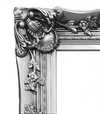
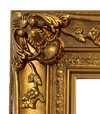

Vali meie eelmääratud suurused, mis vastavad teose algupärastele proportsioonidele.

Sisestage vajalik laius ja kõrgus, et see sobiks teie raamile või seinale. Trükki saab ainult lõigata, seda ei saa kunagi pildist suuremaks teha, seega ka erineva mustega suurus kaotab osa pildist. Enne trükkimist saadame teile kinnitamiseks digitaalse näidisprojektsiooni. Sellel lehel näidatud pilt ei kujuta reaalset lõiget — seda näitab ainult näidisprojektsioon.
Ülemaailmne tarne () 2 nädala jooksul, tavalise 4/5 nädala asemel. (20 november)

Tasuta ekspresssaatmine üle maailma

Kõrgekvaliteediline lina-kangas

Täielik transpordikindlustus

Tollimaksude tagastamise garantii

Värvitoime täpsuse garantii

100 päeva tagastusõigus (ainult valmistusdefektide korral)

100% raha tagasi garantii

Hulgusoodustus
 Klaasivalik on saadaval ainult kuni 110 cm suuruses teostes

Composición (Composition)
Giclée / Kunstiprint
Reproduktsiooni suurus
-


Koguhind
€ 55
Sarnased teosed


Kunstniku elulugu
Early Life and Artistic Training
Antonio Suárez enters the scene in Gijón, Spain, born on January 26, 1923. His early professional life begins not with a brush, but with the precision of a draftsman. He finds his footing within the architectural studio of Antonio Álvarez-Hevia, a setting where the structural logic of design meets the nascent instincts of a visual creator. This period of technical discipline provides the foundation for his later explorations of form.
The trajectory shifts as he moves toward Madrid. In these formative years, the studio becomes a shared space of creative friction and companionship. He works alongside Joaquín Rubio Camín, sharing an atelier that serves as a crucible for his developing vision. This period of shared practice marks the transition from the rigid lines of architectural drafting toward the expressive possibilities of painting.
Movements and Artistic Style
The shift toward abstraction arrives through the founding of the El Paso group. This period marks a departure from traditional models, defined by a heavy, informalist approach. The canvases from this stage lean into dark tones and restrained palettes. Surfaces appear dense and heavily worked, prioritizing the physical presence of matter and texture over mere representation. There is a constant tension between a figurative base and an increasingly abstract appearance.
As the years progress, the visual language undergoes a chromatic transformation. The darkness of the El Paso years recedes, replaced by a preference for light and soft colors. The focus shifts toward a delicate balance between light, composition, and the expressive possibilities of the medium. Even as the forms become less literal, the work maintains an emotional, internalized discourse rooted in the principles of informalism.
- Composición (1957)
Exhibitions and International Presence
The transition from local practice to international recognition accelerates in the early 1950s. After presenting his first abstract exhibition in Madrid in 1950, Suárez moves toward the center of the European avant-garde. He spends the years between 1950 and 1953 working in Paris, a period that marks his immersion into the broader currents of modernism. This exposure shifts his trajectory away from his earlier figurative foundations toward the textured, informalist language that would define his career.
His presence expands beyond the European continent. In 1963, he holds a solo exhibition in New York, bringing his specific approach to matter and light to an American audience. This period of visibility continues through his selection for major global stages. His work is featured in the Venice Biennale and the Sao Paulo Biennale, cementing his status within the international discourse of 20th-century abstraction.
Museum Collections and Legacy
The physical presence of Antonio Suárez’s work persists within major institutional frameworks across Spain and abroad. His canvases occupy space in the Museo Nacional Centro de Arte Reina Sofía, where his contributions to the evolution of Spanish abstraction are held. In his home region, the Museo de Bellas Artes de Asturias maintains his works within its permanent holdings. His influence extends to specialized institutions like the Museo de Arte Abstracto de Cuenca, ensuring his place in the history of the movement.
The reach of his practice crosses oceans and borders. His paintings are integrated into the collections of museums in San Francisco and Austin in the United States. In Europe, his work is held in Leverkusen and Bilbao. These international placements confirm his status as a central figure in the transformation of pictorial language during the second half of the 20th century. His legacy remains anchored in these diverse collections, from the academic halls of Spain to the modern galleries of the United States and Germany.

Antonio Suárez
1923 - 2013 , Spain
Lühikest infot
- Artistic Movement Or Style: Informalism, Abstract painting
- Artists Or Movements Influenced By This Artist: ['El Paso group']
- Artists Who Influenced This Artist: ['Valle y Piñole']
- Full Name: Antonio Suárez
- Nationality: Spanish
- Notable Artworks: ['Composición']
- Place Of Birth: Gijón, Spain
- Date Of Birth: 1923
- Date Of Death: 2013