
 Eelvaade
 Saada
Saada Jaga
Jaga
 Teave teose kohta
 Juhend

 Laadi alla
 Sarnased teosed
 Röntgenuuring
 Slaidietendus
 KÜSIMUSED JA VASTUSID
 Statistika
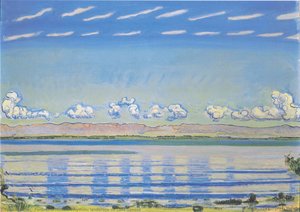
Study for

- 66.0 x 19.0 cm


 Loe lähemalt
Giclée / Kunstiprint
Muuseumikvaliteediga giclée- või kangasprint kiire tootmisega ja paindlikud viimistlusvõimalused. ( Osta käsitsi maalatud teos Lülita digitaalse pildi juurde)




P118B €10

P118H €10

P118W €10

P438Z €10

P508JH €12

P508YH €12

P805H €10

P805Z €10

P919BZ €10

P919G €10

P919XJ €10

P959ZH €10

P968JZ €12

W106C €8

W218G €10

W218JH €8

W218Y €10

W307PJ €10

W316G €10

W316PJ €8

W316Y €10

W398PJ €8

W4111J €10

W500HY €15

W500JH €15

W692G €12

W849H €8

W940BG €15

W953PJ €8




Vali meie eelmääratud suurused, mis vastavad teose algupärastele proportsioonidele.

Sisestage vajalik laius ja kõrgus, et see sobiks teie raamile või seinale. Trükki saab ainult lõigata, seda ei saa kunagi pildist suuremaks teha, seega ka erineva mustega suurus kaotab osa pildist. Enne trükkimist saadame teile kinnitamiseks digitaalse näidisprojektsiooni. Sellel lehel näidatud pilt ei kujuta reaalset lõiget — seda näitab ainult näidisprojektsioon.
Ülemaailmne tarne () 2 nädala jooksul, tavalise 4/5 nädala asemel. (12 november)

Tasuta ekspresssaatmine üle maailma

Kõrgekvaliteediline lina-kangas

Täielik transpordikindlustus

Tollimaksude tagastamise garantii

Värvitoime täpsuse garantii

100 päeva tagastusõigus (ainult valmistusdefektide korral)

100% raha tagasi garantii

Hulgusoodustus
 Klaasivalik on saadaval ainult kuni 110 cm suuruses teostes

Study for
Giclée / Kunstiprint
Reproduktsiooni suurus
-


Koguhind
€ 55
A Moment Frozen in Time: Exploring Ferdinand Hodler’s “Study for”
The painting "Study for," by Ferdinand Hodler, transcends mere depiction; it embodies a profound meditation on human existence against the backdrop of Switzerland's landscape. Executed in 1908, this artwork represents more than just a visual record—it’s a carefully crafted symbol reflecting Hodler’s preoccupation with themes of mortality and resilience. The scene unfolds in a serene field populated by thirteen individuals mounted upon horses, each armed with rifles – a juxtaposition that immediately draws the viewer into a contemplation of power dynamics and vulnerability.- Subject Matter: The composition centers around a group of men on horseback engaged in what appears to be a military exercise or perhaps a symbolic representation of courage and preparedness.
- Style: Hodler’s signature style is characterized by its distinctive blend of realism and abstraction. While the figures are rendered with meticulous detail, their forms subtly merge into the surrounding environment, creating an atmosphere of dreamlike stillness.
Historical Context: Symbolism in Fin-de-Siècle Switzerland
“Study for” emerges from the fertile soil of Swiss Symbolism, a movement that flourished during the late 1890s and early 1900s. Influenced by Nietzschean philosophy and Wagnerian opera, Symbolist artists sought to express inner realities beyond the confines of observable phenomena—to tap into universal truths through evocative imagery and suggestive color combinations. Hodler’s work aligns perfectly with this aesthetic impulse, prioritizing emotional impact over literal representation.Symbolic Layers: Mortality and Resilience
The rifles held by the riders are not simply weapons; they represent a confrontation with death—a deliberate acknowledgement of human vulnerability amidst the grandeur of nature. Yet, simultaneously, the posture of the figures conveys an unwavering spirit of determination. Hodler’s masterful use of color and form underscores this duality, capturing the essence of existential contemplation. The horses themselves symbolize stability and endurance, mirroring the human desire to persevere despite adversity.- Emotional Impact: “Study for” evokes a feeling of quiet solemnity—a poignant reminder of our mortality tempered by an appreciation for beauty and strength.
Korduvad küsimused
Millist kintust ja intensiivsust „Study for“, autor Ferdinand Hodler näitab?
Teose „Study for“, autor Ferdinand Hodler värvitoit on Muted kütkusega ja Balanced intensiivsusega.
Millist tehnikat teose „Study for“, autor Ferdinand Hodler valmistamisel kasutati?
Teose "Study for" loomisel kasutas Ferdinand Hodler Acrylic tehnikat. See tehnika määrab originaalteose materjalilise olemuse.
Kas "Study for" on üks Ferdinand Hodler populaarsemaid teoseid?
Teose „Study for“, autor Ferdinand Hodler registreeritud populaarsusaste on Recognized.
Sarnased teosed




Kunstniku elulugu
Surma arhitektuur
Ferdinand Hodler sündis Šveitsis, Bernis aastal 1853 ning tema varajased aastad olid määratletud vaikse ja püsiva kadunäiduga. Enne tema noorehood, kust võtsid elu oma alla tuberkuloos, jäeti tema isa ja kaks nooremat brotherlise koduperhe tühimikku. See varane kohtumine kaotusega sai tema loomingus korduvaks motiiviks – varjuks, mis kaasas teda alates tema õpilasajastu vaatustest kuni professionaalse karjääri tipphetkideni. Ta alustas oma harjutamist dekoratiivmaljri kui õpilasena, aidates oma võimendatisaega kaubanduslike reklaaditööde tegemisel; see praktiline haridus andis talle täpse kontrolli joone ja vormi üle. See käsitöömeistrilik alus pakkus tehnilist rangust, mis toetaks hiljem tema sügavamaid filosoofilisi uurimusi.
Tema otsust Genfist lahkumiseks aastal 1871 märkis eemaldumist tema noorepedea komersiaalsetest kohustustest. Linnas otsis ta kunstiga sügavamat seost, osales teaduskursil ja kopeeris kohalikus muuseumis meistrite teoseid. Just siin algas tema liikumine eemale oma varajaste maastikude ja portreetide täpiks realismist. Ta ei olnud enam rahul pelgalt Šveitsi Alpe vaatuse või portreti sarnase nägu kopeerimisega; ta püüdis tabada olemasolu alasiisid rütme. See üleminek objektiivsest subjektiivsesse viis ta lõpuks arendama täiesti oma, unikaalse visuaalse keele juurde.
Parallelismi loogika
Hodleri kõige olulisem panus kaasaegse maali kunstile oli tema teooria parallelismist. See ei olnud pelgalt kompositsiooniline tehnika, vaid viis maailma nägemiseks kui rütmiliste ja omaga seotud mustrite sarjana. Ta jälgis, kuidas looduse vormid – mäe skraai, inimese limbuse kouru või peegeldus vees – peegeldavad sageli ühist, struktureeritud ja geomeetrilist harmoonia. Korralis esindajaid ja maastikuelemente sellistesse korduvkiiskadesse rütmidesse, üritas ta kujutada struktuurset korda, mida ta uskus reguleerivat looduse maailma. See lähenemine võimaldas tal sillata kurviku ja emotsionaalse seisundi vahel, ühendades füüsilise reaalsuse ja vaataja sisemise kogemuse.
Tema tööd asetasid sageli koha sümbolismi ja struktureeritumma, kaasaegsema tundlikkuse vahel. Teosena Öö, mis valmis aastal 1890, uuris ta puhkeoleku ja surma teemasid horisontaalselt väljas kaanitud figuuride kaudu, mikä oli tolgo ajaliseks maitseks väljakutse. Tema võime segada klassikalist vormi kaasaegse, peaaegu struktuurse intensiivsusega on nähtav teoses Truth II (1897). Ta ei tugenud oma kaasaeglaste segisele pintslitööle; selle asemel kasutas ta teadlikult vaigastatud okeride, pruunide ja roheliste toonide palettrat, et luua püsivuse ja massilisuse tunnet. Tema lerrid ei olnud pelgalt aken vaatepunkti, vaid organiseeritud keskkonnad, kus inimvaim ja maastik olid ühendatud ühise geomeetria abil.
Elu maastikudes
Šveitsi maastik jäi tema loomingulisel tegevusel pidevaks kaaslaseks, eriti Alpi mäegrandus. Ta ei vaatanud neid mägesid vaid topograafiliste elementidena, vaid vaimsete entiteetidena. Tema kirjeldused Eigerist, Mönchist ja Jungfraust või vaated Dents du Midist peegeldavad soovi tõlkida mägede massilisust emotsionaalse resonantsi keelde. Ta kasutas sageli kihistamist, rakendades õhukeid värvilaigusid paksu impasto kohale, et saavutada spetsiifiline luminosentsus, eriti oma hiljaegistes uurimistes Genefi järve kohal. Need teosed demonstreerivad atmosfääri meisterlikkust, püüdes tabada Alpi valguse eeterilist kvaliteeti, ohverdamata ikka maastiku struktuurset terviklikkust.
Kuni oma surmani Genfis aastal 1918 oli Hodler loonud end Šveitsi kunsti ajaloo keskseks figuuriks. Tema mõju on nähtav ekspressionismi arenduses, kuna tema rõhk subjektilisele emotsioonile ja rütmile pakkus aluse neile, kes soovisid liikuda väljaspool traditsioonilist esitust. Ta jäi sügava psühholoogilise sügavusega maalikuks, kasutades oma käsitluskasutusi, et seisata silmitsi elu ja surma põhiliste küsimustega. Tema pärand on leetav måodil, kuidas ta sundis vaatajat vaatama läbi maailma pinna, et leida need vaiksed, korduvad mustrid, mis seda ühendavad.

Ferdinand Hodler
1853 - 1918 , Šveits
Lühikest infot
- Artistic Movement Or Style: Sümbolism, Parallelism, Realism
- Artists Or Movements Influenced By This Artist: ['Ekspressionism']
- Artists Who Influenced This Artist:
- Alexandre Calame
- Dürer
- Gustave Courbet
- Hans Holbein
- Titian
- Poussin
- Velázquez
- Barthélemy Menn
- Date Of Birth: 1853
- Date Of Death: 1918
- Full Name: Ferdinand Hodler
- Nationality: Šveitsi
- Notable Artworks:
- Öö
- Päev
- Tõde II
- Luule
- Place Of Birth: Bern, Šveits
Sarnased artiklid

Mastering Parallelism: The 25 Most Iconic Artworks by Ferdinand Hodler
Immerse yourself in the rhythmic beauty of Ferdinand Hodler. Explore 25 iconic masterpieces of Swiss Symbolism and Parallelism. From evocative landscapes to profound portraits, find inspiration for museum-quality art reproductions. Discover all masterpieces on WikiOO.org.

Ferdinand Hodler: Symbolism, Parallelism & the Quest for Universal Harmony
Explore the captivating world of Ferdinand Hodler, Swiss Symbolist painter renowned for his evocative landscapes & pioneering 'parallelism'. Discover his life, key works, and lasting influence on art history. Own a hand-painted reproduction today!

Mastering Parallelism: The 25 Most Iconic Artworks by Ferdinand Hodler
Immerse yourself in the rhythmic beauty of Ferdinand Hodler. Explore 25 iconic masterpieces of Swiss Symbolism and Parallelism. From soulful landscapes to profound portraits, find inspiration for your collection with museum-quality reproductions. Discover all masterpieces on WikiOO.org.

Mastering Parallelism: The Top 25 Essential Artworks by Ferdinand Hodler
Explore 25 iconic Ferdinand Hodler masterpieces and his unique Parallelism style. Discover the full collection on WikiOO.org.

Mastering Parallelism: The 25 Greatest Artworks by Ferdinand Hodler
Immerse yourself in the rhythmic beauty of Ferdinand Hodler. Explore 25 iconic masterpieces of Swiss Symbolism and Parallelism, from emotive landscapes to profound portraits. Find museum-quality art reproductions for your decor. Discover all masterpieces on WikiOO.org.


