

 Eelvaade
 Saada
Saada Jaga
Jaga
 Teave teose kohta
 Juhend

 Laadi alla
 Sarnased teosed
 Röntgenuuring
 Slaidietendus
 Statistika
Supporting material

 Loe lähemalt
Hankige trükiivaldatav fail, mis on kvaliteedilt palju parem kui veebilehel näidatud eelvaade. Kõik meie müüdavad digitaalsed pildid pärinevad meie arhiivist kõrge resolutsiooniga originaalfailidest — tavaliselt 5000 kuni 15 000 pikslit laiust — nii et saate julgelt trükida suurematsat, lüüdist teha või detailset sisu reproduktsiooni teha.
Meie stuudiost ei lahtu ükski fail puutumatuna. Digiekpert võrdleb värve algsest maalistimusega ja vajadusel korrigeerib neid, seejärel parandab selgust ja detaile professionaalsete retušimisvahendite abil — püüdes alati jääda truudeks kunstniku pintoonile ja stiilile. Tulemuseks on pilt, mis näeb välja nagu maali, mitte nagu filtreeritud skann.
Teet kinnituse enne lõplikku valmimist: meie ekspert saadab pildi 72 tunni jooksul e-posti ülevaatamiseks. Ei ole rahul? Paluge parandusi või korrektsioone ning kui kvaliteet ei vasta ootustele, võite paluda tagastamist.
See on kvaliteet, millele tuguvad väljaandjad, disainistuudiod, galeriid ja trükikoda.
Digitaalne kunstiteos
Laadi alla kõrge resolutsiooniga fail isiklikuks vaatamiseks, trükkimiseks ja loomingulisteks projektideks. ( Lülita trükkitoodetele Osta käsitsi maalatud teos)
Sisse kuulub iga digitaalse pildi tellimusega
Eksperdi digitaalne kohaletoimetamine, garanteeritud
Valides WikiOO.org, ei saa sa lihtsalt pilti – saad professionaalselt parandatud digitaalse teose, mida on valmistatud täpsusega ja mis on toetatud rahuldamatusgarantiiga. Siin on kõik, mis sinu tellimusega automaatselt kaasneb:

Kiire digitaalne edastus
Teie kõrge resolutsiooniga digitaalne pildifail saadetakse teile e-posti 72 tunni jooksul pärast tellimist – kohe kasutamiseks valmis.

Tehisintellektiga täiustatud digitaalne fail
Teie teos on professionaalselt optimeeritud arenenud tehisintellekti tööriistade ja käsitsi redigeerimise abil, tagades maksimaalse detailitaseme, selguse ja värvitäpsuse.

Tasuta eluaegne uuesti saatmine
Kas kustutasid faili kogukalu unustamisel või kustutamisel? Puudub mure – saad selle uuesti igal ajal ilma lisatasuta.

Puuduvad importimaksud – alati
Nautige oma teoseid koheselt ilma tolli-, maksude või tarnimaskuludeta – digiletchargused on alati maksuvabadud.

Värvitäpsuse garantii
Me tagame, et teie digitaalne pilt kajastaks originaali värve professionaalsete tööriistade ja värvihalduse abil võimalikult täpselt.

100 päeva rahuldamatuse garantii
Kui te ei ole oma digitaalse pildi eest rahul, siis me parandame seda või tagastame 100% summast 100 päeva jooksul – küsimusteta.

100% raha tagastamise garantii
Ei ole rahul? Saate täielise tagastaja 100 päeva jooksul pärast digitaalse faili kättesaamist – ilma küsimusteta.

Suurema tellimuse soodustused
Osta 3 pilti, säästa 10% - Osta 5, säästa 15% - Osta 10+, säästa 20%. Sobib suurepäraselt loomingulisteks projektideks, galeriideks ja agentuurideks.
Sarnased teosed

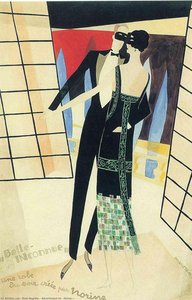


Kunstniku elulugu
Fortunato Depero: Pioneer of Futurist Art
Fortunato Depero (1892-1960) stands as a monumental figure in the history of Italian Futurism and modern art, embodying its radical experimentation with form, color, and concept. Born in Malosco, Italy, he possessed an innate artistic talent that blossomed amidst the turbulent intellectual landscape of early 20th century Europe. His formative years were spent in Rovereto, where he apprenticed as a marble worker—a craft that instilled in him meticulous attention to detail and an understanding of material texture—skills which would later translate into his groundbreaking sculptural endeavors.- Early Influences: Depero’s artistic sensibilities were profoundly shaped by the burgeoning avant-garde movement, particularly the writings of Filippo Tommaso Marinetti, whose manifesto ignited the fervor for Futurism in 1913. This encounter spurred him to embark on a transformative journey to Florence, where he discovered the influential journal *Lacerba*, solidifying his commitment to futurist ideals.
- The Birth of Futurist Expression: Inspired by Marinetti’s vision of speed, dynamism, and technological advancement, Depero swiftly joined forces with Giacomo Balla in 1915, co-authoring the seminal *Manifesto Ricostruzione Futurista dell'Universo*, which articulated the core tenets of the movement. This manifesto championed a rejection of traditional artistic conventions in favor of embracing new mediums and techniques—a stance that would define Depero’s entire artistic trajectory.
Sculptural Achievements & Casa d'Arte Futurista
Depero’s sculptural output demonstrated his mastery of innovative materials and processes. He experimented with wood, papier-mâché, and other unconventional mediums to create sculptures that mirrored the futurist preoccupation with movement and fragmentation. Simultaneously, he established *Casa d'Arte Futurista* in Rovereto (1919), a collaborative venture dedicated to producing toys, tapestries, and furniture imbued with the spirit of Futurism—a bold undertaking that cemented his role as a champion of experimental art production.- Innovative Materials & Techniques: Depero’s sculptures weren't merely aesthetically striking; they represented a deliberate challenge to established sculptural traditions. He embraced techniques like assemblage and collage, incorporating found objects and repurposed materials into his artworks—a characteristic that reflects the futurist ethos of repurposing and transforming existing elements into something new.
- Casa d'Arte Futurista’s Impact: The Casa d'Arte Futurista served as a crucible for artistic experimentation and fostered a vibrant community of artists committed to pushing the boundaries of creative expression. It became synonymous with the visual language of Futurism, disseminating its ideas through tangible objects that captivated audiences worldwide.
Graphic Design & The Bolted Book
Beyond sculpture, Depero excelled as a graphic designer, producing posters, illustrations, and typographic compositions that epitomized the futurist aesthetic. His collaboration with Dina Moschella on stage designs for ballet productions showcased his ability to synthesize visual elements into immersive theatrical experiences. However, Depero’s most enduring contribution to art history resides in *Il Libro Volante*—the “Bolted Book”—created in 1927 for the publisher Dinamo-Azari. This groundbreaking publication utilized a revolutionary binding technique that incorporated bolts and rivets—a deliberate visual metaphor for speed and mechanical precision—effectively encapsulating the futurist preoccupation with technology and disrupting conventional notions of bookmaking.- The Bolted Book: A Conceptual Breakthrough The Bolted Book wasn’t simply a decorative object; it represented a conceptual leap forward, questioning established artistic hierarchies and asserting the primacy of visual impact over textual content. Its innovative construction served as a powerful emblem of Futurism's rejection of academic formalism and its embrace of disruptive experimentation.
- International Recognition: Depero’s graphic designs gained considerable acclaim internationally, appearing in publications such as *Moviemaker*, *The New Yorker,* and *Vogue*. His work for iconic venues like Rockefeller Center further solidified his reputation as a visionary artist who anticipated the stylistic trends of the mid-century modern era.
Legacy & Historical Significance
Fortunato Depero’s artistic legacy extends far beyond his immediate contemporaries, influencing subsequent generations of artists and designers. His unwavering commitment to experimentation—his willingness to challenge conventions and embrace new materials and techniques—established him as a pivotal figure in the development of modern art. He remains an exemplar of artistic courage and intellectual curiosity, reminding us that true innovation requires a fearless pursuit of uncharted creative territories. Depero’s work continues to inspire artists today with its bold visual language and its enduring celebration of dynamism and technological progress.
Fortunato Depero
1892 - 1960 , Italy
Lühikesed faktid
- Full Name: Fortunato Depero
- Nationality: Italian
- Date Of Birth: 1892
- Date Of Death: 1960
- Place Of Birth: Malosco, Italy
- Notable Artworks:
- Ploughing
- Serie di n. 8 rinoceronti
- Supporting Material
- Artistic Movement Or Style: Futurism
- Artists Who Influenced This Artist: ['Filippo Tommaso Marinetti']
- Artists Or Movements Influenced By This Artist: ['Cubism']
