

 Eelvaade
 Saada
Saada Jaga
Jaga
 Teave teose kohta
 Juhend

 Laadi alla
 Sarnased teosed
 Röntgenuuring
 Slaidietendus
 KÜSIMUSED JA VASTUSID
 Statistika
Vaata lähemalt
Iga detail, käsitsi maalitud
James Ensor's "Attributes of the Studio" captures Expressionist chaos with masked figures and symbolic elements. Explore this haunting, large-scale painting’s layered meanings and artistic influences – a masterpiece by Belgian artist James Ensor.
i.
Stseeni süda.
ii.
Valgus ja taust
iii.
Põhikujunduse pintitraomid.
Maal
A Window into a Troubled Soul: James Ensor's *Attributes of the Studio*
James Ensor’s 1889 painting, *Attributes of the Studio*, isn’t merely a depiction of a domestic scene; it’s a visceral plunge into the artist’s own complex and often unsettling psyche. This large-scale oil on canvas immediately commands attention with its vibrant, almost jarring palette – deep reds, blues, and greens clash against muted browns and yellows, creating an atmosphere thick with unease and suppressed emotion. The composition is deliberately chaotic, figures overlapping and merging in a way that suggests a mental landscape struggling to maintain order. It’s a scene brimming with life, yet profoundly unsettling, hinting at hidden anxieties and unspoken tensions.
Ensor, born in Ostend, Belgium, in 1860, was a pivotal figure in the burgeoning Expressionist movement, though he often resisted easy categorization. His work consistently explored themes of mortality, masquerade, and the darker aspects of human nature – subjects frequently informed by his childhood spent amidst the vibrant, slightly macabre atmosphere of carnival celebrations. *Attributes of the Studio* perfectly encapsulates this preoccupation with the grotesque and the unsettling; it’s a portrait not just of a room, but of a mind grappling with its own demons.
Expressionist Techniques: Distortion and Emotional Resonance
The painting's power lies in Ensor’s masterful manipulation of artistic technique. He employs bold brushstrokes and deliberately distorted forms to convey a sense of disorientation and emotional intensity. The figures aren’t rendered with photographic realism; instead, they are stylized and exaggerated, their faces often obscured by masks or shadowed expressions. This distortion isn't merely decorative; it serves as a conduit for the artist’s subjective experience – a way to externalize his inner turmoil. Notice particularly the woman holding the baby: her face is partially hidden, her posture conveying both tenderness and a subtle hint of despair. The two chairs and the dining table in the background are rendered with an almost childlike simplicity, further emphasizing the painting's unsettling quality.
Ensor’s use of color is equally significant. He eschews naturalistic hues, opting instead for intense, symbolic colors that amplify the emotional impact of the scene. The reds and yellows, often associated with passion and danger, dominate the composition, while the blues and greens evoke feelings of melancholy and isolation. This deliberate manipulation of color contributes to the painting’s overall sense of unease and psychological depth.
Symbolism and Narrative Layers
Beyond its immediate visual impact, *Attributes of the Studio* is rich in symbolism. The central image of a woman holding a baby immediately evokes themes of motherhood, nurturing, and vulnerability – yet these familiar symbols are presented within a context of profound uncertainty. The presence of masks—a recurring motif in Ensor’s work—suggests the idea of hidden identities and concealed emotions. The gathering itself feels like a carefully constructed facade, concealing deeper anxieties and unresolved conflicts. It's a scene ripe with narrative possibilities, inviting viewers to speculate about the relationships between the figures and the unspoken stories that lie beneath the surface.
Furthermore, the painting’s connection to broader artistic currents—particularly Ensor’s engagement with Expressionism alongside artists like Picasso and Munch—highlights its place within a wider movement dedicated to exploring the subjective emotional experience. The chaotic composition mirrors the turbulent inner worlds depicted by these contemporaries, reflecting a shared interest in capturing the raw intensity of human feeling.
A Timeless Exploration of Inner Turmoil
*Attributes of the Studio* remains a profoundly affecting work of art, offering a rare glimpse into the mind of a troubled genius. It’s a painting that rewards careful observation and invites repeated viewing, revealing new layers of meaning with each encounter. Whether you are an art historian, a collector seeking a unique addition to your collection, or simply someone drawn to emotionally resonant artwork, this piece offers a compelling testament to James Ensor's artistic vision and his ability to translate the complexities of human experience onto canvas.
Korduvad küsimused
Kust saan leida statistikat teose „Attributes of the Studio“, autor James Ensor kohta?
Teose „Attributes of the Studio“, autor James Ensor statistika on saadaval teose lehel Statistika: teose kuukaudsed külastused, kunstniku teoste külastused ning viimaste külastajate riikide ja keelte jaotus.
Kas „Attributes of the Studio“, autor James Ensor kuulub nõutudud Expressionism teostega?
Teos „Attributes of the Studio“, autor James Ensor on klassifitseeritud tasemele Recognized ning kuulub Expressionism suunasse.
Kes on teose "Attributes of the Studio" autor ja millises stiilis see on kujutatud?
Teose "Attributes of the Studio" taga on kunstnik James Ensor ja Expressionism suundumus.

James Ensor
1860 - 1949, Belgium
Maalari teos
James Ensor oli Belgia maalikunstnik ja graafik, kes tunnetaan erityisesti häikäisevästä groteskista kuvastuksestaan sekä karnevaalimaskeista että luurangosta. Hän oli ekspressionismi ja surrealismi liikkeen varhainen pioneeri ning jätkus kunstilinnakena maailmale suurteoseksi.
Kunstniku elulugu
James Ensor: A Pioneer of Modernism
James Sidney Edouard, Baron Ensor (Ostend, 13 April 1860 – 19 November 1949) was a Flemish-Belgian painter and printmaker, an important influence on expressionism and surrealism who lived in Ostend for almost his entire life. He was associated with the artistic group Les XX.
Early Life and Artistic Training
James Ensor’s father, James Frederic Ensor, born in Brussels to English parents, was a cultivated man who studied engineering in England and Germany. Ensor's mother, Maria Catharina Haegheman, was Belgian. Ensor himself lacked interest in academic study and left school at the age of fifteen to begin his artistic training with two local painters. From 1876, he attended drawing lessons at the College of the Blessed Virgin in Ostend.
The Impressionist Influence and Initial Works
Ensor’s early paintings reflected a more traditional approach, depicting scenes of everyday life rendered in somber tones. Works like *Russian Music* (1881) and *The Drunkards* (1883) reveal a nascent talent grappling with realism, but even within these early pieces, hints of the unsettling imagery to come are present. A pivotal shift occurred as Ensor’s palette brightened and his subject matter grew increasingly bizarre. He began to populate his canvases with carnivals, skeletons, puppets, and allegorical figures—a world steeped in fantasy and often bordering on the grotesque. This wasn't merely a stylistic change; it was a deliberate exploration of the darker aspects of human existence, a rejection of societal norms, and an embrace of the irrational.
Les XX and Artistic Innovation
In 1883 Ensor, along with a few older students of the Brussels‘ academy, would take leave of the artists‘ association *L'Essor*. They established the artists‘ association* Les Vingt*. This will play an important role in the dissemination of various international *avant-garde* movements. Ensor’s father’s shop in Ostend was a main purveyor of carnival paraphernalia, and this fascination would permeate his artwork.
Major Paintings and Recurring Themes
Throughout his career, Ensor produced a series of works that continue to shock and fascinate audiences today. *The Scandalized Masks* (1883) stands as an early testament to his fascination with the power of disguise and its ability to reveal hidden emotions. Perhaps his most controversial work, *Christ’s Entry into Brussels* (1888-1889), remains a powerful satire of religious hypocrisy and societal indifference—a painting initially met with harsh criticism but now celebrated as a masterpiece. The unsettling image of Christ entering a city teeming with grotesque masked figures is a potent commentary on the disconnect between spiritual ideals and human behavior.
Legacy and Influence
James Ensor was recognized as a pivotal figure in the transition from 19th-century Symbolism to early 20th-century Expressionism and Surrealism—a true pioneer of modern art. His fearless exploration of the subconscious, his embrace of grotesque imagery, and his rejection of academic conventions paved the way for future generations of artists who dared to challenge artistic norms. He is remembered as a visionary artist whose uncompromising vision continues to inspire contemplation and debate.
Kiirinfo James Ensor kohta
- Artistic Movement Or Style: Expressionism, Surrealism
- Artists Who Influenced This Artist:
- Bruegel the Elder
- Francisco Goya
- Whistler
- Date Of Birth: April 13, 1860
- Date Of Death: November 19, 1949
- Full Name: James Sidney Edouard Ensor
- Nationality: Belgian
- Notable Artworks:
- The Scandalized Masks
- Skeletons Fighting...
- Christ's Entry into Brussels
- Place Of Birth: Ostend, Belgium


Käsitsi valmistatud õlimaalireproduktsioon
Tellage maalata teie jaoks
Käsitsi valmistatud õlimaalireproduktsioon
Meie kunstnike poolt tellimusel valmistatud käsitsi maalitud õli-kainaste teos teie soovitud suuruses ja raamis. ( Lülita trükkitoodetele Lülita digitaalse pildi juurde)

Teie tellimus

Attributes of the Studio
Reproduktsiooni tehnika
Reproduktsiooni suurus
-

Eelistatud tippkunstnik
Rohkem detaile, peenust ja lisatootmisaega
-

Reproduktsiooni raamivalikud
-
-
Kunstiteoste või reproduktsioonide puhul, mille üks külg on üle 105 cm (umbikmolt 41 tolli), saadetakse raam kirjal asendis, la Dismantlitud komplektina. See meetod tagab ohutuse kohaletoimetamisel ja väldib transpordil tekkivaid kahjustusi.
Vajalik professionaalne kokkupanek – see ei ole isetegevusega valmistamiseks mõeldud toode.
Komplekt tuleb kokku panna ja lõvet pingutada kogemusega professionaalse raamija, kasutades puiduliim (ei kuulu komplekti), lõvetpingi ja klempe, et hoida raami kande mustad õigena liimi kuivamisaja jooksul. Vale kokkupanek või ebaühtlane lõvetping võib kunstiteost püsivalt kahjustada ning seda
 Kunstiteoste või reproduktsioonide puhul, mille üks külg on üle 105 cm (umbikmolt 41 tolli), saadetakse raam kirjal asendis, la Dismantlitud komplektina. See meetod tagab ohutuse kohaletoimetamisel ja väldib transpordil tekkivaid kahjustusi.
Kaasatud on kõik tahked puidust liistud, täpselt lõigatud vastavaks suuruseks.
Kokku panemiseks kasutatakse lisatud kruvisid ning nurkade liimamiseks vajalikku puuliima, mida ei ole komplektis ja mida peab raamivalmistaja ise hankima.
Vajalik on kasutada professionaalseid tööriistu, mis ei kuulu komplekti: lõvetelapide pingist (pingutaja) ja klambreid, et hoida raami puidu nurgas õigena liimi kuivamisaja jooksul.
Oluline:
Nurgaliimamiseks on vaja puiduliim, liimimine peab toimuma klempide all kuni liim on täielikult kuivanud ning kokku monteeritud raami kanga pingutamiseks on vajalik kanga pingutustang. Kumbki neist ei kuulu komplekti. Palun veenduge enne selle suuruse tellimist, et teil on saadaval kogenud professionaalne raamistaja.

Nimesildikiri
-
-

Kaitsevärnitsus
Läikiv lakk (muudab värvid elavamaks ning kaitseb valgust ja niiskust eest)
-

Kohanda oma teost
Näiteid muudatuste kohta: Asenda nägu kliendi fotoga; Lisa lemmikloom (nt asenda kass koeraga); Lisa taustale peidetud sõnum; Muuda tausta maastikku või elemente.
-

Kiire tarne
Ülemaailmne tarne riiki 3–4 nädalaga tavalise 5 nädala asemel. (3 november). Kvaliteedis kompromisse ei tehta.
-
Kiirsaatmine
Ülemaailmne tarne () 5 nädala jooksul. (10 november).
Sisse kuuluv
Koguhind
€ 236
Klaasivalik on saadaval ainult kuni 110 cm suuruses teostes
i.
Skaal
Libistage seina vastu: iga suurus säilitab originaali proportsioonid.
Vali meie eelmääratud suurused, mis vastavad teose algupärastele proportsioonidele.

Sisestage vajalik laius ja kõrgus, et teos sobiks teie raamile või seinale. Kuna tegu on käsipainatud teosega, siis erineva kujuga suuruse korral võib kunstnik jätta pildi ümber veidi rohkem marginaali või lõigata osa ära — valik on teie. Enne maali alustamist saadame teile kinnitamiseks digitaalse näidisprojektsiooni. Sellel lehel näidatud pilt ei kajasta tegelikku tulemust — seda näitab ainult näidisprojektsioon.
 Loe lähemalt
ii.
Raam
Raam on maali peale joonitud vastavalt selle tegelikule laiendusele.
Raamitud

Valge serv €1

häguse servaga lõppviimistlus €1

Laiendatud €1

P118B €10

P118H €10

P118W €10

P438Z €10

P508JH €12

P508YH €12

P805H €10

P805Z €10

P919BZ €10

P919G €10

P919XJ €10

P959ZH €10

P968JZ €12

W106C €8

W218G €10

W218JH €8

W218Y €10

W307PJ €10

W316G €10

W316PJ €8

W316Y €10

W398PJ €8

W4111J €10

W500HY €15

W500JH €15

W692G €12

W849H €8

W940BG €15

W953PJ €8

H24-GOLD €30

H24-SILVER €30

H36-GOLD €45

H36-SILVER €45
iii.
Tee see oma yours
Käsitsi valmistatud maali saab teha just ühe inimese jaoks.
Pärast tellimust saadetab WikiOO.org meeskond klientile e-posti juhised ning esitab ette tasandatud eelvaate
iv.
Viimistlus
Nimeplaat, lakk ja kohaletoimetamine.
Nimesildikiri
Graveeritud pronksplaadi üksikasjad
This elegant plaque features the artist's name and the title of the artwork, finely engraved for a timeless presentation.
It is made from bronze with a refined, elegant finish. The text is precisely laser-engraved for a sharp and permanent result. Measuring 9x2 cm, the plaque is compact yet easy to read. It's built to be durable and scratch-resistant, offering a professional, museum-quality look. Mounting is simple thanks to the included adhesive backing.
Läbipaistva akrüülplaadi üksikasjad
The plaque includes essential engraved details such as the artist's name, the title of the artwork, the date it was created, the type of media used-like oil on canvas or watercolor-a brief description of the piece, and a QR code that links to the complete artwork information.
It is crafted from clear acrylic, offering a sleek, modern appearance. The text is UV-engraved in black to ensure strong visual contrast. With a size of 10x15 cm, it ensures optimal readability. It comes equipped with two metal hooks for secure wall mounting. The plaque is designed to be weather-resistant, making it suitable for various environments, and it includes interactive features that work seamlessly with smartphone scanning.
Musta akrüülplaadiรายละเอียด (Note: The user provided "Musta akrüülplaadi detailid" as the current translation and asked for an improved version. Since "Musta akrüülplaadi
This elegant plaque includes engraved information such as the artist's name, the title of the artwork, the date it was created, the type of media used (like oil on canvas or watercolor), a short description of the artwork, and a QR code for quick access to more information.
The plaque itself is made from refined black acrylic with a premium finish. The text is laser-engraved in white for high contrast and readability. Its size is 10x15 cm, designed to be easy to read. It comes with two metal hooks for professional mounting. The design is sleek and fits any interior style. It is also weather-resistant and durable, with built-in digital integration for mobile compatibility.
Kaitsevärnitsus
Kiire tellimus
Maailmline tarne 3–4 nädala jooksul tavalise 5 nädala asemel. (3 november). Kvaliteedis kompromisse ei tehta.
- Tasuta ekspresssaatmine üle maailma
- Kõrgekvaliteediline lina-kangas
- Täielik transpordikindlustus
- Tollimaksude tagastamise garantii
- Värvitoime täpsuse garantii
- 100 päeva tagastusõigus (ainult valmistusdefektide korral)
- 100% raha tagasi garantii
- Hulgusoodustus


Kiired faktid ja kunstiviktoriin
Sarnased artiklid

Masterpieces of the English Countryside: Top 25 Sir Alfred James Munnings Artworks
Explore 25 iconic Sir Alfred James Munnings masterpieces. Discover timeless equine art on WikiOO.org.
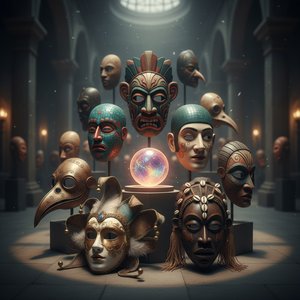
Unveiling the Mystery: A Journey Through the World's Most Iconic Mask Artworks
Embark on a profound journey through the world's most iconic mask artworks. Explore the spiritual depth, intricate craftsmanship, and rich cultural heritage of global traditions, from Chhau to Gomira, in this expert-led exploration of ancestral artistry and symbolic beauty.

James Abbott McNeill Whistler: 25 meistriteost kunstikollektsioonis | WikiOO.org
Avastage James Abbott McNeill Whistler'i 25 võrratut meistriteost! Sukelduge esteetilisse kunstimaailma, õppige tema maalitehnikatest ja leidke täiuslik seina kaunistus WikiOO.org-ist. Kunstikollektsioonid & reprodutsioonid.

James Ensor's Grotesque Visions: Social Commentary & Artistic Innovation
Explore the unsettling yet captivating world of James Ensor, a pioneer of Expressionism. Discover his satirical masterpieces, symbolic imagery & lasting influence on modern art. High-quality reproductions available at WikiOO.
Sarnased teosed


