

 Eelvaade
 Saada
Saada Jaga
Jaga
 Teave teose kohta
 Juhend

 Laadi alla
 Sarnased teosed
 Röntgenuuring
 Slaidietendus
 Statistika
untitled (4917)


 Loe lähemalt
Sellel lehel kuvatav kunstiteos on kaitstud autoriõigusega, mis tähendab, et meil ei ole seaduslikku õigust luua või müüa identset reproduktsiooni. Seda kaitset rakendatakse rahvusvaheliste kokkulepete alusel, nagu näiteks Berne konventsioon ning riiklike seadustega, sealhulgas nendega, mida on sätestatud USA autoriõiguse seadus – 17. peatükk.
See meetod järgib täielikult autoriõiguse reegleid, kuna see ei põhine kaitstud kunstiteose kopeerimisel või dupliteerimisel. Selle asemel on tegu loova reinterpreetatsiooniga – uue maaldisega, mis on algteosest inspireeritud, kuid ei ole sellest identiline.
Giclée / Kunstiprint
Muuseumikvaliteediga giclée- või kangasprint kiire tootmisega ja paindlikud viimistlusvõimalused. ( Osta käsitsi maalatud teos Lülita digitaalse pildi juurde)




P118B €10

P118H €10

P118W €10

P438Z €10

P508JH €12

P508YH €12

P805H €10

P805Z €10

P919BZ €10

P919G €10

P919XJ €10

P959ZH €10

P968JZ €12

W106C €8

W218G €10

W218JH €8

W218Y €10

W307PJ €10

W316G €10

W316PJ €8

W316Y €10

W398PJ €8

W4111J €10

W500HY €15

W500JH €15

W692G €12

W849H €8

W940BG €15

W953PJ €8




Vali meie eelmääratud suurused, mis vastavad teose algupärastele proportsioonidele.

Sisestage vajalik laius ja kõrgus, et see sobiks teie raamile või seinale. Trükki saab ainult lõigata, seda ei saa kunagi pildist suuremaks teha, seega ka erineva mustega suurus kaotab osa pildist. Enne trükkimist saadame teile kinnitamiseks digitaalse näidisprojektsiooni. Sellel lehel näidatud pilt ei kujuta reaalset lõiget — seda näitab ainult näidisprojektsioon.
Ülemaailmne tarne () 2 nädala jooksul, tavalise 4/5 nädala asemel. (28 oktoober)

Tasuta ekspresssaatmine üle maailma

Kõrgekvaliteediline lina-kangas

Täielik transpordikindlustus

Tollimaksude tagastamise garantii

Värvitoime täpsuse garantii

100 päeva tagastusõigus (ainult valmistusdefektide korral)

100% raha tagasi garantii

Hulgusoodustus
 Klaasivalik on saadaval ainult kuni 110 cm suuruses teostes

untitled (4917)
Giclée / Kunstiprint
Reproduktsiooni suurus
-


Koguhind
€ 54
A Fragment of Dreamscape: Decoding Max Ernst’s “Untitled (4917)”
The painting "Untitled (4917)" by Max Ernst, a deceptively simple composition featuring a bird perched atop an incongruous chair against a muted wall backdrop, belies the profound psychological depth characteristic of Ernst's oeuvre. Created sometime around 1938, this artwork exemplifies the Surrealist preoccupation with automatism—the spontaneous creation of images without conscious thought—and speaks to anxieties surrounding identity and displacement prevalent during the tumultuous period leading up to World War II. Its quiet stillness masks a complex tapestry of symbolic references that invite contemplation and reward careful observation.- Subject Matter & Composition: Ernst’s choice of subject matter – a bird, specifically a duck or goose – is deliberately ambiguous. Birds often represent freedom and aspiration, yet here they are constrained by the rigid geometry of the chair, symbolizing limitations imposed by societal expectations and perhaps even internal conflict. The chair itself isn't merely furniture; it’s rendered in an unsettling sculptural form, hinting at instability and questioning conventional notions of permanence.
- Style & Technique: Ernst’s signature technique—frottage—is prominently employed here. This process involves rubbing a textured surface (likely the chair frame) with pencil to transfer its impressions onto canvas, resulting in an ethereal blend of organic and inorganic elements. The grattage technique, where paint is scraped across the canvas, further enhances this textural interplay, revealing hidden layers beneath the surface—a visual metaphor for accessing subconscious thoughts.
Historical Context & Surrealist Ideals
“Untitled (4917)” emerged from the fertile intellectual soil of the Surrealist movement, spearheaded by André Breton. Surrealists sought to liberate creativity from rational constraints, believing that dreams and unconsciousness held the key to unlocking human potential. Ernst’s work aligns perfectly with this ethos, rejecting representational accuracy in favor of evocative imagery designed to provoke emotional responses and challenge viewers' perceptions of reality. The painting reflects anxieties about the looming war, mirroring the pervasive sense of unease and disorientation felt by artists grappling with existential questions.- Symbolism: Beyond its formal elements, “Untitled (4917)” is laden with symbolic significance. The bird’s elevated position suggests a striving for transcendence, while the chair's distorted form represents resistance to conformity and imprisonment. The piano—a recurring motif in Ernst’s work—could symbolize creativity stifled by circumstance or perhaps represent an unreachable ideal.
- Emotional Impact: Viewing “Untitled (4917)” evokes a feeling of melancholic contemplation. Its muted palette contributes to this mood, mirroring the psychological landscape explored by Surrealists. The painting’s unsettling juxtaposition of elements compels viewers to confront uncomfortable truths about themselves and their relationship with the world.
A Reproduction Worth Considering
A high-quality reproduction of “Untitled (4917)” offers a remarkable opportunity to experience Ernst's visionary aesthetic firsthand. WikiOO’s meticulous printing process ensures that the artwork’s subtle textures and tonal nuances are faithfully reproduced, allowing collectors and interior designers alike to appreciate the painting’s profound artistic merit. This piece serves as a testament to Ernst’s unwavering commitment to exploring the subconscious mind—a captivating exploration of dreamlike imagery and symbolic representation.Korduvad küsimused
Milleks on teose „untitled (4917)“, autor Mak Ernst reproduktsiooni soovitatud kasutada?
Teose „untitled (4917)“, autor Mak Ernst soovituslik kasutusviis on Conversation. Seda saab kasutada ka muudel eesmärkidel.
Kust koht teoses "untitled (4917)" on Mak Ernst loomingus?
"untitled (4917)" kuulub Mak Ernst Surrealism perioodi teosetele, mille tuntud teemad hõlmavad dada exploration, psychological symbolism, surrealist experimentation, dream imagery, artist’s innovative technique.
Millist kontrasti näitab teos „untitled (4917)“, autor Mak Ernst?
Teose „untitled (4917)“, autor Mak Ernst kontrastivaimustus on Gentle.
Sarnased teosed


Kunstniku elulugu
Maksi Ernsti Elu: Sürrealismi ja Vabaduse Tõus
Max Ernst, sündinud Maximilian Maria Ernst 1. aprillil 1891 Brühli linnas, Saksamaal, oli kunstnik, kelle tee ei kulgenud tavapärase kunstiõpingu teed, vaid eneseotsingute ja katsetamise teed, mis viisid teda sürrealismi südameni. Tema isa, kurtide kooli õpetaja ja harrastuskunstnik, andis talle nii maailma tundlikkust kui ka vaimustamist konventsiooniliste normidega vastuolus. See sisemine pingelangus kujundas Ernsti loomingut läbi terve elukäigu.
Ülikooliaeg Bonnis, kus Ernst õppis filosoofiat, kunstiajalugu, kirjandust, psühholoogiat ja psühhiaatriat, ei olnud pelgud akadeemilised tegevused, vaid sügavalt tema hilisemat kunstitööd mõjutanud alus. Ta ei tahtnud lihtsalt õppida *kui* maalida, vaid *miks*. See intellektuaalne uudishimu viis ta Picasso, Van Goghi ja Gauguini loominguni, mis muutis tema kunstilist suunda pöördeliselt. Modernismi seemned olid külvatud.
Dadaismist Sürrealismi Vabastuseni
Esimine maailmasõda oli Ernsti elus murdepunkt. Esilinna ja läänerinde sõdurina saadud kogemused raputasid teda sügavalt, tekitades skeptitsismi voolavaste struktuuride suhtes ning soovi uute väljendusvormide järele. See pettumus leidis vilja maad kasvavas dadaismis, mida Ernst omakasvuliselt omaks võttis tagasi pöördudes Kölnisse 1918. aastal. Hans Arpiga koos sai temast keskjooneline tegelane Kölni dadaistide rühmituses, mis hüljaski traditsioonilised kunstivormid ning võttis omaks absurdi, juhuse ja ratsionaalsuse puudumise.
Kuid dadaism oli vaid samm edasi. 1920ndate alguses siirdus Ernst Pariisi ja liitus sürrealistidega, kelle eesotsas oli André Breton. See tähistas nihkumist unenägede valda, teadvuse sügavustesse ning irratsionaalsusse. Psühhoanalüütiku Sigmund Freudi ideede mõjul püüdis Ernst avada inimhinge peidupoolte kunstniku vahendusel. Ta ei tahtnud kujutada reaalsust nii nagu see näib, vaid paljastada psühholoogilisi jõude, mis seda vormistavad.
Uued Tehnikad: Frottage, Grattage ja Kollaaž
Ernsti kunstiline innovatsioon ulatub teemade taha; ta oli pidev eksperimenteerija. Ta ei võtnud lihtsalt kasutusele olemasolevaid meetodeid – ta leiutas uusi. Ilmselt tema kuulsaim panus on frottage, tehnika, kus paberile hõõrutakse harjaga tekstuuri pindadele, et luua ootamatuid ja väljendusrikkaid kujundeid. See meetod, mis sündis igavuse hetkel vaadates puusüsi struktuuri, võimaldas tal pääseda teadvusetta sügavustesse ning genereerida vorme, mida ta ei saanud teadlikult kontrollida. Lähedane tehnika oli grattage, kus värvi kraabitakse lõuendi pinnale, paljastades alumisi kihte.
Ta kasutas ka virtuoosselt kollaaži, koostades erinevaid elemente – ajakiri pilte, teaduslikke illustratsioone, fotosid – sürrealistlikesse kompositsioonidesse, mis esitasid väljakutseid konventsionaalsetele kujutamisviisidele. Need tehnikad ei olnud pelgud stiilivalikuid; nad olid lahutamatult seotud tema teadvusetuse uurimisega ja sooviga rikkuda traditsioonilisi kunstivorme. Tema maalidel esinevad sageli korduvad sümbolid: linnud (eriti tema alter ego Loplop), hüljatud maastikud, häirivad ühendused ning leviv saladus.
Pärand ja Jõudlus
Teise maailmasõja puhkem sundis Ernstit lahkuma Euroopast, leides varju Ameerika Üriikides. Ta jätkas maalimist ja uute tehnikatega katsetamist ka pagenduses, pöördudes sõdadevahelisel perioodil tagasi Prantsusmaale, kus ta jäi aktiivseks kuni surmani 1st aprillil 1976 Pariisis. Tema mõju järgnevatele kunstnike põlvedele on mõõdistamatu.
Max Ernsti panus dadaismi ja sürrealismi oli ülimat tasemega. Ta esitas väljakutseid kunstivormidele, süvenes teadvuse sügavustesse ning leiutas uuendavaid tehnikaid, mis jätkuvad inspireerivat kunstnikke tänapäevani. Ta ei olnud pelgud maalikunstnik; ta oli avastaja, provokaator ja visionär, kes laiendas kunsti piire iseendale.
- Peamised teosed: The Entire City, Euclides, Of This Men Shall Know Nothing, Forest and Dove
- Mõjud: Pablo Picasso, Vincent van Gogh, Paul Gauguin, Sigmund Freud, Giorgio de Chirico
- Voolud: Dadaism, Sürrealism

Mak Ernst
1891 - 1976 , Saksamaa
Lühikest infot
- Artistic Movement Or Style: Dada, Sürrealism
- Artists Or Movements Influenced By This Artist:
- Sürrealism
- Dada
- Artists Who Influenced This Artist:
- Pablo Picasso
- Vincent van Gogh
- Paul Gauguin
- Giorgio de Chirico
- Date Of Birth: 1891. aprill 2.
- Date Of Death: 1976. aprill 1.
- Full Name: Max Ernst
- Nationality: Saksakasvatuseline, Ameerika, Prantsuse
- Notable Artworks:
- Ofrenda funeraria
- The Equivocal Woman
- L'Ange du foyer
- Place Of Birth: Brühl, Saksamaa
Sarnased artiklid

Unlocking the Unconscious: The Top 25 Masterpieces by Max Ernst
Step into the dreamscapes of Max Ernst. Explore 25 iconic Surrealist masterpieces, from pioneering collage to haunting Frottage techniques. Find inspiration for your collection with museum-quality art reproductions and curated decor ideas. Discover all masterpieces on WikiOO.org.
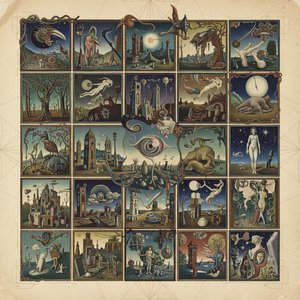
Max Ernsti 25 parimat teost: Surrealismi meistriteosed teie interjööri
Avastage Max Ernsti 25 parimat teost! Sukelduge surrealismi ja dadaismi maailma, tutvuge kunstniku lugude ja tehnikatega. Leidke täiuslik maali oma interjööri WikiOO.org-ist – kvaliteetsed kunstireprodutsioonid ja kollektsioonid.

Unlocking the Unconscious: The Top 25 Masterpieces by Max Ernst
Journey through the dreamlike realms of Max Ernst. Explore 25 iconic Surrealist masterpieces, from pioneering collage to haunting landscapes. Find inspiration and museum-quality reproductions for your collection. Discover all masterpieces on WikiOO.org.

Unlocking the Unconscious: The Top 25 Masterpieces by Max Ernst
Step into the dreamscapes of Max Ernst. Explore 25 iconic Surrealist masterpieces, from pioneering collage to haunting landscapes. Find inspiration and museum-quality art reproductions for your collection. Discover all masterpieces on WikiOO.org.

Unlocking the Unconscious: The Top 25 Surrealist Masterpieces by Max Ernst
Step into the dreamscapes of Max Ernst. Explore 25 iconic Surrealist masterpieces, from pioneering collages to haunting landscapes. Find inspiration and museum-quality art reproductions for your collection. Discover all masterpieces on WikiOO.org.


