
 Esikatselu

 Jaa teos
 Jaa
 Tiedot
 Opas


 Lataa kuva
 Samanlaisia kohteita
 Röntgenkuvaus
 Diaesitys
 Kysymykset ja vastaukset
 Tilastot
Sir Thomas Gresham

- 90.0 x 76.0 cm


 Lue lisää
Giclée- ja taideprintit
Museolaatuisia giclée- tai kankaitaulun tulosteita nopealla tuotannolla ja joustavilla viimeistelyvaihtoehdoilla. ( Osta käsinmaalattu taideteos Siirry digitaaliseen kuvaan)




P118B €10

P118H €10

P118W €10

P438Z €10

P508JH €12

P508YH €12

P805H €10

P805Z €10

P919BZ €10

P919G €10

P919XJ €10

P959ZH €10

P968JZ €12

W106C €8

W218G €10

W218JH €8

W218Y €10

W307PJ €10

W316G €10

W316PJ €8

W316Y €10

W398PJ €8

W4111J €10

W500HY €15

W500JH €15

W692G €12

W849H €8

W940BG €15

W953PJ €8
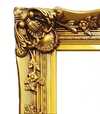
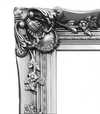
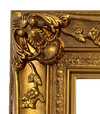
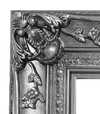
Valitse valmiista mitoistamme sellaiset, jotka vastaavat teoksen alkuperäisiä mittasuhteita.

Syötä tarvitsemasi leveys ja korkeus, jotta tuloste sopii kehyksiisi tai seinällesi. Tulostetta voidaan vain leikata, sitä ei voida koskaan suurentaa alkuperäistä kuvaa suuremmaksi, joten eri muotoinen koko aiheuttaa osan kuvasta katoamisen. Lähetämme sinulle digitaalisen mallikuvan hyväksyttäväksi ennen kuin aloitamme tulostuksen. Tällä sivulla näkyvä kuva ei näytä lopullista rajausta — vain mallikuva näyttää sen.
Maailmanlaajuinen toimitus () 2 viikossa tavallisen 4–5 viikon sijaan. (19 marraskuu)

Ilmainen pikatoimitus ympäri maailman

Korkealaatuinen pellavakangas

Kattava kuljetusvakuutus

Tulliveron palautustakuu

Takuu täydellisestä värien vastaavuudesta

100 päivän palautusoikeus (vain valmistusvirheet)

100% rahat takaisin -takuu

Määräalennus tarjolla
 Lasivaihtoehto on saatavilla vain alle 110 cm kokoisille teoksille

Sir Thomas Gresham
Giclée- ja taideprintit
Replikaatin koko
-


Kokonaishinta
€ 55
Identification of the Portrait of Sir Thomas Gresham
In this portrait, Anthonis Mor Van Dashorst captures the steady presence of Sir Thomas Gresham. The subject sits before us, a man whose influence once shaped the financial landscape of Europe. As the leading English merchant in Antwerp and the financial agent for the English king in the Low Countries, Gresham carries a weight of responsibility in his gaze. He is the man who founded the Royal Exchange and established Gresham College in London, leaving a legacy etched into the very foundations of commerce and education.
The artist, Anthonis Mor Van Dashorst, brings a meticulous eye to this likeness. Born in Utrecht, Netherlands, Mor possesses a way of rendering the individual that feels immediate and alive. This specific work dates to 1560, a moment when the sitter's social standing and professional gravity are palpable. The portrait does more than record a face; it presents a man of significant purpose, frozen in a moment of quiet, commanding authority.
Composition and Visual Details
The subject sits firmly within a chair that dominates the lower portion of the frame, anchoring the entire scene. He is dressed in a black suit, his presence marked by a stern expression and the grooming of a beard and mustache. A collar frames his face, catching the light against the dark fabric of his attire. He holds a posture of quiet authority, his gaze fixed and unyielding. The weight of his position is felt in the stillness of his seated form.
In the space surrounding him, life unfolds in layers. One figure stands directly behind him in the foreground, adding a sense of depth to the immediate circle of the subject. Further back and to the right, a second person occupies the scene, partially distanced from the central focus. This arrangement creates a structured, tiered environment that draws the eye through the social hierarchy of the room. The background reveals a brick wall and an open window, suggesting a connection to the world outside the immediate interior.
Materials and Physical Characteristics
The physical presence of this portrait is defined by its substantial scale, measuring 90 x 76 cm. Originally rendered as an oil on panel, the work carries the weight and texture of its primary medium. The artist’s brushwork captures the subtle shifts in light across the subject's features, a task made possible by the careful application of oil pigments. This specific piece is identified by the object number SK-A-3119.
Time has left its mark on the very substance of the work. While it began its life on a rigid wooden support, the painting has undergone a significant transformation. The original oil on panel was transferred to canvas, a process that alters the way the surface interacts with light and shadow. This transition from wood to fabric changes the tactile quality of the work, lending a different character to the way the colors settle upon the grain.
History and Provenance of the Artwork
The journey of this portrait through the centuries carries it through the hands of emperors and across shifting political borders. At one point in its long history, the painting resides within the private collection of Catherine the Great of Russia. It remains in these imperial circles until the political tides of the twentieth century shift the work's destiny once more. The Soviet Union holds the painting, eventually deciding to sell it to the Rijksmuseum in 1931 to secure foreign currency.
The physical life of the work has seen significant changes to ensure its survival. In 1872, the portrait undergoes a major transformation when the painting of Anne Fernely is transferred from its original panel onto canvas. This restoration marks a pivotal moment in how the work presents itself to the eye. The movement from wood to fabric alters the very substance of the piece, preserving the likeness of the merchant for future generations to witness.
Related Works by Anthonis Mor Van Dashorst
The visual narrative of this portrait finds its companion in the likeness of Anne Fernely, the wife of Gresham. As a pendant to this work, her portrait completes a shared history, capturing the presence of the woman who stood alongside the merchant. This connection links the two figures through a shared space and a shared life, creating a dual presence that speaks to their status and their union.
Mor’s brush also moved through the halls of power, capturing the regal bearing of Mary Tudor, Queen of England, in 1554. His ability to navigate the requirements of the court is evident in his service as a painter to the Spanish king. This high-level patronage allowed him to observe the nuances of nobility and the weight of authority that defined the sixteenth century.
In 1560, the artist turned his attention to Anne Fernel, the Wife of Sir Thomas Gresham. This portrait offers another window into the social fabric of the era, focusing on the character and dignity of the sitter. Through these various commissions, the artist’s hand moves between the private intimacy of a marriage and the public grandeur of royal courts.
Where to See the Artwork Today
The presence of Sir Thomas Gresham remains a constant within the halls of the Rijksmuseum in Amsterdam. Visitors find him held within this prestigious collection, where he resides as part of the museum's permanent holdings. He is identified by the object number SK-A-3119, a mark that traces his place within the museum's vast archives. To stand before him is to encounter a figure preserved through centuries of careful stewardship.
This portrait is kept in the Rijksmuseum, Amsterdam, where the quiet dignity of the subject is maintained for those who seek it. The painting exists as a physical part of the museum's curated environment, allowing the gaze of the viewer to meet the stern expression of the merchant. He remains a fixture of the Dutch institution, a silent inhabitant of the galleries in Amsterdam.
Kysymykset ja vastaukset
Mihin vaiheeseen Antonis Morin kehityksestä "Sir Thomas Gresham" edustaa?
Antonis Mor'n uralla teos "Sir Thomas Gresham" sijoittuu aikakaudelle Mature Period. Tämä vaihe auttaa vertaamaan sitä taiteilijan muihin teoksiin.
Onko Antonis Mor:n "Sir Thomas Gresham" pysty-, vaaka- vai neliökompositio?
Teoksella Antonis Mor:n "Sir Thomas Gresham" on Portrait -muoto. Muoto kuvaa sommittelun mittasuhteita.
Mikä väri hallitsee teoksen Antonis Mor:n "Sir Thomas Gresham" sommittelua?
Phthalo Green (#2f1c19) on Antonis Mor:n "Sir Thomas Gresham" -teoksen hallitseva väri.
Samankaltaisia teoksia


Taiteilijan elämäkerta
Antonis Mor van Dashorst: Kuninkaallisen arvokkuuden maalaaja
Antonis Mor van Dashorst (1517–1577) seisoo hollantilaisen renessanssin muotokuvataiteen kulmakivenä, ilmentäen aikakaudelleen tyypillistä huolellista realismia ja symbolista syvyyttä. Alun perin Alankomaiden Utrechtissa syntynyt Mor kasvoi taideperheessä, jonka juuret ulottuivat syvälle visuaaliseen perinteeseen – hänen isänsä oli kuvanveistäjä, mikä loi pohjan sukupolvien ajan jatkuneelle omistautumiselle visuaaliselle esittämiselle. Vaikka elämäkerralliset yksityiskohdat ovat osittain niukkoja, Morin valtava tuotanto kertoo paljon hänen poikkeuksellisesta lahjakkuudestaan ja periksiantamattomasta pyrkimyksestään vangita kohteidensa olemus. Hän saavutti nopeasti maineen kyvystään kuvata aatelistoa vertaansa vailla olevalla tarkkuudella, mikä toi hänelle arvostettuja tilaustöitä vaikutusvaltaisimmilta henkilöiltä ympäri Eurooppaa. Morin kasvvu mestariksi sai alkunsa hänen nuoruudessa, josta tiedetään vain vähän hänen Utrechtin kasvatuksensa jälkeen. Hän kuitenkin opiskeli Antwerpissä Pieter Bruegel van vanhan alaisuudessa, imien itseensä Bruegelin mestarillista havainnointikykyä ihmisluonnosta ja maisemista – vaikutteita, jotka tulivat läpäisemään Morin omaa taiteellista näkemystä. Antwerpin aika osoittautui ratkaisevaksi hänen taiteelliselle kypsymiselleen. Hän hioi taitojaan muiden aikakauden taiteilijoiden, kuten Quentin Massysin ja Hendrik Golsen, rinnalla uppoutuen Flanderin tasavallan eläväiseen taiteelliseen ilmapiiriin. Tämä altistuminen kehitti hänessä hienostuneen ymmärryksen perspektiivistä ja chiaroscuro-tekniikasta – menetelmistä, joita hän käytti taitavasti valon ja varjon dramaattiseen vuoropuheluun muotokuvissaan.Mary Tudorin valtakausi: Pohjoisen renessanssin muotokuvataiteen mestariteos
Morin maine nousi dramaattisesti, kun hän valmistui muotokuvan Englannin kuningatar Mary Tudorista (1554). Tämä monumentaalinen kangas on Morin taiteellisen loiston huipentuma. Teos on toteutettu äärimmäisellä tarkkuudella, ja se vangitsee Maryn kuninkaallisen olemuksen ja sisäisen tyynen hallinnan – todiste Morin kyvystä välittää psykologista vivahteikkuutta yhdessä fyysisen ulkonäön kanssa. Sommittelu on huolellisesti tasapainotettu, hyödyntäen pyramidirakennetta ja hienovaraisia kankaan poimuja korostamaan Maryn asemaa ja arvokkuutta. Lisäksi chiaroscuro-tekniikan käyttö luo vangitsevan leikin valon ja varjon välille, korostaen kuningattaren kasvoja ja luoden ympärille juhlallisen ja majesteettisen ilmapiirin. Tämä muotokuva vakiinnutti Morin maineen yhtenä aikansa merkittävimmistä muotokuvamaalareista, ja se säilyy edelleen pohjoisen renessanssin taiteen arvostettuna esikuvana. Kuninkaallinen suojelus oli Morille elintärkeää, ja hän sai arvostettuja tilauksia monilta Euroopan hallitsijoilta, mukaan lukien Espanjan Filip II:lta. Nämä yhteistyöt antoivat hänelle mahdollisuuden toteuttaa kunnianhimoisia projekteja ja hioa taiteellista tyyliään, mikä vahvisti hänen perintöään hovitaiteilijana. Mary Tudorin muotokuvan lisäksi Mor teki lukuisia tilauksia kuvaten merkittäviä valtiomiehiä, diplomaatteja ja aristokraatteja. Hänen omintakeinen tyylinsä – jota leimasivat tarkka realismi, mestarillinen perspektiivi ja ilmeikäs valon ja varjon käyttö – teki hänestä välittömästi tunnistettavan. Hän priorisoi johdonmukaisesti paitsi ulkonäön, myös luonteen ja tunteen välittämistä, nostaen muotokuvansa pelkistä muotokuvista syvällisiksi pohdiskeluiksi ihmisen arvokkuudesta.Vaikutus ja perintö
Morin vaikutus ulottui kauas hänen omien aikalaisiensa ulkopuolelle. Hänen huolellinen lähestymistapansa muotokuvataiteeseen loi esikuvan myöhemmille sukupolville, inspiroiden taiteilijoita tavoittelemaan suurempaa tarkkuutta ja psykologista oivallusta. Hän puolusti renessanssin humanistisia ihanteita, jotka heijastivat vakaata uskoa taiteen voimaan valaista ihmiskokemusta. Nykyään Mor van Dashorstin maalaukset kiehtovat edelleen yleisöä ympäri maailmaa, toimien pysyvinä muistutuksina hollantilaisen kultakauden taiteellisesta loistosta – aikakaudesta, jota määrittivät innovaatio, kunnianhimo ja syvä arvostus kauneutta kohtaan.
Antonis Mor
1519 - 1575 , Alankomaat
Pähkinänkuoressa
- Artistic Movement Or Style: Renessanssin muotokuvamaalaus
- Artists Or Movements Influenced By This Artist: ['Barokki']
- Artists Who Influenced This Artist:
- Jan van Eyck
- Rogier van der Weyden
- Date Of Birth: 1517
- Date Of Death: 1577
- Full Name: Anthonis Mor van Dashorst
- Nationality: Alankomaalainen
- Notable Artworks:
- Kardinaali Granvellen kääpiö
- Englannin kuningatar Mary Tudor
- Parman herttuatar Margaret
- Place Of Birth: Utrecht, Alankomaat
Aiheeseen liittyvät artikkelit

Dutch Northern Renaissance painters
Masterpieces by Bosch and Brueghel define the Northern Renaissance. Explore the full collection online at WikiOO.org.