

 Katso seinällä
 Lähetä
 Jaa
Jaa
 Tarkemmat tiedot
 Opas
Opas

 Lataa kuva
 Samanlaisia kohteita
 Röntgenkuvaus
 Diaesitys
 Tilastot
Satyr


 Lue lisää
Käsinmaalattu öljyvärinen jäljennös
Käsinmaalattu öljyväri kankaalle haluamassasi koossa ja kehyksissä, taiteilijoidemme valmistamana tilauksesta. ( Vaihda tulosteeseen Siirry digitaaliseen kuvaan)




P118B €10

P118H €10

P118W €10

P438Z €10

P508JH €12

P508YH €12

P805H €10

P805Z €10

P919BZ €10

P919G €10

P919XJ €10

P959ZH €10

P968JZ €12

W106C €8

W218G €10

W218JH €8

W218Y €10

W307PJ €10

W316G €10

W316PJ €8

W316Y €10

W398PJ €8

W4111J €10

W500HY €15

W500JH €15

W692G €12

W849H €8

W940BG €15

W953PJ €8




Valitse valmiista mitoistamme sellaiset, jotka vastaavat teoksen alkuperäisiä mittasuhteita.

Kirjoita tarvitsemasi leveys ja korkeus, jotta teos sopii kehyskehyksiisi tai seinällesi. Koska kyseessä on käsinmaalattu teos, taiteilija voi maalata hieman enemmän kuvan ympärille tai rajata sitä hieman, jos haluat eri muotoisen koon — valinta on sinun. Lähetämme sinulle digitaalisen mallikuvan hyväksyttäväksi ennen kuin maalaus alkaa. Tällä sivulla näkyvä kuva ei vastaa lopullista tulosta — vain mallikuva näyttää sen.
Tilauksen jälkeen WikiOO.org -tiimi lähettää asiakkaalle sähköpostitse ohjeet ja esikatselukuvan.
Maailmanlaajuinen toimitus () 3–4 viikossa tavallisen 5 viikon sijaan. (27 lokakuu). Laadusta ei tingitä.

Ilmainen pikatoimitus ympäri maailman

Korkealaatuinen pellavakangas

Kattava kuljetusvakuutus

Tulliveron palautustakuu

Takuu täydellisestä värien vastaavuudesta

100 päivän palautusoikeus valmistusvirhetapauksissa

100% rahat takaisin -takuu

Määräalennus saatavilla
 Lasivaihtoehto on saatavilla vain alle 110 cm kokoisille teoksille

Satyr
Reproduktiotapa
Replikaatin koko
-


Kokonaishinta
€ 233
The Mythic Embrace of Benvenuto Cellini's Satyr
Benvenuto Cellini’s “Satyr” stands as a captivating testament to the dynamism and sensual allure that defined the Mannerist period in Italian art. Completed around 1545, this bronze sculpture transcends mere representation; it embodies the very spirit of Dionysian revelry and the untamed beauty of the natural world. More than just a depiction of a mythological creature, Cellini’s satyr is an embodiment of potent emotion – a moment frozen in time, brimming with both mischievous energy and a profound, almost melancholic contemplation.
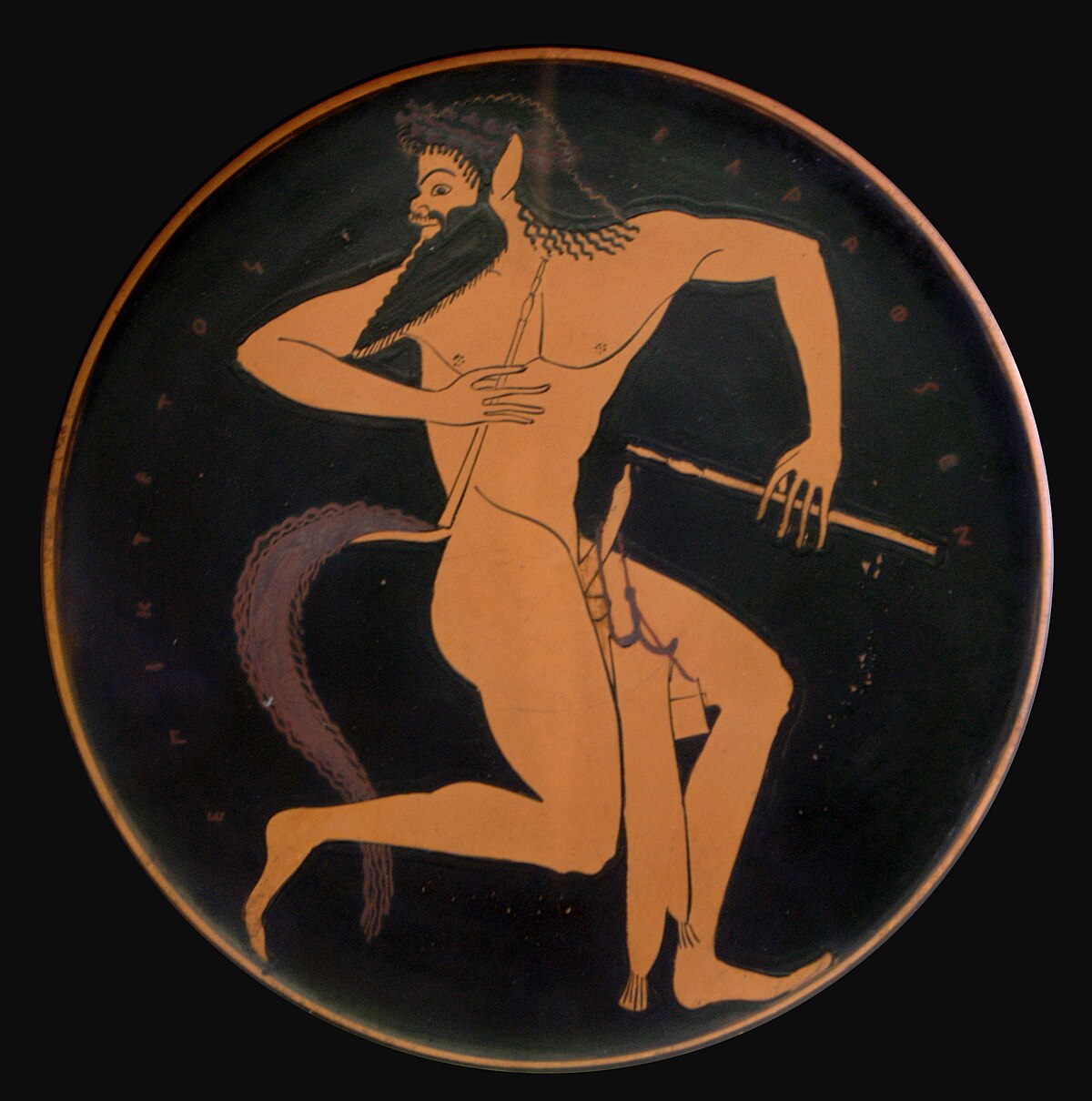
The sculpture itself is a marvel of technical skill and expressive form. Standing nearly four feet tall, the satyr is rendered in a remarkably realistic style, yet imbued with an unmistakable Mannerist flair. His muscular physique, accentuated by the strong lines of his arms and belly, speaks to a primal vitality – a celebration of the body’s inherent power. The details are exquisite: the unruly curls of his hair, the intense gaze of his eyes, the subtle suggestion of a mischievous grin. Notably, the bronze is treated with a rich, aged patina that adds depth and character, hinting at the passage of time and the sculpture's journey through history.
A Glimpse into Renaissance Mythology
Cellini’s satyr isn’t simply a charming figure from Greek mythology; it’s deeply rooted in the cultural context of the 16th century. Satyrs, companions to the god Dionysus, were traditionally associated with wildness, intoxication, music, and fertility – potent symbols of human desires and impulses. In Renaissance Florence, these themes resonated powerfully, particularly within the circles of artists and intellectuals who sought to reconcile classical ideals with contemporary sensibilities. Cellini’s work reflects this complex interplay, capturing both the exuberance and the underlying melancholy inherent in the satyr's existence.
The sculpture’s creation coincided with Cellini’s time at the court of Francis I of France, a period marked by lavish patronage and an embrace of Mannerist aesthetics. This royal commission further elevated the work, imbuing it with a sense of grandeur and sophistication. The choice of bronze as the medium itself is significant – a material prized for its durability, luster, and ability to capture intricate detail.
Symbolism and Artistic Technique
Beyond its mythological subject matter, “Satyr” is rich in symbolic meaning. The satyr’s gesture—raised hand, as if reaching out or beckoning—suggests an invitation into a world of pleasure and abandon. The sculpture's composition, with the satyr presented in profile, creates a sense of intimacy and immediacy, drawing the viewer into his gaze. Cellini masterfully employed techniques such as *repoussé* (hammering metal from the reverse side to create relief) and *chasing* (using tools to refine the surface of the metal), demonstrating his exceptional skill as a goldsmith and sculptor.
The sculpture’s hollow back, filled with fragments of burnt clay and wooden pegs, is particularly intriguing. This deliberate inclusion suggests a layering of meaning—a reference to the satyr's connection to the earth and the cyclical nature of life and death. It also hints at Cellini’s own fascination with materials and his desire to create works that were both beautiful and intellectually stimulating.
A Timeless Masterpiece
Benvenuto Cellini’s “Satyr” remains a powerful and evocative work of art, captivating viewers with its blend of mythological narrative, technical brilliance, and emotional depth. It is a window into the Renaissance world—a celebration of human creativity, sensual desire, and the enduring power of myth. Reproductions by WikiOO offer an exceptional opportunity to bring this iconic masterpiece into your home or office, allowing you to appreciate its beauty and complexity for years to come.
Kysymykset ja vastaukset
Miten voin löytää teoksia, jotka muistuttavat teosta Benvenuto Cellini:n "Satyr"?
Teokset, jotka muistuttavat teosta Benvenuto Cellini:n "Satyr", on koottu teoksen Samankaltaisia -sivulle.
Kuinka voimakkaita ovat teoksen "Satyr" värit?
Teoksessa Benvenuto Cellini:n "Satyr" on Clear Color Presence kylläisyys ja Vivid voimakkuus.
Mihin taidesuuntaukseen Benvenuto Cellini:n "Satyr" kuuluu?
Benvenuto Cellini:n "Satyr" kuuluu Mannerist Renaissance-suuntaukseen. Tämä tyylisuunta antaa teokselle sen tyylillisen kontekstin.
Samankaltaisia teoksia


Taiteilijan elämäkerta
Benvenuto Cellini: Renessanssin Moniottelija ja Taiteellinen Kapinallinen
Benvenuto Cellini, syntyjään florentilainen mestari, elää yhä taiteen historian sivuilla paitsi taitavana kultaseppänä ja kuvanveistäjänä myös poikkeuksellisena kirjailijana. Hänen elämänsä oli yhtä värikäs kuin hänen teoksensa – täynnä intohimoa, seikkailua, taiteellista kokeilua ja ajoittaista vaikeuksia. Cellini edustaa renessanssin henkeä parhaimmillaan: ihmistä, joka hallitsi useita eri aloja ja kykeni ilmaisemaan itseään vapaasti ja rohkeasti.
Syntynyt Firenzessä vuonna 1500 musiikilliseen perheeseen, Cellinin varhainen elämä ei ollut suoraviivaista. Vaikka hänen isänsä toivoi pojan jatkavan musiikin polkuja, nuori Benvenuto tunsi vetovoimaa taiteen maailmaa kohtaan. Jo viisitoistavuotiaana hän vakuutti isänsä oppimaan kultasepän ammatin mestari Marconen johdolla. Tämä päätös muokkaisi hänen tulevaisuuttaan ja loi pohjan hänen myöhemmälle menestykselleen. Nuoruusvuodet eivät kuitenkaan olleet pelkkää taiteellista kehitystä; nuorekas intohimo ja ajoittainen taipumus vaikeuksiin johtivat hänet useaan otteeseen ongelmiin, kuten Firenzeen ulosheittoon ja oleskeluun Siinan kaupungissa.
Mestariteoksia ja Taiteellinen Tyyli
Cellinin taiteellinen tuotanto on monipuolista, mutta erityisesti hänet muistetaan kultasepäntöistään ja pronssiveistoksistaan. Hänen tunnetuin teoksensa on epäilemättä kuningas Frans I:lle Ranskalle tilattu suola-astia, joka sijaitsee nykyään Wienin Kunsthistorisches Museumin kokoelmissa. Tämä mestariteos on täynnä yksityiskohtia ja dynaamisia hahmoja, jotka kertovat Cellinin taitavuudesta kuvata liikettä ja tunteita metalliin. Toinen merkittävä teos on pronssiveistos "Perseus Medusan pään kanssa", joka ilmentää Cellinin kykyä vangita dramaattista kompositioita ja voimaa. Hänen kultamitalonsa, kuten Gonfaloniere Gabriello Cesarinoille luotu Leda ja joutsen -aiheinen mitali, osoittavat hänen kykynsä yhdistää klassisen mytologian kauneuden hienostuneeseen käsityöhön.
Cellinin tyyli on tunnusomaista mannerismia, joka seuraa korkeaa renessanssia. Mannerismi korosti dramaattisuutta, koristeellisuutta ja epätavallisia asentoja. Cellini omaksui nämä piirteet ja loi teoksia, jotka ovat täynnä energiaa ja tunnetta. Hänen vaikutteensa juontavat juurensa klassisen antiikin taiteeseen sekä Michelangelon voimakkaisiin hahmoihin, mutta hän lisäsi niihin oman, ainutlaatuisen manneristisen näkemyksensä.
Elämää Taiteen Ulkopuolella: Sotilas, Muusikko ja Kirjailija
Cellinin elämä ei rajoittunut pelkästään taiteelliseen luomistyöhön. Hän toimi sotilaana useissa piirityksissä ja väitti jopa pelanneen keskeistä roolia Rooman puolustamisessa turkkilaisia vastaan. Hän oli myös taitava muusikko, soittaen kornettia ja huilua paavinistuimella. Kuitenkin juuri hänen elämästään kertova autobiografiansa erottaa hänet muista taiteilijoista.
- Benvenuto Cellinin Elämä: Tämä avoin ja usein ylpeä kuvaus tarjoaa korvaamattomia näkemyksiä renessanssin taiteesta, kulttuurista ja yhteiskunnasta. Se on kiehtova kertomus täynnä anekdootteja suojelijoista, kilpailijoista ja henkilökohtaisista seikkailuista, tarjoten ainutlaatuisen näkökulman aikakauteen.
Autobiografia ei ole pelkästään tapahtumien luetteloa; se on huolellisesti muotoiltu itsetoivotus, jonka tarkoituksena on esitellä hänen taitojaan ja perustella toimiaan. Vaikka se voi olla epäluotettava Cellinin omien ennakkoluulojen vuoksi, se pysyy olennaisena ensisijaisena lähteenä renessanssin elämän ymmärtämiseksi.
Perintö ja Historiallinen Merkitys
Benvenuto Cellini kuoli Firenzessä vuonna 1571 jättäen jälkeensä perinnön yhtenä mannerismin tärkeimmistä taiteilijoista. Hänen tekninen taitavuutensa, taiteellinen innovaationsa ja kiehtova autobiografiansa inspiroivat edelleen taiteilijoita ja taideharrastajia ympäri maailmaa. Hän edustaa renessanssin ihanteiden ruumiillistumaa – moniottelija, joka hallitsi useita eri aloja, ajoi kunnianhimon voimalla ja ei pelännyt ilmaista yksilöllisyyttään. Hänen teoksensa ovat arvostettuja kauneutensa, käsityötaidon ja dramaattisen voiman vuoksi, mikä vahvistaa hänen paikkansa länsitaiteen keskeisenä hahmona.

Benvenuto Cellini
1500 - 1571 , Italia
Tietoa taiteilijasta
- Artistic Movement Or Style: Manierismi
- Artists Who Influenced This Artist: ['Michelangelo']
- Date Of Birth: 1. marraskuuta 1500
- Date Of Death: 13. helmikuuta 1571
- Full Name: Benvenuto Cellini
- Nationality: Italialainen
- Notable Artworks:
- Suolasiili
- Perseus Medusan päällä
- Place Of Birth: Firenze, Italia
Aiheeseen liittyvät artikkelit

10 legendaarista pronssiveistosta, jotka mullistivat taiteen – WikiOO.org
Tutustu 10 legendaariseen pronssiveistokseen, jotka ovat muuttaneet taiteen historiaa! Rodinista Michelangeloon – opi mestareiden tarinat ja löydä täydellinen taideteos kotiisi WikiOO.org:ssa. Laadukkaat jäljennökset & sisustusideat.

The Enduring Legacy of Bronze: A Historical & Artistic Exploration for the Collector
Explore the rich history & enduring appeal of bronze sculpture with expert insights for collectors at WikiOO. Learn about casting techniques, iconic artists, collecting tips & contemporary interpretations.

The Enduring Legacy of Bronze Sculpture: A Collector's Guide to Form & Cultural Significance
Explore the rich history & enduring appeal of bronze sculpture with expert insights for collectors at WikiOO. Learn about casting techniques, iconic artists, and collecting tips to build a discerning art collection.

The Enduring Legacy of Bronze: History, Technique & Artistic Expression for the Collector
Explore the rich history & enduring appeal of bronze sculpture with expert insights for collectors at WikiOO. Learn about casting techniques, iconic artists, and collecting tips.

10 legendaarista pronssiveistosta, jotka mullistivat taiteen – WikiOO.org
Tutustu 10 legendaariseen pronssiveistokseen, jotka ovat muokanneet taiteen historiaa! Michelangelo, Rodin ja muut mestarit. Löydä inspiraatiota sisustukseesi ja tutki upeita taideteoksia WikiOO.org-sivustolta.

