
 Oil On Canvas
- WallArt
- Impressionism
 1922
1922 100.0 x 75.0 cm
 Royal Society
 Esikatselu
 Jaa teos
 Jaa
Jaa
 Tiedot
 Opas
Opas

 Lataa kuva
 Samanlaisia kohteita
 Röntgenkuvaus
 Diaesitys
 Q&A
Q&A Tilastot
Look closer
Every detail, painted by hand
Explore Max Liebermann’s 1922 portrait of Albert Einstein – an Impressionistic oil painting capturing scientific genius & intimacy. A unique piece reflecting a pivotal era.
i.
The heart of the scene.
ii.
Light and background.
iii.
The brushwork.
The painting
A Portrait of Genius: Max Liebermann’s Einstein
Max Liebermann's 1922 portrait of Albert Einstein isn’t merely a likeness; it’s a carefully constructed distillation of intellect, contemplation, and the burgeoning promise of a revolutionary mind. Painted during a pivotal period in Einstein’s career – immediately following his Nobel Prize win and the confirmation of his theories through the Eddington-Dyson eclipse observations – this oil painting transcends simple representation, offering a glimpse into the very essence of scientific genius. Liebermann, a master of Impressionism tempered with a keen observational eye, avoids the stark formality often associated with portraits of prominent figures, instead opting for an intimacy that draws the viewer directly into Einstein’s world.
The composition itself is deceptively simple: Einstein occupies most of the frame, his face turned slightly towards the left, creating a sense of quiet engagement. His hands, resting loosely on what appears to be a table or desk, subtly convey a restless energy – a mind constantly in motion, grappling with complex ideas. Liebermann’s brushwork is deliberately loose and expressive, eschewing sharp lines for a more impressionistic approach. This technique isn't about photographic accuracy; it’s about capturing the *feeling* of Einstein, his thoughtful demeanor, and the aura of intellectual intensity that surrounded him. The use of browns and ochres dominates the palette, lending the painting a warm, almost contemplative atmosphere – a visual echo of the quiet hours spent in deep thought.
The Impressionist Lens on Scientific Icon
Liebermann’s stylistic choices are deeply rooted in the tenets of Impressionism. He prioritizes capturing fleeting moments and subjective impressions over meticulous detail. This is evident in the way he renders light, using broken brushstrokes to suggest the play of illumination across Einstein's face and clothing. The shallow perspective further enhances this effect, creating a sense of immediacy and drawing the viewer into the scene as if they are witnessing this portrait firsthand. Unlike traditional portraits that often aim for an idealized representation, Liebermann’s Einstein is presented with a certain vulnerability – a hint of weariness around the eyes, suggesting the immense mental effort required to unravel the mysteries of the universe.
The historical context surrounding the painting is crucial to understanding its significance. 1922 was a time of great intellectual ferment in Europe, marked by the rise of modern physics and a growing sense of optimism about the future. Einstein’s work had already begun to transform our understanding of space, time, and gravity, and he was quickly becoming a global icon. Liebermann's portrait captures this moment perfectly, presenting Einstein not just as a brilliant scientist but also as a symbol of human ingenuity and progress.
Symbolism and the Portrait’s Essence
Beyond its technical merits, the painting is rich in symbolic meaning. The seated posture suggests contemplation and intellectual rigor – qualities inextricably linked to Einstein's legacy. The hands, resting casually yet deliberately, represent his engagement with ideas, his willingness to explore new possibilities. The muted color palette contributes to a sense of quiet introspection, inviting the viewer to share in Einstein’s mental landscape. It is important to note that Liebermann was not simply depicting a famous scientist; he was attempting to capture something deeper – the very spirit of scientific inquiry and the relentless pursuit of knowledge.
Furthermore, the painting subtly reflects the broader cultural anxieties of the era. The rise of science and technology was accompanied by concerns about the potential consequences of unchecked progress. Liebermann’s portrait, with its emphasis on intellectual contemplation, can be interpreted as a reminder of the importance of ethical considerations alongside scientific advancement. It's a poignant image that speaks to both the brilliance and the responsibility inherent in pushing the boundaries of human understanding.
A Timeless Reproduction
Reproductions of Liebermann’s Einstein portrait offer an exceptional opportunity to bring this remarkable work into any setting. The textured brushwork, the subtle nuances of light and shadow, and the intimate portrayal of a scientific icon are all faithfully captured in high-quality reproductions. Whether displayed in a study, a gallery, or a private residence, this painting continues to resonate with viewers today, serving as a powerful reminder of the enduring legacy of Albert Einstein and the transformative power of art.
Kysymykset ja vastaukset
Voinko käyttää lisättyä todellisuutta nähdäkseni teoksen Max Liebermann:n "Albert Einstein (1879–1955)" omassa huoneessani?
Teoksella "Albert Einstein (1879–1955)" on lisätyn todellisuuden esikatselu: teoksen Tarkastele teosta AR-tilassa -sivu näyttää sen omassa tilassasi yhteensopivalla laitteella.
Millä muilla nimillä Max Liebermann tunnetaan?
Muita teoksen "Albert Einstein (1879–1955)" tekijälle Max Liebermann rekisteröityjä nimiä ovat Leibermann.
Miten materiaali ja liike yhdistyvät teoksessa "Albert Einstein (1879–1955)"?
Max Liebermann:n "Albert Einstein (1879–1955)" yhdistää Oil On Canvas-tekniikan ja Impressionism-tyylin. Tekniikka ja tyylisuunta kuvaavat teoksen valmistustapaa ja tyyliä.

Max Liebermann
1847 - 1935, Saksa
The painter
Max Liebermann (1847-1935) oli merkittävä saksalainen impressionisti, tunnettu valoisista maisemistaan, ihmiskuvistaan ja Wannseen puutarhansa inspiroimasta taiteesta. Tutustu hänen elämäänsä ja teoksiinsa!
Taiteilijan elämäkerta
A Life Immersed in Light: The World of Max Liebermann
Max Liebermann, syntynyt Berliinissä vuonna 1847, ei alkanut taiteellista uraansa ennalta määrätyn polun varrella. Aluksi hän oli ohjattu arvovaltaisille ammateille – lakiin ja filosofiaan Berliinin yliopistossa – mutta todellinen intohimonsa löysi paikkansa siveltimen kautta, ei oikeudenkäynnin salissa. Tämä varhainen älyllinen tutkimusjakso muokkasi kuitenkin hänen havaintokykyään ja pohdivaa lähestymistapaansa maailman kuvaamiseen. Se oli harkittu siirtymä – opiskeluja Weimarissa, Pariisissa ja Hollannissa – jotka sytyttivät todellisen taiteellisen intohimonsa, esitteillen monipuolisia tyylejä ja asettaen pohjan uralle, joka määriteltiin hetkaantumisten vangitsemiseen hienostuneella herkkyydellä valolle ja väreille. Hän ei ainoastaan maalannut sitä, mitä näki; hän muutti kokemuksen olemuksen itse maalaiseksi. Liebermannin varhaisissa teoksissa kuvattiin usein arkielämää, erityisesti työväenluokan elämää, luonnollisella tavalla, joka haastoi ajan vallitsevan romantisoivan estetiikan. Nämä maalaukset eivät olleet tarkoitettu sosiaalisiksi kommentaareiksi, vaan rehellisiä ihmisen olemassaolon kuvauksia, täynnä kunniaa ja arvokkuutta.Embracing Impressionism in a German Context
Liebermannin taiteellinen kehitys vaikutti syvästi hänen altistumiseltaan ranskalaiselle realismille sekä, mitä tärkeämpää, nousujohteiselle impressionismin liikkeelle. Édouard Manetin henki – hänen rohkeutensa, hänen hylkäämisensä akateemisista konventioista, hänen keskittymisensä nykyelämään – resonoi voimakkaasti Liebermannin kanssa. Hän ei kuitenkaan pelkästään kopioinut sitä, mitä näki Pariisissa; hän adaptoi nämä periaatteet saksalaiseksi aistimukseksi, luoden impressionismin, joka oli ainutlaatuinen omalla tavallaan. Hänen sävyttönsä muuttui kirkkaammaksi, hänen siveltimensä löysemmiksi ja spontaannisemmiksi, ja hänen aiheensa siirtyivät porvarillisen vapaan ajan kohti rauhallista kauneutta hänen Wannseen järven lähellä olevassa puutarhassaan. Tämä puutarha tarjosi erityisesti jatkuvasti inspiraatiota hänen tutkimuksilleen valolle ja tunnelmalle. Hän ei ainoastaan maalannut kukkia ja lehtiä; hän vangitsi kesän tunteen, aurinkoisuuden, lempeän tuulen huminaa lehdissä. Taiteilijan maine laajeni myös muotokuvauksessa, jossa hän suoritti yli 200 tilauksesta teosta, mukaan lukien ikonisia kuvauksia henkilöistä kuten Albert Einstein ja Paul von Hindenburg. Nämä muotokuvaajat eivät olleet pelkästään ulkoisia kopioita; ne olivat syvällisiä tutkimuksia hahmojen sisäelämää hienovaraisten eleiden ja ilmeiden kautta.A Champion of Artistic Freedom
Liebermann ei ollut tyytyväinen vain maalaamaan; hän edisti aktiivisesti taiteellista innovaatiota ja itsenäisyyttä. Tunnistettuaan perinteisen taidehallinnon tukahduttavat rajoitukset, hänestä tuli johtava voima Berliinin Secessionissa vuonna 1898, johdaen tätä avantgarde-ryhmittymää yli vuosikymmenen ajan. Secession haastoi perinteiset normit tarjoten alustan taiteilijoille, jotka työskentelivät akateemisen perinteen ulkopuolella. Tämä sitoutuminen taiteelliseen vapautuneisuuteen ulottui hänen omien teostensa ulkopuolelle; Liebermann uskoi vakaasti, että taiteilijoiden tulisi olla vapaita tutkimaan näkemystään ilman puuttumista poliittisten tai ideologisten paineiden vuoksi. Hänen valintansa Preussin Taideakatemian jäsenyyteen vuonna 1909 ja presidenttina toimiminen vuonna 1920 olivat todisteita hänen kasvavasta vaikutuksestaan saksalaisessa taiteen maailmassa, mutta nämä asemat tuomitsivat hänet kohtaamaan nousevan antisemitismin ja nationalismin aallon, joka uhkasi lopulta hänen elämäntyötään.Shadows of a Changing World: Legacy and Resilience
Natsien nousu varjosti Liebermannin myöhempää elämää. Hänen periaatteellinen vastakkainasettumisensa syrjintää kohtaan johti hänen eräänsä Preussin Taideakatemian jäsenyydestä vuonna 1933, rohkea teko, joka merkitsi kieltäytymistään kompromissoimasta arvojaan. Kasvavan vainon keskellä hän jatkoi maalaamista, löytäen lohtua ja tarkoitusta taiteestaan. Hän kuoli Berliinissä vuonna 1935 jättäen jälkeensä rikkaat maalaukset, printit ja syvän sitoutumisen taiteelliseen vapautuneisuuteen. Hänen vaimonsa, Martha, surmautui traagisesti vuonna 1943 välttääkseen karkotuksen, sydäntäsärkevä todiste holokaustin kauhuista. Vuosikymmeniä sodan jälkeen Liebermannin teokset olivat hieman huomiolta piilossa, mutta viime vuosina on ollut uusi arvostus hänen panoksilleen saksalaiselle impressionismille ja nykytaiteen historiaan. Hän muistetaan tänään ei ainoastaan loistokkaana maalareena vaan myös rohkeana taiteellisen ilmaisun puolestapuhujana ja tyranniaa vastustavana symbolina. Hänen maalauksensa vangitsevat edelleen katsojan huomion hehkua, syvällisiä havaintoja ja kestäviä ihmisluonnon piirteitä.Key Achievements & Lasting Influence
- "The Twelve-Year-Old Jesus in the Temple": Tämä varhainen teos herätti merkittävää keskustelua sen epätavanomaisen kuvauksesta juutalaisena näkyvänä Jeesuksena, haastaen perinteiset uskonnolliset ikonografiat.
- Leadership of the Berlin Secession: Hänen keskeinen roolinsa johtajana tässä avantgarde-ryhmässä haastoi taiteellisia normeja ja loi pohjan modernille taiteelle Saksassa.
- Presidency of the Prussian Academy of Arts: Merkittävä tunnustus hänen taidollisesta arvostaan, vaikka se kompromissoi natsien nousun kanssa.
- Masterful Portraiture: Hänen kykynsä vangita hahmojen olemus yli 200 tilauksessa teoksia tehneenä muotokuvaajana vahvisti hänen mainettaan johtavana muotokuvaajana.
- Influence on German Impressionism: Liebermann onnistui siirtämään impressionismin periaatteet ainutlaatuisesti saksalaiseen kontekstiin, inspiroiden sukupolvia taiteilijoita.
Quick facts about Max Liebermann
- Artistic Movement Or Style: Impressionismi
- Artists Or Movements Influenced By This Artist: ['Saksan impressionismi']
- Artists Who Influenced This Artist:
- Manet
- Millet
- Date Of Birth: 20. heinäkuuta 1847
- Date Of Death: 8. helmikuuta 1935
- Full Name: Max Liebermann
- Nationality: Saksalainen
- Notable Artworks:
- Jeesus temppelissä
- Talvipuutarha
- Place Of Birth: Berliini, Saksa


Käsinmaalattu öljyvärinen jäljennös
Have it painted for you
Käsinmaalattu öljyvärinen jäljennös
Käsinmaalattu öljyväri kankaalle haluamassasi koossa ja kehyksissä, taiteilijoidemme valmistamana tilauksesta. ( Vaihda tulosteeseen Siirry digitaaliseen kuvaan)

Your commission

Albert Einstein (1879–1955)
Reproduktiotekniikka
Replikaatin koko
-

Kokenut huipputaiteilija
Lisää yksityiskohtia, hienostuneisuutta ja enemmän aikaa tuotantoon
-

Reproduktion kehystysvaihtoehdot
-
-
Teoksille tai reproduktioille, joiden mikä tahansa sivu on suurempi kuin 105 cm (noin 41 tuumaa), kehys toimitetaan osina purettuna sarjana. Tämä menetelmä varmistaa turvallisen toimituksen ja ehkäisee vaurioita kuljetuksen aikana.
Vaatii ammattimaista kokoamista – kyseessä ei ole tee-se-itse-tuote.
Sarja on koottava ja kangas kiristettävä kokeneen kehystysammattilaisen toimesta käyttäen puuliimaa (ei sisälly pakkaukseen), kangaspinnetteitä ja puristimia, jotta kehyksen kulmat pysyvät suorina liiman kuivuessa. Virheellinen kokoaminen tai epätasainen kankaan kiristys voi vaurioittaa teosta pysyvästi, eikä tällaiset vauriot ala takuun piiriin.
 Teoksille tai reproduktioille, joiden mikä tahansa sivu on suurempi kuin 105 cm (noin 41 tuumaa), kehys toimitetaan osina purettuna sarjana. Tämä menetelmä varmistaa turvallisen toimituksen ja ehkäisee vaurioita kuljetuksen aikana.
Kaikki massiivipuupalat sisältyvät, tarkasti mittojen mukaan leikattuina.
Kootaan mukana tulevilla ruuveilla sekä kulmaliitoksia varten tarvittavalla puuliimalla, jota ei toimiteta, joten se on hankittava kehystäjältä.
Vaatii ammattilaisvälineitä, jotka eivät sisälly pakkaukseen: kankaan venytyspihdit (kiristin) ja puristimet, joilla pidetään kehyksen puut suorassa liiman kuivuessa.
Tärkeää:
Kulmaliitoksissa tarvitaan puuliimaa, kehyksien osat on pidettävä puristimilla, kunnes liima on täysin kuivunut, ja koottuun kehykseen jännitettävän kankaan kiristämiseen tarvitaan kangaspenssipihti. Mikään näistä ei sisälly pakkaukseen. Suosittelemme varmistamaan kokeneen kehystäjän saatavuuden ennen tämän kokoisen kehyksen tilaamista.

Nimilaatta
-
-

Suojalakkaus
Kiiltävä lakka (syventää värejä, suojaa valolta ja kosteudelta)
-

Mukauta taideteokseni
Esimerkkejä muokattavista asioista: Vaihda kasvot asiakkaan omaan valokuvaan; Lisää lemmikki (esim. vaihda kissa koiraan); Lisää taustalle piilotettu viesti; Muuta taustan maisemaa tai elementtejä.
-

Pikatoimitus
Maailmanlaajuinen toimitus () 3–4 viikossa tavallisen 5 viikon sijaan. (29 lokakuu). Laadusta ei tingitä.
-
Pikatoimitus
Maailmanlaajuinen toimitus () 5 viikon kuluessa. (5 marraskuu).
Sisältyy hintaan
Kokonaishinta
€ 234
Lasivaihtoehto on saatavilla vain alle 110 cm kokoisille teoksille
i.
Scale
The original measures 100.0 x 75.0 cm. Slide to your wall: every size keeps its proportions.
Valitse valmiista mitoistamme sellaiset, jotka vastaavat teoksen alkuperäisiä mittasuhteita.

Kirjoita tarvitsemasi leveys ja korkeus, jotta teos sopii kehyksiisi tai seinällesi. Koska kyseessä on käsinmaalattu teos, taiteilija voi maalata hieman enemmän kuvan ympärille tai rajata sitä hieman, jos haluat eri muotoisen koon — valinta on sinun. Lähetämme sinulle digitaalisen mallikuvan hyväksyttäväksi ennen kuin maalaus alkaa. Tällä sivulla näkyvä kuva ei vastaa lopullista tulosta — vain mallikuva näyttää sen.
 Lue lisää
ii.
Frame
The frame is drawn on the painting at its true width.
Kehystetty

White €1

Blurside €1

Extended €1

P118B €10

P118H €10

P118W €10

P438Z €10

P508JH €12

P508YH €12

P805H €10

P805Z €10

P919BZ €10

P919G €10

P919XJ €10

P959ZH €10

P968JZ €12

W106C €8

W218G €10

W218JH €8

W218Y €10

W307PJ €10

W316G €10

W316PJ €8

W316Y €10

W398PJ €8

W4111J €10

W500HY €15

W500JH €15

W692G €12

W849H €8

W940BG €15

W953PJ €8

H24-GOLD €30

H24-SILVER €30

H36-GOLD €45

H36-SILVER €45
iii.
Make it yours
A painting made by hand can be made for one person.
iv.
Finishing
Nameplate, varnish and delivery.
Nimilaatta
Kaiverretun pronssilaatan tiedot
This elegant plaque features the artist's name and the title of the artwork, finely engraved for a timeless presentation.
It is made from bronze with a refined, elegant finish. The text is precisely laser-engraved for a sharp and permanent result. Measuring 9x2 cm, the plaque is compact yet easy to read. It's built to be durable and scratch-resistant, offering a professional, museum-quality look. Mounting is simple thanks to the included adhesive backing.
Läpinäkyvän akryylilaatan tiedot
The plaque includes essential engraved details such as the artist's name, the title of the artwork, the date it was created, the type of media used-like oil on canvas or watercolor-a brief description of the piece, and a QR code that links to the complete artwork information.
It is crafted from clear acrylic, offering a sleek, modern appearance. The text is UV-engraved in black to ensure strong visual contrast. With a size of 10x15 cm, it ensures optimal readability. It comes equipped with two metal hooks for secure wall mounting. The plaque is designed to be weather-resistant, making it suitable for various environments, and it includes interactive features that work seamlessly with smartphone scanning.
Mustan akryylilaatan tiedot
This elegant plaque includes engraved information such as the artist's name, the title of the artwork, the date it was created, the type of media used (like oil on canvas or watercolor), a short description of the artwork, and a QR code for quick access to more information.
The plaque itself is made from refined black acrylic with a premium finish. The text is laser-engraved in white for high contrast and readability. Its size is 10x15 cm, designed to be easy to read. It comes with two metal hooks for professional mounting. The design is sleek and fits any interior style. It is also weather-resistant and durable, with built-in digital integration for mobile compatibility.
Suojalakkaus
Pikatuotanto ja -toimitus
Maailmanlaajuinen toimitus () 3–4 viikossa tavallisen 5 viikon sijaan. (29 lokakuu). Laadusta ei tingitä.
- Ilmainen pikatoimitus ympäri maailman
- Korkealaatuinen pellavakangas
- Kattava kuljetusvakuutus
- Tulliveron palautustakuu
- Takuu täydellisestä värien vastaavuudesta
- 100 päivän palautusoikeus (vain valmistusvirheet)
- 100% rahat takaisin -takuu
- Määräalennus tarjolla


Quick facts and art quiz
Aiheeseen liittyvät artikkelit

The Timeless Charm of Oil on Board: Reimagining Texture and Light through the Impressionist Lens
Discover the profound intimacy of oil on panel. Explore how Impressionist masters used rigid supports to capture light, texture, and impasto depth through exquisite, handmade oil reproductions for discerning collectors.

The Enduring Legacy of Oil on Canvas: Technique, History & Aesthetic Impact
Explore the rich history & techniques of oil painting – from Renaissance masters to Impressionism. Discover pigments, layering methods, and why this timeless medium endures. Expert insights for artists & art enthusiasts.
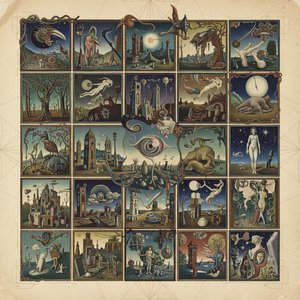
Max Ernstin 25 mestariteosta: Surrealismin syvyydet ja taidekodin inspiraatio
Tutustu Max Ernstin 25 vaikuttavimpaan mestariteokseen! Uppoudu surrealismin maailmaan, dadaismin juuriin ja taiteilijan psykologisiin visioihin. Löydä inspiraatiota kotiisi WikiOO.org:sta – laadukkaat taideprintit ja julisteet.

The Soul of Impressionism: Why Oil on Canvas Captures Eternal Light and Timeless Emotion
Discover the enchanting alchemy of Impressionism. Explore how the mastery of oil on canvas, through glazing and impasto, captures eternal light and emotion. Perfect for lovers of Monet and Van Gogh seeking the profound depth of hand-painted fine art.
Samankaltaisia teoksia


