
 Aperçu en situation
 Envoyer
 Partager
 Détails de l'œuvre
 Guide
Guide

 Télécharger l'image
 Articles similaires
 Radiographie
 Diaporama
 Q&A
Q&A Statistiques
untitled (6492)


 Lire la suite
L’œuvre d'art présentée sur cette page est protégée par le droit d'auteur, ce qui signifie que nous ne pouvons légalement créer ou vendre de reproduction identique. Cette protection est appliquée en vertu d'accords internationaux tels que la Convention de Berne et par les lois nationales, notamment celles énoncées par le Loi américaine sur le droit d'auteur - Titre 17.
Cette méthode est pleinement conforme aux réglementations sur le droit d'auteur car elle ne repose pas sur la copie ou la duplication de l'œuvre protégée. Il s'agit plutôt d'une réinterprétation créative — une nouvelle peinture qui s'inspire de l'original sans pour autant lui être identique.
Giclées et impressions d'art
Impressions giclées ou sur toile de qualité musée, avec une production rapide et des finitions au choix. ( Commander la reproduction peinte à la main Passer au format numérique)




P118B €10

P118H €10

P118W €10

P438Z €10

P508JH €12

P508YH €12

P805H €10

P805Z €10

P919BZ €10

P919G €10

P919XJ €10

P959ZH €10

P968JZ €12

W106C €8

W218G €10

W218JH €8

W218Y €10

W307PJ €10

W316G €10

W316PJ €8

W316Y €10

W398PJ €8

W4111J €10

W500HY €15

W500JH €15

W692G €12

W849H €8

W940BG €15

W953PJ €8




Choisissez parmi nos formats prédéfinis qui respectent les proportions originales de l’œuvre.

Saisissez la largeur et la hauteur souhaitées pour qu'elles s'adaptent à votre cadre ou à votre mur. Une impression peut être recadrée, mais jamais agrandie au-delà de l'image originale ; ainsi, un format de forme différente entraînera la perte d'une partie de l'image. Nous vous envoyons une maquette numérique pour approbation avant toute impression. L'image présentée sur cette page ne montre pas le recadrage réel — seule la maquette le permet.
Livraison dans le monde entier () en 2 semaines au lieu des 4/5 semaines habituelles. (1 novembre)

Livraison express gratuite dans le monde entier

Toile de lin de qualité supérieure

Assurance transport complète

Garantie de remboursement des droits de douane

Garantie de fidélité des couleurs

Politique de retour de 100 jours (uniquement en cas de défaut)

Garantie de remboursement à 100%

Offre de tarifs dégressifs
 L'option verre n'est disponible que pour les dimensions inférieures à 110 cm.

untitled (6492)
Giclées et impressions d'art
Format de la reproduction
-


Prix total
€ 54
Unveiling the Shadow: An Exploration of Max Ernst’s “Untitled (6492)”
Max Ernst's "Untitled (6492)" presents a compelling and unsettling vision, a testament to the artist’s profound engagement with the subconscious and his exploration of darker human impulses. The image depicts a powerfully rendered statue – a demonic figure crowned with horns – set against the stark backdrop of a brick wall. This isn’t merely a depiction of a monster; it's an embodiment of anxieties, a visual manifestation of the psychological turmoil that characterized Ernst’s artistic output during his most intensely surreal period.
- Subject Matter: The central figure immediately evokes archetypal imagery of evil and temptation. Its posture, though seemingly static, suggests a latent energy, a coiled threat ready to be unleashed.
- Composition: The statue’s placement within the frame is deliberate, dominating the visual field and drawing the viewer into its unsettling presence. The surrounding smaller figures contribute to a sense of unease, hinting at a larger, unseen narrative.
The Surrealist Roots: Ernst's Intellectual Journey
Understanding "Untitled (6492)" requires acknowledging Max Ernst’s unique artistic trajectory. Born in 1891, Ernst rejected the conventional paths to artistic recognition, instead forging his own path through rigorous intellectual pursuits. His studies in philosophy, art history, psychology, and psychiatry – at the University of Bonn – were not simply academic exercises; they were a crucial component of his creative process. He was deeply influenced by thinkers like Freud and Jung, exploring the realms of dreams, symbolism, and the irrational as sources of artistic inspiration. This intellectual grounding fueled his experimentation with techniques such as frottage (rubbing) and collage, methods designed to tap into the unconscious mind and bypass rational thought.
- Technique: Ernst’s use of texture and layering is evident in this piece, contributing to its unsettling quality. The rough surface of the brick wall contrasts sharply with the smooth rendering of the statue, creating a visual tension that mirrors the thematic concerns of the work.
- Historical Context: “Untitled (6492)” was created during the height of the Surrealist movement in the 1930s, a period marked by a rejection of traditional artistic values and an embrace of the irrational. Ernst’s work aligns perfectly with this movement's core tenets – exploring the subconscious, challenging conventional perceptions, and creating art that evokes emotional responses rather than simply representing reality.
Symbolism and Emotional Resonance
The symbolism within "Untitled (6492)" is layered and open to interpretation. The demonic figure can be seen as a representation of repressed desires, societal anxieties, or the darker aspects of human nature. The surrounding figures – potentially fragments of other narratives – add to this ambiguity, suggesting a world populated by hidden forces and unresolved conflicts. The overall effect is profoundly unsettling, prompting viewers to confront their own fears and preconceptions. Ernst’s masterful manipulation of form and texture generates an intense emotional response, inviting contemplation on the nature of evil, temptation, and the human condition.
A Masterpiece Reimagined: Reproduction Options
WikiOO offers a meticulously crafted hand-painted reproduction of Max Ernst's "Untitled (6492)," allowing you to bring this iconic artwork into your home or office. Our skilled artisans employ traditional techniques and archival quality materials to faithfully recreate the original’s texture, color palette, and emotional impact. Whether you are an art collector seeking to expand your collection, an interior designer aiming to create a dramatic focal point, or simply someone captivated by Ernst's vision, our reproduction provides an authentic and enduring representation of this powerful work.
Questions et réponses
Quelle est la place historique de « untitled (6492) » ?
Historiquement, « untitled (6492) » est une œuvre Surrealist Exploration de la grande époque Modern.
Quel est le niveau de contraste de «untitled (6492)» de Max Ernst ?
Le contraste clair-obscur de « untitled (6492) » est évalué à Statement. Le contraste décrit l'intensité de la différence entre les zones claires et les zones sombres.
À quel point la palette de "untitled (6492)" est-elle saturée ?
Les couleurs de «untitled (6492)» de Max Ernst présentent une saturation Subtle Color. La saturation indique si les couleurs sont vives ou atténuées.
Œuvres similaires


Biographie de l'artiste
Max Ernst : Une Vie au Sein du Surréalisme
Jeunesse et Éducation
- Né le: 1er avril 1891 à Brühl, en Allemagne.
- Le père d'Ernst, Philipp Ernst, était enseignant des sourds et peintre amateur, encourageant ainsi l'intérêt précoce de Max pour l'art.
- Il a étudié la philosophie, l'histoire de l'art, la littérature, la psychologie et la psychiatrie à l'Université de Bonn de 1909.
- Ce parcours académique diversifié a profondément influencé ses explorations artistiques ultérieures.
Développement Artistique & Influences
- Un moment décisif fut l'exposition Sonderbund à Cologne (1912), où il a découvert des œuvres de Pablo Picasso, Vincent van Gogh, et Paul Gauguin.
- En 1914, il a rencontré Hans Arp, débutant une amitié qui a durablement façonné son parcours artistique.
- La Première Guerre mondiale a profondément marqué Ernst ; ses expériences de soldat ont conduit à la déception et à une vision critique de la société.
- Il s'est inspiré des écrits de Sigmund Freud, explorant les thèmes de l'inconscient dans son art.
Dadisme & Surréalisme
- Ernst est devenu une figure clé du groupe Dadiste de Cologne après la Première Guerre mondiale, rejetant les conventions artistiques traditionnelles.
- Il a pionné des techniques innovantes telles que frottage (frotter un crayon sur des surfaces texturées) et grattage (gratter la peinture pour révéler les couches sous-jacentes).
- Dans les années 1920, il a rejoint le mouvement surréaliste à Paris, collaborant avec des artistes tels que Paul Éluard.
- Son œuvre de cette période explorait des images oniriques et des thèmes psychologiques.
Œuvres Majeures & Techniques
- Frottage : Une technique utilisée pour créer des textures et des images inattendues, exemplifiée dans de nombreuses œuvres.
- Collage : Ernst a fréquemment utilisé le collage, combinant des éléments disparates pour créer des compositions surréalistes.
- Œuvres Notables :
- La Ville Entière
- Euclides
- De Ceci, Personne Ne Devrait Savoir
- Forêt et Colombe
- Ses peintures présentent souvent des images symboliques, notamment les oiseaux (en particulier son alter ego Loplop), les paysages et des juxtapositions troublantes.
Vie Tardive & Héritage
- Ernst s'est installé aux États-Unis pendant la Seconde Guerre mondiale, continuant à peindre et à expérimenter de nouvelles techniques.
- Il est revenu en France après la guerre et est resté actif jusqu'à sa mort le 1er avril 1976 à Paris.
- Signification Historique : Les contributions d'Ernst au Dadisme et au Surréalisme ont été révolutionnaires. Il a défié les normes artistiques, exploré l’esprit inconscient et inventé des techniques innovantes qui continuent d’inspirer les artistes aujourd’hui.
- Il reste l'un des figures les plus importantes et influentes de l'art du 20e siècle.

Max Ernst
1891 - 1976 , Allemagne
L'essentiel de l'artiste
- Artistes Influents:
- Pablo Picasso
- Vincent van Gogh
- Paul Gauguin
- Date De Décès: 1er avril 1976
- Date De Naissance: 1er avril 1891
- Lieu De Naissance: Brühl, Allemagne
- Mouvement Artistique: Dadaïsme et Surréalisme
- Nationalité: Allemand/Américain/Français
- Nom Complet: Max Ernst
- Œuvres Notables:
- La Ville Entière
- Euclides
- Forêt et Colombe
Articles connexes

Echoes of Time: Exploring the Enduring Appeal & Historical Context of Vintage Art Prints
Explore the captivating world of vintage art prints! Discover their history, collecting tips & enduring appeal. Expert insights on chromolithography and building a legacy collection with WikiOO.

The Enduring Legacy of Fine Art Prints: Technique, History & Aesthetic Impact
Explore the rich history & techniques of fine art prints. Discover investment potential, assess authenticity, and learn how to preserve your collection with expert guidance. Trusted insights for discerning collectors.

The Enduring Legacy of Printmaking: Techniques, Themes & Artistic Innovation Across Centuries
Explore the rich history of printmaking with WikiOO. Discover techniques from intaglio to lithography, learn about collecting valuable prints & find museum-quality reproductions. Expert insights for art enthusiasts and collectors.
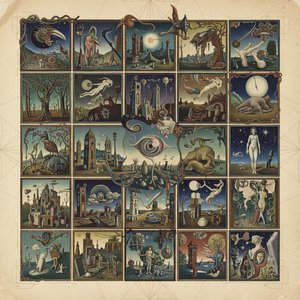
Exploration du subconscient : Les 25 chefs-d'œuvre de Max Ernst
Plongez dans l'univers surréaliste de Max Ernst et ses 25 chefs-d'œuvre. Explorez la collection complète sur WikiOO.org.

L'Excellence de l'Impression Giclée : Guide Technique pour des Reproductions d'Art de Qualité Musée
Maîtrisez la technique giclée et les encres pigmentaires pour vos collections. Découvrez les secrets d'une impression de qualité musée.


