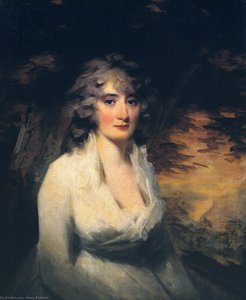
A skót realizmus mestere: Sir Henry Raeburn életútja és művészete
Sir Henry Raeburn 1756-ban született Skótország felkelő felvilágosodásának korában, és hamarosan a brit portréfestészet kulcsfontosságú alakjává vált. Története az önmegvalósított művészete példája, amely szerény körülményekből indult, hogy az első hazai skót festővé váljon, aki széles körű elismerésre és királyi protekcióra tett szert. Fiatal korában árvázzá vált, és életét bátyja, William támogatása formálta, aki lehetővé tette számára, hogy az edinburgi Heriot's Hospitalban tanuljon. Ez az alapozás döntő fontosságúnak bizonyult, bár kezdeti pályája nem közvetlenül a vászonhoz és az ecsetthez vezetett, hanem James Gilliland alatt az aranyművész szakma precíz világába sodorta. Éppen ezen a bonyolatud részletek és kifinomult készség világában ébredt meg Raeburnban az a pontosság, amely később művészeti stílusát meghatározta. Eleinte elefántcsontra készített miniatűr portrékkal kezdett, demonstrálva veleszületett tehetségét, amellyel hihetetlen pontossággal képes volt megörökíteni az arcvonásokat. Azonban nem tartott sokáig, amíg az olajfestészet nagyobb skálaúrlása fel nem csábította, és bátran belevágott az öntanulási folyamatba, hogy meghódítsa ezt a kényesebb médiumot.A miniatűr precizitástól a monumentális portréig
Raeburn művészeti fejlődése a készség hihetetlen vágyával volt vontathatott össze. Tanulmányait David Martin, Edinburgh egyik vezető portréfestőjétől szerezte meg, aki korábban Allan Ramsay asszisztense volt, de festő leginkább saját kitartására és megfigyelésére támaszkodott. Korai műveiben már látható a fejlődő tehetség, ám csak a folyamatos gyakorlás és a részletek iránti éles tekintet révén sikerült valódi különlegessé venni magát. A fordulópontot az 1778-as házassága jelentette Ann Edgarrel, egy gazdag özvännyel. Ez az unió anyagi stabilitást biztosított számára, lehetővé téve, hogy Raeburn teljes figyelmét a festészetnek szentelhesse kereseti kötelezettségek nélkül. Mélyen elmerült a mesterek műveinek tanulmányozásában, például Joshua Reynoldséét, akivel egy rövid londoni tartózkodás során találkozott – bár az olaszországi utazást végül feladták. Raeburn stílusa egy erőteljes realizmus körül kezdett gyúródni, amelyet a drámai fények és a képesség, hogy ne csak a fizikai hasonlságot, hanem az alakok belső karakterét is megörvényítse. Távolodott a korabeli halvány, idealizált ábrázolástól, és egy olyan őszinteséget és közvetlenességet választott, amely mélyen rezonált a skót érzékiséggel.A karakter megörökítése: Raeburn művészeti jegye
Raeburn portréjai nem csupán egyének ábrázolásai; ezek olajfestményre öntött pszichológiai tanulmányok. Kivételes képességgel rendelkezett ahhoz, hogy átadja vágyainak személyiségét, társadalmi státuszát és még az alakok hangulatát is. Technikai tudása mesteri szintű volt – a precíz megfigyelés, a magabiztos ecsettartás és a fények és árnyékok kifinomult értelmezésének tökéletes ötvözete. A fiatal polózó például nem csupán egy sportoló úriember ábrázolása; ez a fiatalos vitalitás és az aristokrata kikapcsolódás energiával teli pillanatfotója. Hasonlóképpen, a skót művészet meghatározó alakját, Alexander Allant ábrázoló portréja egy intellektuális és kifinomult férfit mutat be. Raeburn chiaroscuro-használata – a fény és sötétség drámai kontrasztja – stílusának jellegzetessé vált, mélységet és intenzitást kölcsönözve kompozícióinak. Gyakran sötét háttér elé helyezte alanyait, lehetővé téve, hogy arcuk és alakjuk megdöbbentő tisztaságon törjön elő. Ez a technika nemcsak portréi vizuális hatását fokozta, hanem arra szolgált, hogy a figyelmet az egyén karakterére és jelenlétére fókuszálja.Elismerés és örökség: Egy skót ikon
Pályája során Raeburn jelentős sikerrel és elismeréssel büszkélkedhetett. Edinburg társadalma meghatározó tagjává vált, számos neves család és egyén felkéréseit teljesítve. 1815-ben a londoni Royal Academy tagjává választották, amivel nemzeti szinten is megszilárdította hírnevét. 1822-ben, közvetlenül a 1823-as halála előtt kineveztek skót király, IV. Gyorge portréfestőjévé, ami művészeti teljesítményének legvégső elismerése volt. Raebert influência a skót művészetre felbecsülhetetlen. Megteremtette a portréfestészet olyan színvonalát, amelyet a későbbi generációk is törekedtek követni, és művei ma is inspirálnak a művészeket. Festményeit ma a világ tekintélyes gyűjteményeiben őrzik, többek között az edinburgi Scottish National Gallery-ben és a New York-i The Frick Collection-ben.- • A realizmus iránti elkötelezettsége és a pszichológiai mélység megkülönböztette kortársaitól.
- • Segített kialakítani egy egyértelműen skót identitást a brit művészet keretein belül.
- • Mesteri technikáját ma is tanulmányozzák és csodálják a művészek és tudósok egyaránt.
Kérdések és válaszok
Megvizsgálhatom Henry Raeburn színhasználatát az összes művében?
Henry Raeburn Paletta Genom egy olyan oldal, amely bemutatja a művész életművének színes profilját.
Milyen más nevét vagy álneveit használ még Henry Raeburn?
Henry Raeburn más néven is ismert: Sir Henry Raeburn, Raeburn.
Elérhető-e 3D virtuális túra Henry Raeburn művei között?
Henry Raeburn művei megtekinthetők a művész virtuális, 3D-s galériájában, a 3D Galéria oldalon.