Portrait of John Constable

List of the 100 Most Famous Paintings by John Constable

Updated október 2026 · ranked by our popularity score (searches, visits and orders for each work) · 497 works by John Constable in our catalogue

Összegzés

The most widely known painting by John Constable is A Hay Wain (1821), in the collection of the National Gallery, London. The next entries are View of Salisbury Cathedral from the Bishop's Grounds (1823) and Salisbury katedráli északi tájképe. The catalogue documents 497 works by John Constable; the 100 entries below are the best known, listed in rank order with date, holding museum and description.

1776 – 1837, East Bergholt Romantika Most works: Yale Center for British Art

John Constable: the 10 principal paintings

1
A Hay Wain (1821) by John Constable

A Hay Wain

1821 · Olajfestmény vászonon · National Gallery, London

John Constable’s 1821 masterpiece, "The Hay Wain," isn't merely a depiction of a river scene; it’s a profound evocation of a way of life – a harmonious blend of human activity and the enduring beauty of the English countryside. More than two centuries after its creation, this painting continues to resonate deeply with audiences, offering a timeless glimpse into a pastoral world that feels both familiar and profoundly distant. Constable,…

2
View of Salisbury Cathedral from the Bishop's Grounds (1823) by John Constable

View of Salisbury Cathedral from the Bishop's Grounds

1823 · Acrylic On Canvas · Victoria and Albert Museum, London

John Constable, one of the most renowned English landscape painters, created a breathtaking piece titled View of Salisbury Cathedral from the Bishop's Grounds. This oil on canvas painting, measuring 88 x 112 cm, is a quintessential example of Romanticism and showcases Constable's unique ability to capture the essence of nature. The Painting's Composition The painting depicts Salisbury Cathedral in all its grandeur, set against a serene backdrop of trees and…

3
Salisbury katedráli északi tájképe by John Constable

Salisbury katedráli északi tájképe

Grafit ceruza

Tárgy és kompozíció Ez az kifogástalan monokrom rajz megörökíti a Salisbury katedrális fenséges jelenlétét, amely a középkori architektúra és a spirituális jelentőség mesterműve. A részletgazdag ábrázolás kiemeli a katedrális magasba törő tornyait és bonyolult gótikus vonásait, melyeket egy nyugodt, természeti táj ölel körül. A kompozíció egyensúlyt teremt az építmény monumentális díszletessége és a szerves elemek között, arra invitva a nézőt, hogy csodálja meg az emberi kézműves tudás és a természet…

4
A szénárc (részlet) (1821) by John Constable

A szénárc (részlet)

1821 · Akril festmény vászonon · National Gallery, London

John Constable 1821-ben befejezett The Hay-Wain (A szénvagon) című alkotása túlmutat az angol vidéki táj egyszerű ábrázolásán; ez egy érzelmi tanúságtétel egy mélyen szeretett és apránkodó részletességgel megfigyelt tájról. Ez az ikonikus festmény, amely ma már London National Galleryjában kap helyet, felemelkedik témáján – a mezőgazdasági élet egyszerű vidéki jelenete – felett, hogy a nemzeti identitás és a művészeti innováció hatalmas szimbólumává váljon. Az AllPaintingsStore.com gibi platformokon elérhető reprodukciók részletessége…

5
Flatford Mill (Scene on a Navigable River) (1817) by John Constable

Flatford Mill (Scene on a Navigable River)

1817 · Oil On Canvas

In the quiet corners of the English countryside, where the River Stour winds through the verdant heart of Suffolk, lies a scene captured forever in John Constable’s 1817 masterpiece, Flatford Mill (Scene on a Navigable River). This is not merely a depiction of a watermill; it is an evocative window into the Romantic soul. To gaze upon this canvas is to step into a world where the boundaries between nature…

6
A ugró ló (1825) by John Constable

A ugró ló

1825 · Olajfestmény vászonon · Roy Miles Gallery, London

John Constable's "The Leaping Horse," painted in 1825, isn’t merely a depiction of a riverside scene; it’s a vibrant distillation of the English countryside and a profound exploration of light, movement, and human interaction with nature. This iconic work, now residing within the Royal Academy’s collection, captures a fleeting moment along the River Stour in Suffolk – a region deeply ingrained in Constable's artistic sensibility and personal history. The painting…

7
Emlékmű Sir Joshua Reynolds tiszteletére by John Constable

Emlékmű Sir Joshua Reynolds tiszteletére

Olajfestmény vászonon

Emlékmű Sir Joshua Reynolds tiszteletére – Tájkép-álmodat John Constable Emlékmű Sir Joshua Reynolds tiszteletére című műve, amely 1836-ban készült el, a romantikus idealizmus és az angol vidék szublimis szépségének megörökítése iránti tartós elhévülés ékes bizonyítéka. A festmény nem csupán egy emlékkert ábrázolása, hanem Constable mély természetszeretetét is testesíti meg – egy olyan kötődést, amely meghatározta művészeti örökségét és számos generáció tájképfestőjét befolyásolta. A alkotás a leicestershirei Coleorton Hall parkját ábrázolja,…

8
A Stour-i kilátás Dedham mellett (1822) by John Constable

A Stour-i kilátás Dedham mellett

1822 · Olajfesték

John Constable, 1776-ban született East Bergholt kis faluban, Suffolk megyében, nem csupán egy tájképfestő volt; hanem a vidéki élet poetája is, aki a természet finom árnyait és örök széleit festette meg a vászonra rendkívüli érzékenységgel. Apja, Golding Constable, gazdag gabonakereskedő volt, akinek birtokában volt Dedham Vale és a Stour folyó menti malmai is, ami közvetlenül meghatározta Constable művészi életét. A fiatal Constable gyermekkorától kezdve szinte a természet lábaival járta az…

9
Flatford Lock (1811) by John Constable

Flatford Lock

1811 · Olajfesték · Yale Center for British Art, New Haven

A Dedham Vale csendjében, ahol a Stour folyó Suffolk szívén keresztül kanyarog, John Constable valaminegt többet örökített meg, mint egy tájat; egy érzést fogott le. A Flatford Lock, amely 1811-ben készült, mély meditációként áll a szépség, a magány és a vidéki élet tartós ritmusának témájában. Ez a remekmű nem csupán egy működő malom topográfiai feljegyzése; a romantikus idealizmus megtestesülése. Ecsetjének segítségével az alázatos fa híd és a nyugodt vizek a…

10
Salisbury Cathedral från biskopens gård (1825) by John Constable

Salisbury Cathedral från biskopens gård

1825 · Olajfestmény vászonon · Metropolitan Művészeti Múzeum, New York

A Pastoral Vision: Unveiling Constable’s Salisbury Cathedral from the Bishop’s Grounds John Constable’s *Salisbury Cathedral from the Bishop’s Grounds* (1825) is more than just a depiction of an architectural marvel; it’s a poignant expression of his deep connection to the English countryside and a masterful example of Romantic landscape painting. This iconic work, currently residing at the Metropolitan Museum of Art in New York, invites viewers into a serene world…

John Constable: entries 11 to 100

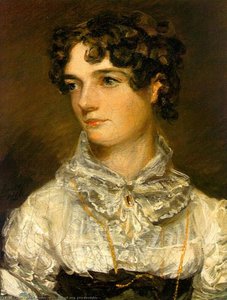
11Helmingham Dell by John ConstableHelmingham DellLouvre Múzeum 12A szénáj (1821) by John ConstableA szénáj1821 · National Gallery 13Wivenhoe Park, Essex by John ConstableWivenhoe Park, Essex 14Felhő-rajzolat, Hampstead, Jobb oldali fa (1821) by John ConstableFelhő-rajzolat, Hampstead, Jobb oldali fa1821 15Reggeli táj eső után (1821) by John ConstableReggeli táj eső után1821 · Yale Center for British Art 16Út Dedham közelében (1802) by John ConstableÚt Dedham közelében1802 · Yale Center for British Art 17The Old Mill (1820) by John ConstableThe Old Mill1820 · Walters Art Museum 18Egy ösvény Flatford közelében (1810) by John ConstableEgy ösvény Flatford közelében1810 · Tate Gallery 19Willy Lot háza (1810) by John ConstableWilly Lot háza1810 · Victoria and Albert Museum 20Old Sarum (1834) by John ConstableOld Sarum1834 · Victoria and Albert Museum 21East Bergholt Rectory (1810) by John ConstableEast Bergholt Rectory1810 · Philadelphia Művészeti Múzeum 22Boat-building near Flatford Mill (1815) by John ConstableBoat-building near Flatford Mill1815 · Victoria and Albert Museum 23Flatford Mill (részlet) (1817) by John ConstableFlatford Mill (részlet)1817 · Tate Gallery 24A kukoricza tábla (1826) by John ConstableA kukoricza tábla1826 · National Gallery 25Salisbury székesegyház a legelőkből (1831) by John ConstableSalisbury székesegyház a legelőkből1831 · National Gallery 26wivenhoe park (1816) by John Constablewivenhoe park1816 27Study of the Trunk of an Elm Tree (1821) by John ConstableStudy of the Trunk of an Elm Tree1821 · Birmingham Museum and Art Gallery 28Hollyhök vizsgálata (1826) by John ConstableHollyhök vizsgálata1826 · Yale Center for British Art 29Dedham Vale, with a view to Langham church from the fields just east of Vale Farm, East Bergholt (1815) by John ConstableDedham Vale, with a view to Langham church from the fields just east of Vale Farm, East Bergholt1815 30A Stour by John ConstableA StourPhiladelphia Művészeti Múzeum 31Harwich The Low Lighthouse and Beacon Hill (1820) by John ConstableHarwich The Low Lighthouse and Beacon Hill1820 · Yale Center for British Art 32Hadleigh Castle (sketch) (1828) by John ConstableHadleigh Castle (sketch)1828 33Stratford Mill (1820) by John ConstableStratford Mill1820 34Study of a Cloudy Sky (1825) by John ConstableStudy of a Cloudy Sky1825 · Yale Center for British Art 35Harnam kapu, Salisbury by John ConstableHarnam kapu, Salisbury 36The cathedral of Salisbury Sun by John ConstableThe cathedral of Salisbury Sun 37Maria Bicknell (Mrs. John Constable) - (1816) by John ConstableMaria Bicknell (Mrs. John Constable) -1816 38The Glebe Farm (1830) by John ConstableThe Glebe Farm1830 39Salisbury Cathedral from the Bishop's Garden (1821) by John ConstableSalisbury Cathedral from the Bishop's Garden1821 · Museu de Arte de São Paulo Assis Chateaubriand (MASP) 40Branch Hill Pond Hampstead (1819) by John ConstableBranch Hill Pond Hampstead1819 41Stoke-by-Nayland (1810) by John ConstableStoke-by-Nayland1810 42Egy csónak a zárnál (vázlat) by John ConstableEgy csónak a zárnál (vázlat)National Gallery of Victoria 43Salisbury (1829) by John ConstableSalisbury1829 · Fitzwilliam Museum 44Somerset House Terasz és a Tamis – A Waterloo híd északkeleti részéről való kilátás St. Paul-i Bazilikával távolban by John ConstableSomerset House Terasz és a Tamis – A Waterloo híd északkeleti részéről való kilátás St. Paul-i Bazilikával távolban 45Captain Richard Gubbins (1805) by John ConstableCaptain Richard Gubbins1805 · Yale Center for British Art 46Dedham Lock and Mill (1817) by John ConstableDedham Lock and Mill1817 47Lock on the River Stour at Flatford Mill (Suffolk) (1812) by John ConstableLock on the River Stour at Flatford Mill (Suffolk)1812 48Tájkép házalkalmakkal (1809) by John ConstableTájkép házalkalmakkal1809 · Art Institute of Chicago 49View on the River Severn at Worcester (1835) by John ConstableView on the River Severn at Worcester1835 · National Gallery of Scotland 50wivenhoe park, essex - oil on canvas - (1816) by John Constablewivenhoe park, essex - oil on canvas -1816 51Distant View of Salisbury Cathedral (1821) by John ConstableDistant View of Salisbury Cathedral1821 52Dedham Vale (1802) by John ConstableDedham Vale1802 · Yale Center for British Art 53Rainstorm over the Sea (1828) by John ConstableRainstorm over the Sea1828 · Royal Academy of Arts 54Hilly Landscape (1808) by John ConstableHilly Landscape1808 · Nationalmuseum 55The White Horse (1818) by John ConstableThe White Horse1818 · National Gallery of Art 56Dedham Vale (1810) by John ConstableDedham Vale1810 · Dayton Art Institute 57Portrait of a Child with a Dog by John ConstablePortrait of a Child with a DogNational Gallery of Ireland 58Yarmouth Jetty (1822) by John ConstableYarmouth Jetty1822 · National Gallery of Art 59a water mill by John Constablea water mill 60Hadleigh Castle (1828) by John ConstableHadleigh Castle1828 · Yale Center for British Art 61Marine Parade and Old Chain Pier (1827) by John ConstableMarine Parade and Old Chain Pier1827 62The Opening of Waterloo Bridge by John ConstableThe Opening of Waterloo BridgeYale Center for British Art 63A Cserejely vagy Admirális háza (1822) by John ConstableA Cserejely vagy Admirális háza1822 · Alte Nationalgalerie 64Flatford Mill from the Lock (1811) by John ConstableFlatford Mill from the Lock1811 · Henry E. Huntington Könyvtár és Múzeum 65Dedham Vale from the Road to East Bergholt, Sunset (1810) by John ConstableDedham Vale from the Road to East Bergholt, Sunset1810 66Flatford Mill (1817) by John ConstableFlatford Mill1817 67Szentháromság nyugodt esti tájképe (1836) by John ConstableSzentháromság nyugodt esti tájképe1836 · Yale Center for British Art 68A Cornfield (1817) by John ConstableA Cornfield1817 69Willy Lott's Cottage (1820) by John ConstableWilly Lott's Cottage1820 70Sketch for "The Haywain" (1820) by John ConstableSketch for "The Haywain"1820 · Yale Center for British Art 71Waterloo Bridge Seen from Whitehall Stairs (1829) by John ConstableWaterloo Bridge Seen from Whitehall Stairs1829 72The Mill Stream (1815) by John ConstableThe Mill Stream1815 73Willy Lott's House (1802) by John ConstableWilly Lott's House1802 74Széncsapók a Brighton-i strandon by John ConstableSzéncsapók a Brighton-i strandon 75View of Dedham Vale from East Bergholt (1815) by John ConstableView of Dedham Vale from East Bergholt1815 · Bavári Állami Festırménygyűjtemények 76Flatford Mill from the Lock (1810) by John ConstableFlatford Mill from the Lock1810 77Branch Hill Pond, Hampstead Heath, with a Cart and Carters (1825) by John ConstableBranch Hill Pond, Hampstead Heath, with a Cart and Carters1825 78Weymouth Bay with Approaching Storm by John ConstableWeymouth Bay with Approaching Storm 79Malvern Hall from the South West (1809) by John ConstableMalvern Hall from the South West1809 · Bristol Museum And Art Gallery 80East Bergholt temploma (1809) by John ConstableEast Bergholt temploma1809 · Yale Center for British Art 81View of Dedham Vale (1800) by John ConstableView of Dedham Vale1800 82Flatford Mill (1810) by John ConstableFlatford Mill1810 · Yale Center for British Art 83Hampstead Heath with Bathers (1822) by John ConstableHampstead Heath with Bathers1822 84The Coast at Brighton - Stormy Evening by John ConstableThe Coast at Brighton - Stormy Evening 85Harwich The Low Lighthouse and Beacon Hill (1820) by John ConstableHarwich The Low Lighthouse and Beacon Hill1820 · Yale Center for British Art 86Summer evening with storm clouds by John ConstableSummer evening with storm clouds 87Dedham Vale: Morning (1811) by John ConstableDedham Vale: Morning1811 88Egy erdősi ösvény by John ConstableEgy erdősi ösvény 89The Glebe Farm (1830) by John ConstableThe Glebe Farm1830 90Landscape with Cottages (1810) by John ConstableLandscape with Cottages1810 91Branch Hill Pond, Hampstead Heath, with a Boy Sitting on a Bank (1825) by John ConstableBranch Hill Pond, Hampstead Heath, with a Boy Sitting on a Bank1825 92View of Salisbury (1820) by John ConstableView of Salisbury1820 · Louvre Múzeum 93Salisbury katedráli és püspök kertje (Szalisbury katedráli és püspök kertje) (1823) by John ConstableSalisbury katedráli és püspök kertje (Szalisbury katedráli és püspök kertje)1823 · Victoria and Albert Museum 94weymouth bay by John Constableweymouth bay 95A Shepherd in a Landscape looking across Dedham Vale towards Langham (1811) by John ConstableA Shepherd in a Landscape looking across Dedham Vale towards Langham1811 · Yale Center for British Art 96View on the Stour by John ConstableView on the Stour 97Salisbury Cathedral from the Meadows by John ConstableSalisbury Cathedral from the Meadows 98SelfPortrait by John ConstableSelfPortrait 99Osmington Bay by John ConstableOsmington BayPhiladelphia Művészeti Múzeum 100Dell at Helmingham Park (Philadelphia) by John ConstableDell at Helmingham Park (Philadelphia)Philadelphia Művészeti Múzeum

John Constable: works by period

Principal subjects in the work of John Constable

The four subjects most frequently represented among these works, each with its best-known example.

John Constable: holding museums

The 8 museums that hold the most of the paintings on this page.

Museum City Works by John Constable Paintings from this list
Yale Center for British Art, New HavenYale Center for British Art New Haven 66 Flatford Lock, Reggeli táj eső után, Út Dedham közelében
Victoria and Albert Museum, LondonVictoria and Albert Museum London 11 View of Salisbury Cathedral from the Bishop's Grounds, Willy Lot háza, Old Sarum
National Gallery, LondonNational Gallery London 9 A Hay Wain, A szénárc (részlet), A szénáj
Philadelphia Művészeti Múzeum, PhiladelphiaPhiladelphia Művészeti Múzeum Philadelphia 24 East Bergholt Rectory, A Stour, Osmington Bay
National Gallery of Art, WashingtonNational Gallery of Art Washington 5 The White Horse, Yarmouth Jetty
Tate Gallery, LondonTate Gallery London 4 Egy ösvény Flatford közelében, Flatford Mill (részlet)
Louvre Múzeum, PárizsLouvre Múzeum Párizs 2 Helmingham Dell, View of Salisbury
Fitzwilliam MuseumFitzwilliam Museum 12 Salisbury

John Constable: principal painting of each decade

Works per decade

Select a decade to display its principal painting.

John Constable's paintings: reference questions

Which painting by John Constable is the most widely known?Display the answer

A Hay Wain (1821), National Gallery, London. The following entries are View of Salisbury Cathedral from the Bishop's Grounds (1823) and Salisbury katedráli északi tájképe.

What was the age of John Constable when A Hay Wain was painted?Display the answer

45 years: John Constable was born in 1776 and A Hay Wain is dated 1821.

Which ten paintings by John Constable are the best known?Display the answer

A Hay Wain, View of Salisbury Cathedral from the Bishop's Grounds, Salisbury katedráli északi tájképe, A szénárc (részlet), Flatford Mill (Scene on a Navigable River), A ugró ló, Emlékmű Sir Joshua Reynolds tiszteletére, A Stour-i kilátás Dedham mellett, Flatford Lock and Salisbury Cathedral från biskopens gård. The list above records the date and holding museum of each.

How many works by John Constable are documented?Display the answer

The catalogue records 497 works by John Constable, dated between 1800 and 1836.

Which museums hold the best-known paintings of John Constable?Display the answer

Principally in Yale Center for British Art (New Haven), Victoria and Albert Museum (London) and National Gallery (London). The museum table above gives the full distribution.

In which period were John Constable's best-known works painted?Display the answer

In 1820s: 34 of the 100 works listed on this page are dated to that period, including A Hay Wain.

Which are the earliest and latest dated works by John Constable on this list?Display the answer

The earliest dated work listed here is View of Dedham Vale (1800); the latest is Szentháromság nyugodt esti tájképe (1836).

Which subjects recur most in the work of John Constable?Display the answer

Landscape (29), Trees (27) and Clouds (23), out of the 100 works listed on this page.

Which medium predominates in the work of John Constable?Display the answer

Oil On Canvas, in 45 of the 100 works listed on this page.

With which art movement is John Constable associated?Display the answer

Romantika, as documented by the works on this page.

Which works by John Constable are in the collection of the Yale Center for British Art?Display the answer

Flatford Lock, Reggeli táj eső után and Út Dedham közelében are among the 16 works on this page in the collection of the Yale Center for British Art, New Haven.

Are reproductions of paintings by John Constable available?Display the answer

Yes. Each work listed on this page can be ordered from its own entry as a hand-painted oil reproduction or a fine art print, in a size of your choice.

John Constable: biographical notes

A Life Rooted in the English Landscape

John Constable (East Bergholt, Suffolk, 1776. június 11. – London, 1837. április 1.) angol tájképfestő. Jelentős szerepe volt az angol romantikus tájképfestészet történetében és alkotói stílusa meghatározó befolyást gyakorolt a francia romantikus festőkre, a barbizoni iskolára és az impresszionistákra. A Királyi Művészeti Akadémia (Royal Academy of Arts, London) tagja volt.

Élete és munkássága

Suffolkban született, édesapja molnár volt. Vidéki környezetben nőtt fel, akárcsak Rembrandt. Korán elkezdett rajzolni, 21 éves korától azonban atyja munkáját kellett segítenie, majd csak 1800-ban ment el Londonba tanulni. Romantikus házasságot kötött, azaz szerelmi házasságot. A fiatal leány Maria Bicknell – evangélikus lelkész nagyapja ellenkezésére nem hallgatva – feleségül ment a festőhöz. Házasságukból született néhány gyermek, de 1828-ban a feleség tüdőbajban meghalt. Constable kiváló arcképfestő is lehetett volna, erről tanúskodik felesége képe 1816-ből. Constable sokkal fontosabbnak tartotta a tájképfestést, mint a portréfestést. Művészeti hitvallása szerint a természet közvetlen és beható tanulmányozása a legfontosabb. Próbálkozott történelmi és vallási témák feldolgozásával is pályája kezdetén, de mindig visszatért a tájképfestéshez. Pályájának kezdetén több 17. századi holland festő (Ruisdael, Koninck, Claude Lorrain (1600–1682), Rubens) és egy 18. század]i angol tájképfestő (Thomas Girtin (1775–1802) volt rá hatással. Azonban e hatások nem voltak tartósak, Constable saját megérzései és meglátásai alapján festett. Constable két jeles kortárs tájképfestővel Turnerrel és Boningtonnal indította el a 19. századi modern tájképfestészetet.

Breaking with Convention: A New Vision of Nature

Constable’s artistic development was marked by a deliberate rejection of prevailing academic conventions. Dissatisfied with the idealized and often theatrical landscapes favored by the Royal Academy, he sought instead a truthful representation of nature, imbued with personal feeling. He wasn't interested in grand historical narratives or mythological scenes; his focus remained steadfastly on the familiar countryside surrounding him. This commitment to depicting ordinary subjects – hay wains, farm buildings, village life – was initially met with resistance from critics who deemed his work too commonplace and lacking in ambition. However, Constable persevered, driven by a conviction that beauty resided in the everyday. He pioneered a technique of *plein air* painting, venturing outdoors to directly observe and capture the fleeting effects of light and weather. This direct engagement with nature allowed him to infuse his canvases with an immediacy and vitality previously unseen in British landscape art. His brushwork became increasingly loose and expressive, employing impasto – thick layers of paint – to create texture and convey a sense of movement and atmosphere. He wasn’t simply recording what he saw; he was translating his emotional response to the land into visual form.

Iconic Works and Lasting Influence

Constable's most celebrated works stand as testaments to his unique vision. The Hay Wain (1821), perhaps his most recognizable painting, depicts a quintessential rural scene on the River Stour, capturing the tranquility and harmony of agricultural life. Hadleigh Castle (1829) showcases his dramatic use of light and atmospheric effects, transforming a crumbling ruin into a powerful symbol of time’s passage. The series of paintings depicting Salisbury Cathedral from the Meadows (1831) demonstrates his ability to evoke different moods and times of day, revealing the cathedral as an integral part of the natural landscape. Netley Abbey (1824), with its evocative depiction of architectural grandeur amidst encroaching nature, exemplifies his skill in blending human creation with the wild beauty of the countryside. Despite facing initial struggles for recognition in England, Constable achieved considerable acclaim in France, where his innovative techniques and emotional depth resonated deeply with artists seeking a more naturalistic approach to landscape painting. He profoundly influenced the Barbizon School, a group of French painters who shared his commitment to *plein air* painting and direct observation of nature.

Personal Life & Final Years

Constable’s personal life was marked by both joy and sorrow. He married Maria Bicknell in 1816, and they had seven children, though sadly several did not survive infancy. His marriage provided him with emotional support but also financial strain. Elected a Royal Academician in 1829, he continued to face criticism from some quarters, particularly regarding his unconventional techniques. His later years were shadowed by Maria’s declining health and eventual death in 1828, an event that deeply affected him. Despite these hardships, Constable remained dedicated to his art, continuing to paint until his own passing on March 31, 1837. He left behind a rich artistic legacy—a testament to his unwavering commitment to capturing the beauty and emotional resonance of the English countryside. His paintings remain powerful evocations of a bygone era, inviting viewers to experience the landscape through his uniquely sensitive eyes.

All 497 works by John Constable →