

 Anteprima in scala reale
 Invia
Invia Condividi
 Dettagli opera
 Guida
Guida

 Scarica
 Simili
 Radiografia
 Slideshow
 Statistiche
Satyr


 Espandi i dettagli
Giclée / Stampe d'arte
Stampa giclée o su tela di qualità museale, con produzione rapida e diverse opzioni di finitura. ( Acquista il dipinto realizzato a mano Passa all'immagine digitale)




P118B €10

P118H €10

P118W €10

P438Z €10

P508JH €12

P508YH €12

P805H €10

P805Z €10

P919BZ €10

P919G €10

P919XJ €10

P959ZH €10

P968JZ €12

W106C €8

W218G €10

W218JH €8

W218Y €10

W307PJ €10

W316G €10

W316PJ €8

W316Y €10

W398PJ €8

W4111J €10

W500HY €15

W500JH €15

W692G €12

W849H €8

W940BG €15

W953PJ €8




Scegli tra le nostre dimensioni predefinite, che rispettano le proporzioni originali dell'opera d'arte.

Inserisci la larghezza e l'altezza desiderate, per adattarle alla tua cornice o alla tua parete. Una stampa può essere solo ritagliata, mai resa più grande dell'immagine originale; pertanto, un formato con una forma differente comporterà la perdita di una parte dell'opera. Ti invieremo un mockup digitale da approvare prima di procedere con la stampa. L'immagine mostrata in questa pagina non rappresenta il ritaglio reale — solo il mockup lo mostra.
Consegna in tutto il mondo () in 2 settimane invece delle normali 4/5 settimane. (27 Ottobre)

Spedizione espressa gratuita in tutto il mondo

Tela in lino di alta qualità

Assicurazione completa sulla spedizione

Garanzia di rimborso dei dazi doganali

Garanzia di fedeltà cromatica assoluta

Politica di reso entro 100 giorni (solo per difetti di fabbricazione)

Garanzia di rimborso al 100%

Offerta per acquisti multipli
 L'opzione vetro è disponibile solo per dimensioni inferiori a 110 cm

Satyr
Giclée / Stampe d'arte
Dimensioni riproduzione
-


Prezzo finale calcolato
€ 54
The Mythic Embrace of Benvenuto Cellini's Satyr
Benvenuto Cellini’s “Satyr” stands as a captivating testament to the dynamism and sensual allure that defined the Mannerist period in Italian art. Completed around 1545, this bronze sculpture transcends mere representation; it embodies the very spirit of Dionysian revelry and the untamed beauty of the natural world. More than just a depiction of a mythological creature, Cellini’s satyr is an embodiment of potent emotion – a moment frozen in time, brimming with both mischievous energy and a profound, almost melancholic contemplation.
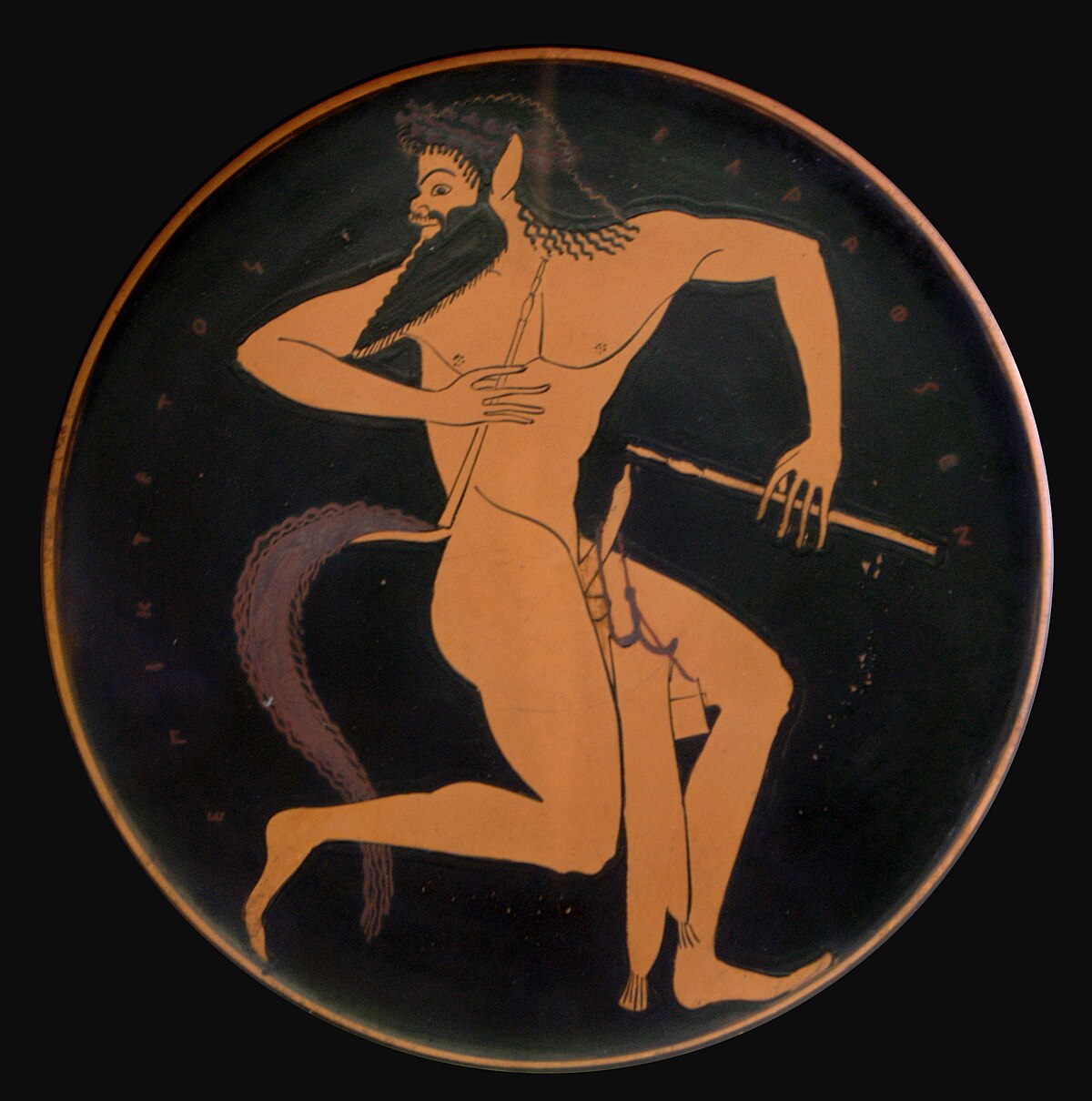
The sculpture itself is a marvel of technical skill and expressive form. Standing nearly four feet tall, the satyr is rendered in a remarkably realistic style, yet imbued with an unmistakable Mannerist flair. His muscular physique, accentuated by the strong lines of his arms and belly, speaks to a primal vitality – a celebration of the body’s inherent power. The details are exquisite: the unruly curls of his hair, the intense gaze of his eyes, the subtle suggestion of a mischievous grin. Notably, the bronze is treated with a rich, aged patina that adds depth and character, hinting at the passage of time and the sculpture's journey through history.
A Glimpse into Renaissance Mythology
Cellini’s satyr isn’t simply a charming figure from Greek mythology; it’s deeply rooted in the cultural context of the 16th century. Satyrs, companions to the god Dionysus, were traditionally associated with wildness, intoxication, music, and fertility – potent symbols of human desires and impulses. In Renaissance Florence, these themes resonated powerfully, particularly within the circles of artists and intellectuals who sought to reconcile classical ideals with contemporary sensibilities. Cellini’s work reflects this complex interplay, capturing both the exuberance and the underlying melancholy inherent in the satyr's existence.
The sculpture’s creation coincided with Cellini’s time at the court of Francis I of France, a period marked by lavish patronage and an embrace of Mannerist aesthetics. This royal commission further elevated the work, imbuing it with a sense of grandeur and sophistication. The choice of bronze as the medium itself is significant – a material prized for its durability, luster, and ability to capture intricate detail.
Symbolism and Artistic Technique
Beyond its mythological subject matter, “Satyr” is rich in symbolic meaning. The satyr’s gesture—raised hand, as if reaching out or beckoning—suggests an invitation into a world of pleasure and abandon. The sculpture's composition, with the satyr presented in profile, creates a sense of intimacy and immediacy, drawing the viewer into his gaze. Cellini masterfully employed techniques such as *repoussé* (hammering metal from the reverse side to create relief) and *chasing* (using tools to refine the surface of the metal), demonstrating his exceptional skill as a goldsmith and sculptor.
The sculpture’s hollow back, filled with fragments of burnt clay and wooden pegs, is particularly intriguing. This deliberate inclusion suggests a layering of meaning—a reference to the satyr's connection to the earth and the cyclical nature of life and death. It also hints at Cellini’s own fascination with materials and his desire to create works that were both beautiful and intellectually stimulating.
A Timeless Masterpiece
Benvenuto Cellini’s “Satyr” remains a powerful and evocative work of art, captivating viewers with its blend of mythological narrative, technical brilliance, and emotional depth. It is a window into the Renaissance world—a celebration of human creativity, sensual desire, and the enduring power of myth. Reproductions by WikiOO offer an exceptional opportunity to bring this iconic masterpiece into your home or office, allowing you to appreciate its beauty and complexity for years to come.
Domande e risposte
Come posso scoprire opere d'arte simili a "Satyr" di Benvenuto Cellini?
Le opere simili a "Satyr" di Benvenuto Cellini sono raccolte nella pagina Opere simili dell'opera.
Quanto sono vivaci i colori di "Satyr"?
"Satyr" di Benvenuto Cellini presenta una saturazione di Clear Color Presence e un'intensità di Vivid.
A quale movimento artistico appartiene "Satyr" di Benvenuto Cellini?
"Satyr" di Benvenuto Cellini appartiene al movimento Mannerist Renaissance. Questo movimento fornisce il contesto stilistico dell'opera.
Opere simili


Biografia dell'artista
Benvenuto Cellini: Un Poliedrico del Rinascimento
- Nato: Firenze, Italia (1 novembre 1500)
- Morto: 13 febbraio 1571
Benvenuto Cellini fu una figura straordinaria del Rinascimento italiano, rinomato come abile orafo, scultore, disegnatore, soldato, musicista e scrittore. I suoi molteplici talenti e la sua personalità flamboyant sono vividamente catturati nella sua celebre autobiografia, considerata un'opera letteraria significativa accanto ai suoi risultati artistici. Incarna lo spirito del Manierismo, un periodo successivo all’Alto Rinascimento caratterizzato da slancio drammatico e complessità stilistica.
Primi Anni e Formazione Artistica
Nato in una famiglia con inclinazioni musicali – suo padre era musicista e costruttore di strumenti musicali – Cellini inizialmente mostrò promesse nella musica. Tuttavia, all'età di quindici anni, perseguì appassionatamente una carriera come orafo, convincendo il suo riluttante padre ad apprenderlo a Antonio di Sandro (conosciuto come Marcone). Questo segnò l'inizio della sua formazione artistica formale. I suoi primi anni non furono privi di incidenti; all'età di sedici anni, si trovò coinvolto in una rissa con i compagni, portando al suo esilio da Firenze e a un periodo lavorativo a Siena sotto l'orafo Fracastoro.
Opere Artistiche Principali e Stile
- Saliera: Questo elaborato capolavoro d’argento, commissionato dal re Francesco I di Francia, è probabilmente la sua opera più famosa. Mostra dettagli intricati e figure dinamiche, ora custodita presso il Kunsthistorisches Museum di Vienna.
- Perseo con la Testa di Medusa: Una scultura in bronzo raffigurante Perseo che trionfa tenendo la testa mozzata di Medusa, questo pezzo esemplifica la padronanza di Cellini nella forma e nella composizione drammatica. È una testimonianza della sua abilità nel catturare movimento ed emozione nel metallo.
- Medaglia d'Oro di Leda e il Cigno: Creata per Gonfaloniere Gabriello Cesarino, questa medaglia dimostra l’abilità di Cellini nel fondere la mitologia classica con l’artigianato squisito.
- Progetto per un Sigillo: Un disegno conservato al British Museum, che mostra le sue capacità di progettazione.
Lo stile di Cellini è caratterizzato dal suo dinamismo, realismo e attenzione ai dettagli. Trasse ispirazione dall'antichità classica e dalle potenti figure di Michelangelo, ma infuse il suo lavoro con una sensibilità manierista distintiva: forme allungate, pose esagerate e un senso di teatralità.
Vita Oltre l’Arte: Soldato, Musicista e Autobiografo
La vita di Cellini si estese ben oltre la bottega. Servì come soldato durante gli assedi, sostenendo di aver giocato un ruolo cruciale nella difesa di Roma contro le forze imperiali. Era anche un musicista esperto, suonando il cornetto e il flauto alla corte papale. Tuttavia, è la sua autobiografia che lo distingue veramente.
- La Vita di Benvenuto Cellini: Questo resoconto franco e spesso presuntuoso fornisce preziose informazioni sull'arte, la cultura e la società del Rinascimento. È una narrazione avvincente piena di aneddoti su patroni, rivali e avventure personali, offrendo una prospettiva unica sull’epoca.
La sua autobiografia non è semplicemente un resoconto di eventi; è un autoritratto attentamente costruito progettato per mostrare i suoi talenti e giustificare le sue azioni. Sebbene a volte inaffidabile a causa dei propri pregiudizi di Cellini, rimane una fonte primaria essenziale per comprendere la vita rinascimentale.
Eredità e Significato Storico
Benvenuto Cellini morì a Firenze nel 1571, lasciando dietro di sé un’eredità come uno degli artisti più importanti del Manierismo. La sua abilità tecnica, l'innovazione artistica e la sua affascinante autobiografia continuano a ispirare artisti e appassionati d'arte. Rappresenta l'ideale rinascimentale per eccellenza: un poliedrico dotato di competenze in molteplici discipline, guidato dall’ambizione e senza paura di esprimere la propria individualità. Le sue opere sono celebrate per la loro bellezza, artigianalità e potenza drammatica, consolidando il suo posto come figura fondamentale nella storia dell'arte occidentale.

Benvenuto Cellini
1500 - 1571 , Italia
Dettagli rapidi
- Artistic Movement Or Style: Manierismo
- Artists Who Influenced This Artist: ['Michelangelo']
- Date Of Birth: 3 novembre 1500
- Date Of Death: 13 febbraio 1571
- Full Name: Benvenuto Cellini
- Nationality: Italiano
- Notable Artworks:
- Saliera di Francesco I
- Perseo con la testa di Medusa
- Place Of Birth: Firenze, Italia
Articoli correlati

I 10 Capolavori Bronzei che Hanno Rivoluzionato la Storia dell'Arte | WikiOO
Esplora i 10 capolavori bronzei che hanno segnato la storia dell'arte! Da Rodin a Michelangelo, scopri le storie e le tecniche dietro queste sculture iconiche. Trova riproduzioni d'arte di alta qualità per decorare la tua casa con WikiOO.org.

The Enduring Legacy of Bronze: A Historical & Artistic Exploration for the Collector
Explore the rich history & enduring appeal of bronze sculpture with expert insights for collectors at WikiOO. Learn about casting techniques, iconic artists, collecting tips & contemporary interpretations.

The Enduring Legacy of Bronze Sculpture: A Collector's Guide to Form & Cultural Significance
Explore the rich history & enduring appeal of bronze sculpture with expert insights for collectors at WikiOO. Learn about casting techniques, iconic artists, and collecting tips to build a discerning art collection.

The Enduring Legacy of Bronze: History, Technique & Artistic Expression for the Collector
Explore the rich history & enduring appeal of bronze sculpture with expert insights for collectors at WikiOO. Learn about casting techniques, iconic artists, and collecting tips.

I 10 Capolavori in Bronzo che Hanno Rivoluzionato la Storia dell'Arte | WikiOO
Esplora i 10 capolavori in bronzo che hanno segnato la storia dell'arte! Da Michelangelo a Rodin, scopri le storie e le tecniche dietro queste statue iconiche. Trova riproduzioni artistiche di alta qualità per decorare casa tua con WikiOO.org.


