
Modica, Sicily (Edward Lear)


Riproduzione giclée: 27 x 38 cm a €39
Versione a olio dipinta a mano, dimensioni a partire da €219
- Spedizione gratuita in tutto il mondo in 3-4 settimane
- Stampe arrotolate con consegna in 3-4 settimane
- Resi entro 100 giorni e rimborso garantito
- Valutato 4.9/5 da 241 clienti su ArtShopReviews.com
 Anteprima in scala reale

 Invia
 Condividi
 Dettagli opera
 Scheda didattica


 Scarica
 Simili
 Radiografia
 Slideshow
 Domande e risposte

 Statistiche
Guarda più da vicino
Ogni dettaglio, fedelmente riprodotta
Tre dettagli del dipinto, ingranditi. La nostra stampa giclée preserva ognuno di essi, nelle dimensioni da te scelte.
i.
Il cuore della scena.
ii.
Luce e sfondo.
iii.
La pennellata.
Il dipinto
Modica, Sicily (Edward Lear): descrizione
A watercolor sketch of a sunlit plaza and bridge in Sicily, rendered with loose, sketchy lines and muted earthy tones on textured paper.
 Articolo completo su Modica, Sicily
Edward Lear: biografia
Artista e poeta vittoriano, celebre per i suoi versi nonsense stravaganti e i delicati acquerelli di paesaggi.
Identification of Modica, Sicily by Edward Lear
In this watercolor sketch, Edward Lear turns his attention to the specific topography of Modica, Sicily. The work is a landscape depiction that seeks to capture the essence of the town's architecture and its unique setting. Rather than a formal study, it presents a loose, observational view of the clustered buildings and the central plaza that defines the settlement.
The subject matter focuses on the intersection of human habitation and the natural landscape. Lear has rendered the townscape with a sense of quiet observation, focusing on how the structures sit within the Sicilian terrain. It is a direct record of a specific place, capturing the way the buildings gather around the waterway and the bridge that spans it.
Composition and Visual Elements
The arrangement of this scene is centered upon the town's plaza, creating a focal point for the viewer's eye. Buildings cluster around this central space, their forms acting as a frame that contains the view and directs attention inward. A bridge spans a waterway, providing a steady horizontal element that anchors the middle ground and guides the eye across the composition.
In the background, a large rock formation rises to dominate the skyline, lending a sense of scale to the architecture below. Throughout the plaza, small figures are scattered, their presence providing a subtle sense of activity within the townscape. These figures suggest the quiet rhythm of everyday life without overwhelming the structural elements of the landscape.
Technique and Artistic Materials
In this work, Lear employs watercolor on paper to capture the specific atmosphere of the Sicilian landscape. He relies heavily on a wet-on-wet technique, a method that allows the pigments to bleed and blend into one another directly on the surface. This approach creates a soft, fluid quality where the sky and the water seem to merge through natural diffusion. It is a delicate process that requires a certain level of spontaneity to manage how the colors interact before they dry.
The artist's hand is visible through loose brushwork and sketching that define the architecture and the rugged terrain. Rather than seeking rigid precision, the lines suggest form and texture, providing a sense of immediacy to the scene. He utilizes watercolor paints alongside ink to achieve this layered effect. The ink likely assists in the more structural aspects of the sketch, while the washes of color provide the necessary depth and atmospheric softness.
Style and Visual Impression
This watercolor sketch captures the essence of Modica, Sicily, through a style characteristic of Edward Lear's travel sketches. It moves between the precision of a topographical record and a more whimsical, slightly naive approach to the landscape. There is a certain lightness here, a sense of the artist capturing a moment of observation rather than attempting a heavy, dramatic composition. The work sits comfortably within the realm of Romantic landscape painting, yet it avoids the grandiosity often associated with the movement, opting instead for a quiet, observational intimacy.
The impression is one of tranquility and nostalgia. By employing a loose, sketchy line to define the buildings and the central plaza, the artist suggests form and texture without the need for rigid, exacting detail. This approach allows the viewer to feel the atmosphere of the Sicilian townscape rather than just seeing its geometry. The figures scattered throughout the plaza add a subtle layer of everyday life, grounding the scene in a sense of lived experience. It is a quiet study of a specific place, rendered with a gentle, contemplative touch.
Color, Light, and Texture
The palette here is quiet, leaning into muted and earthy tones that reflect the natural stone of the Sicilian landscape. Browns, tans, and grays dominate the scene, grounding the architecture and the rugged rock formations in a sense of permanence. These colors are applied in soft washes, which allow the pigment to bleed and blend, creating an atmospheric effect that suggests the hazy quality of the Mediterranean air.
Light enters the composition as a diffused daylight, avoiding harsh shadows or sharp contrasts. This gentle illumination settles over the plaza and the buildings, highlighting the forms without overwhelming them. It is a subtle light, the kind that feels captured in a moment of stillness. The watercolor technique leaves a tactile quality on the surface, where visible brushstrokes and the natural grain of the paper provide a subtle, organic texture to the buildings and the sky.
Perspective and Depth
In this watercolor, Lear achieves a sense of spatial recession through a careful application of atmospheric perspective. As the eye moves toward the background, the distant rock formations and the upper reaches of the townscape appear paler and lose their fine detail. This softening of the landscape allows the viewer to perceive the vast scale of the Sicilian terrain without the need for rigid, mathematical precision. It is a subtle, observational method that mirrors the way the eye naturally perceives light and air over a distance.
The structural depth of the plaza is established through the use of linear perspective, found in the receding lines of the clustered buildings and the streets that lead toward the center. This is further reinforced by the way forms overlap one another, creating distinct layers of space from the figures in the foreground to the architecture in the midground. By varying the intensity of his color washes, Lear ensures that the closer elements maintain a greater presence, while the more distant structures recede into a soft, muted haze.
Related Works by Edward Lear
To understand the landscape sensibilities present in this Sicilian scene, one might look toward Lear's other explorations of the Mediterranean. His 1847 watercolor, Quarries of Syracuse, captures a similar sense of rugged grandeur along the Sicilian coastline. During that same period, his interest in the island's topography led him to produce oil sketches of Mount Etna, which emphasize the scale of the volcano through bold brushwork and the characteristic haze of the region.
His travels often moved between the natural world and the structured presence of civilization. This is evident in his landscape painting, View Of Reggio And The Straits Of Messina, which captures a panoramic vista of a coastal city. Similarly, A View of the Roman Campagna, a Villa and Aqueduct in the Distance, reflects his ability to document the specific light and ancient terrain of the Italian countryside. These works demonstrate a consistent interest in how architecture and topography interact within the Mediterranean light.
Domande e risposte
Questa riproduzione di Modica, Sicily è dipinta a mano o è una stampa?
Stampa: Modica, Sicily è riprodotta come stampa giclée su tela di cotone o su carta per tela d'archivio Epson.
Che dimensioni dovrei scegliere per Modica, Sicily?
Le dimensioni vanno da 26.5 x 37.8 cm (€39) a 170.9 x 243.6 cm (€323); la tabella in questa pagina elenca le opzioni principali e i relativi prezzi.
Quanto tempo richiede la consegna?
Le stampe arrotolate in un tubo viaggiano gratuitamente tramite posta ordinaria e arrivano in 3-4 settimane; le stampe su tela o incorniciate richiedono invece 4-5 settimane. La consegna tramite corriere espresso è disponibile esclusivamente con l'opzione di Spedizione Express a pagamento. È possibile restituire l'articolo entro 100 giorni per un rimborso completo, senza alcuna condizione.
Quale tecnica ha utilizzato Edward Lear per Modica, Sicily?
Watercolor

Edward Lear
1812 - 1888, Regno Unito
L'autore dell'opera
Su Edward Lear: vita, opere e biografia
Informazioni rapide su Edward Lear
- Data Di Nascita: 12 maggio 1812
- Luogo Di Nascita: Londra, Regno Unito
- Movimento Artistico O Stile: Romanticismo, Nonsense
- Nazionalità: Britannico
- Nome Completo: Edward Lear
- Opere Notevoli:
- L'allodola e il gatto
- Il dong con il naso luminoso
- Illustrazioni di Psittacidi


Riproduzione Giclée
Falla riprodurre per te
Riproduzione Giclée
Stampa giclée o su tela di qualità museale, con produzione rapida e diverse opzioni di finitura. ( Versione a olio Versione digitale
)

La tua commissione

Modica, Sicily
Tecnica di riproduzione
Dimensioni riproduzione
-

Cornice per riproduzione
-
-
Per opere d'arte o riproduzioni con un lato superiore a 105 cm (circa 41 pollici), la cornice verrà spedita in forma di kit smontato. Questo metodo garantisce una consegna sicura e previene danni durante il trasporto.
Montaggio professionale richiesto - non è un prodotto fai-da-te.
Il kit deve essere assemblato e la tela tesa da un esperto cornice professionista, utilizzando colla per legno (non inclusa), una pinza per tendere la tela e morsetti per mantenere i listelli in squadra durante l'asciugatura della colla. Un montaggio errato o una tensione non uniforme della tela possono danneggiare permanentemente l'opera d'arte e non sono coperti dalla nostra garanzia.
 Per opere d'arte o riproduzioni con un lato superiore a 105 cm (circa 41 pollici), la cornice verrà spedita in forma di kit smontato. Questo metodo garantisce una consegna sicura e previene danni durante il trasporto.
Tutte le barre in legno massello sono incluse, tagliate con precisione alle dimensioni corrette.
Da assemblare con le viti fornite e con la colla per legno per gli incastri degli angoli, che non è inclusa e dovrà essere reperita dal vostro corniceio.
Sono necessari strumenti professionali non inclusi: una pinza tendicanvas (tenditore) e dei morsetti per mantenere i listelli in squadra durante l'asciugatura della colla.
Importante:
Gli incastri d'angolo richiedono colla per legno, i listelli devono essere mantenuti in posizione con dei morsetti finché la colla non è completamente asciutta, e il tensionamento della tela sulla cornice assemblata richiede una pinza per tendere la tela. Nessuno di questi strumenti è incluso nel kit. Si prega di consultare un incorniciatore professionista esperto prima di ordinare questa misura.

Didascalia
-
-

Vernice protettiva
Vernice lucida (esalta i colori, protegge da luce e umidità)
-

Consegna rapida
Consegna in tutto il mondo () in 2 settimane invece delle standard 4/5 settimane. (16 Dicembre)
-
Spedizione espressa
Consegna in tutto il mondo () in 4/5 settimane. (23 Dicembre).
Spedizione inclusa

Spedizione gratuita tramite posta ordinaria
Spedizione in tutto il mondo () tramite posta ordinaria in 3-4 settimane. (16 Dicembre)
Spedizione inclusa
Prezzo finale calcolato
€ 61
L'opzione vetro è disponibile solo per dimensioni inferiori a 110 cm
i.
Dimensioni
Fissa alla tua parete: ogni dimensione mantiene le proporzioni dell'originale.
Scegli tra le nostre dimensioni predefinite, che rispettano le proporzioni originali dell'opera d'arte.

Inserisci la larghezza e l'altezza desiderate, per adattarle alla tua cornice o alla tua parete. Una stampa può essere solo ritagliata, mai resa più grande dell'immagine originale; pertanto, un formato con una forma differente comporterà la perdita di una parte dell'opera. Ti invieremo un mockup digitale da approvare prima di procedere con la stampa. L'immagine mostrata in questa pagina non rappresenta il ritaglio reale — solo il mockup lo mostra.
ii.
Cornice
La cornice è tracciata sul dipinto con la sua larghezza reale.
Con cornice

Bianco €1

Bordi sfumati €1

Bordi estesi €1

P118B €10

P118H €10

P118W €10

P438Z €10

P508JH €12

P508YH €12

P805H €10

P805Z €10

P919BZ €10

P919G €10

P919XJ €10

P959ZH €10

P968JZ €12

W106C €8

W218G €10

W218JH €8

W218Y €10

W307PJ €10

W316G €10

W316PJ €8

W316Y €10

W398PJ €8

W4111J €10

W500HY €15

W500JH €15

W692G €12

W849H €8

W940BG €15

W953PJ €8

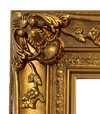
H24-GOLD €30
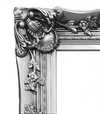
H24-SILVER €30
H36-GOLD €70

H36-SILVER €70
iii.
Tecnica e supporto
La tela è stampata con inchiostri giclée e può essere tesa o incorniciata come un dipinto; la stampa su carta viene consegnata piatta o incorniciata con vetro protettivo.
La nostra opzione economica: la stessa immagine stampata su una tela in poliestere da 260 g/m² invece che su cotone, consegnata arrotolata in un tubo tramite posta ordinaria in 3-4 settimane. Solo in formato arrotolato (senza telaio, senza cornice) e senza produzione urgente, per dimensioni con almeno un lato di 80 cm o inferiore. Circa il 30% più economica rispetto alla stampa su tela di cotone.
Non disponibile per questa dimensione: almeno un lato deve essere di 80 cm o inferiore.
Solo in formato arrotolato: seleziona la stampa su tela in tubo per scegliere questa opzione.
Disponibile per dimensioni con entrambi i lati di 110 cm o inferiori. Per dimensioni superiori, la stampa viene realizzata su tela di cotone opaca.
La stampa su tela d'archivio opaca non è disponibile per questa dimensione: entrambi i lati devono essere di 110 cm o inferiori. La tua stampa sarà realizzata su tela di cotone opaca.
L'opzione vetro è disponibile solo per dimensioni inferiori a 110 cm
iv.
Finitura
Targhetta, vernice e consegna.
Didascalia
Dettagli della targhetta in bronzo inciso
Questa elegante targa riporta il nome dell'artista e il titolo dell'opera, finemente incisi per una presentazione senza tempo.
Realizzata in bronzo con una finitura raffinata ed elegante. Il testo è inciso con precisione al laser per un risultato nitido e permanente. Con le sue dimensioni di 9x2 cm, la targa è compatta ma facilmente leggibile. È progettata per essere resistente ai graffi e duratura nel tempo, offrendo un aspetto professionale di qualità museale. Il montaggio è semplice grazie al biadesivo incluso.
Dettagli della targhetta in acrilico trasparente
La targa include i dettagli incisi essenziali, come il nome dell'artista, il titolo dell'opera, la data di creazione, la tecnica utilizzata — come olio su tela o acquerello —, una breve descrizione dell'opera e un codice QR che rimanda alle informazioni complete sull'opera d'arte.
Realizzata in acrilico trasparente, offre un aspetto elegante e moderno. Il testo è inciso con tecnologia UV in nero per garantire un forte contrasto visivo. Con dimensioni di 10x15 cm, assicura un'ottima leggibilità. È dotata di due ganci metallici per un montaggio sicuro a parete. La targa è progettata per essere resistente agli agenti atmosferici, rendendola adatta a diversi ambienti, e include funzioni interattive che funzionano perfettamente tramite scansione con smartphone.
Dettagli della targhetta in acrilico nero
Questa elegante targa include informazioni incise come il nome dell'artista, il titolo dell'opera, la data di creazione, la tecnica utilizzata (come olio su tela o acquerello), una breve descrizione dell'opera e un codice QR per un rapido accesso a ulteriori informazioni.
La targa è realizzata in acrilico nero raffinato con una finitura premium. Il testo è inciso al laser in bianco per garantire un alto contrasto e una perfetta leggibilità. Le dimensioni sono di 10x15 cm, studiate per essere facilmente leggibili. È dotata di due ganci metallici per un montaggio professionale. Il design è elegante e si adatta a qualsiasi stile d'interni. È inoltre resistente agli agenti atmosferici e durevole, con integrazione digitale per la compatibilità con i dispositivi mobili.
Vernice protettiva
Produzione e consegna rapida
Consegna in tutto il mondo () in 2 settimane invece delle normali 4/5 settimane. (16 Dicembre)
La produzione urgente e la spedizione espressa non sono disponibili per la stampa su poly-canvas Economy, che viene spedita tramite posta ordinaria.
- Spedizione gratuita in tutto il mondo in 3-4 settimane
- Tela in lino di alta qualità
- Assicurazione completa sulla spedizione
- Garanzia di rimborso dei dazi doganali
- Garanzia di fedeltà cromatica assoluta
- Resi entro 100 giorni e rimborso garantito
- Garanzia di rimborso al 100%
- Offerta per acquisti multipli


Curiosità e quiz sull'arte
Articoli correlati

25 opere fondamentali di Sebastiano del Piombo: la guida completa
Scopri le 25 opere iconiche di Sebastiano del Piombo tra colore veneziano e forme romane. Esplora la collezione su WikiOO.org.

Le 25 opere più importanti di Gentile da Fabriano: guida visiva
Scopri le 25 opere iconiche di Gentile da Fabriano e lo stile Gotico Internazionale. Esplora la collezione su WikiOO.org.
Opere simili


