
 Anteprima in scala reale
 Invia
Invia Condividi
 Dettagli opera
 Guida
Guida

 Scarica
 Simili
 Radiografia
 Slideshow
 Q&A
Q&A Statistiche
Under Boots

- 90.0 x 120.0 cm


 Espandi i dettagli
Giclée / Stampe d'arte
Stampa giclée o su tela di qualità museale, con produzione rapida e diverse opzioni di finitura. ( Acquista il dipinto realizzato a mano Passa all'immagine digitale)




P118B €10

P118H €10

P118W €10

P438Z €10

P508JH €12

P508YH €12

P805H €10

P805Z €10

P919BZ €10

P919G €10

P919XJ €10

P959ZH €10

P968JZ €12

W106C €8

W218G €10

W218JH €8

W218Y €10

W307PJ €10

W316G €10

W316PJ €8

W316Y €10

W398PJ €8

W4111J €10

W500HY €15

W500JH €15

W692G €12

W849H €8

W940BG €15

W953PJ €8




Scegli tra le nostre dimensioni predefinite, che rispettano le proporzioni originali dell'opera d'arte.

Inserisci la larghezza e l'altezza desiderate, per adattarle alla tua cornice o alla tua parete. Una stampa può essere solo ritagliata, mai resa più grande dell'immagine originale; pertanto, un formato con una forma differente comporterà la perdita di una parte dell'opera. Ti invieremo un mockup digitale da approvare prima di procedere con la stampa. L'immagine mostrata in questa pagina non rappresenta il ritaglio reale — solo il mockup lo mostra.
Consegna in tutto il mondo () in 2 settimane invece delle normali 4/5 settimane. (31 Ottobre)

Spedizione espressa gratuita in tutto il mondo

Tela in lino di alta qualità

Assicurazione completa sulla spedizione

Garanzia di rimborso dei dazi doganali

Garanzia di fedeltà cromatica assoluta

Politica di reso entro 100 giorni (solo per difetti di fabbricazione)

Garanzia di rimborso al 100%

Offerta per acquisti multipli
 L'opzione vetro è disponibile solo per dimensioni inferiori a 110 cm

Under Boots
Giclée / Stampe d'arte
Dimensioni riproduzione
-


Prezzo finale calcolato
€ 54
A Study in Solitude: The Haunting Depths of Under Boots
In the evocative realm of early 20th-century German art, few works capture the psychological tension of the era as poignantly as Hermann Abeking’s 1928 masterpiece, Under Boots. At first glance, the viewer is drawn into a somber, shadowed interior where the weight of existence seems to press down upon the canvas. The painting depicts a solitary figure reclined on the ground, his head buried in his hands in a gesture of profound despair or perhaps deep introspection. Clad in striking yellow trousers that pierce through the surrounding gloom, the man becomes a focal point of vulnerability amidst a dark, claustrophobic setting. The presence of indistinct figures in the background and the suggestion of heavy boots looming near the subject create an atmosphere of palpable discomfort, as if the very air is thick with the anxiety of a world on the brink of transformation.
Abeking, a versatile talent who moved fluidly between the worlds of fine art and commercial illustration, brings a unique graphic sensibility to this piece. His training in the prestigious academies of Dresden and Berlin allowed him to master a technique that balances representational clarity with an expressive, almost theatrical use of light and shadow. In Under Boots, the interplay of darkness and sudden bursts of color serves not just to define form, but to direct the emotional narrative. The heavy, somber tones evoke the influence of German Expressionism—a movement that sought to strip away academic pretension to reveal the raw, unadulterated truths of human suffering and isolation. Every brushstroke contributes to a sense of mounting pressure, making the viewer feel like an intruder in this private moment of distress.
Historical Resonance and Symbolic Depth
To understand the profound impact of this work, one must consider the historical landscape of 1928 Germany. This was a period of intense social upheaval and psychological fragmentation. Abeking, while deeply connected to the vibrant publishing scene in Berlin, often infused his work with a sense of the existential. The title itself, Under Boots, serves as a powerful metaphor for the crushing weight of societal expectations, political instability, or perhaps the inescapable march of time and authority. The figure’s posture—collapsed and retreating into himself—mirrors the collective fatigue of a generation navigating the turbulent waters between the memory of the Great War and the approaching shadows of another global conflict.
For the discerning collector or interior designer, this painting offers more than mere decoration; it provides a profound conversational centerpiece. The composition’s ability to command attention through its dramatic chiaroscuro makes it an ideal acquisition for spaces that value depth, intellect, and emotional resonance. Whether placed in a quiet study or a contemporary gallery setting, a high-quality reproduction of this work invites contemplation. It serves as a window into a pivotal moment in art history, where the boundaries between illustration and fine art blurred to create something deeply human, hauntingly beautiful, and eternally relevant.
Domande e risposte
Chi ha creato "Under Boots" e in quale stile è realizzato?
Hermann Ernst Abeking ha creato "Under Boots" all'interno del movimento Expressionism.
"Under Boots" è rimasta nel paese d'origine dell'artista?
No - l'opera si trova all'estero. "Under Boots" è conservata in Deutschland, mentre Hermann Ernst Abeking è nato/a in Germania.
Qual è l'atmosfera di "Under Boots" di Hermann Ernst Abeking?
"Under Boots" emana un'atmosfera Dramatic.
Opere simili


Biografia dell'artista
un pittore, grafico e illustratore tedesco in divenire
hermann erneste abeking, figura di spicco dell'arte tedesca del primo Novecento, ha lasciato un segno indelebile nel mondo della pittura, della grafica e dell'illustrazione. Nato a Berlino nel 1882 come secondo figlio di hermann george louis abeking e clara dinglinger, era destinato a una grandezza artistica senza pari.giovinezza e formazione
gli anni formativi di abeking furono trascorsi studiando nelle prestigiose accademie d'arte di Dresda e Berlino, dove affinò le sue doti accanto ad alcuni dei talenti più brillanti del suo tempo. questo periodo fondamentale non solo ne plasmò la tecnica, ma gli trasmise un profonda sensibilità verso i diversi stili artistici che avrebbero successivamente influenzato la sua intera produzione.carriera artistica
- hugdietrichs brautfahrt, un libro che gli fu commissionato all'età di vent'anni, catapultò abeking sotto i riflettori come un carformatore di caricature di grande successo.
- il suo legame con il Brücke-Museum di Berlino, pur non essendo un membro ufficiale, influenzò profondamente le sue prime opere, riflettendo l'enfasi del movimento Die Brücke (Il Ponte) sull'espressionismo e sul primitivismo.
- nel suo ruolo di illustratore editoriale per la Ullstein Verlag, la versatilità di abeking come artista fu ulteriormente messa in luce.
- le sue caricature presenti su lustigen blätter, the true jacob e lachen links, dimostrano la sua straordinaria capacità di equilibrare l'ironia con l'integrità artistica.
- l'adesione all'associazione degli illustratori tedeschi consolidò definitivamente la sua posizione all'interno della comunità artistica nazionale.
vita privata e anni successivi
nel 1903, abeking sposò elly grube, anch'essa una pittrice di talento. la residenza estiva della coppia ad althagen, sul fischland, acquistata nel 1904, fece da scenario sereno per la loro vita familiare, che vide la nascita di due figli, ortrud (nata nel 1904) e thomas (nato nel 1909). dopo aver partecipato alla prima guerra mondiale, abeking si dedicò interamente alla pittura, lasciando in eredità un patrimonio di diverse espressioni artistiche. la scomparsa di abeking a Berlino nel 1939 segnò la fine di un'epoca, ma assicurò il suo posto negli annali della storia dell'arte tedesca. oggi, le sue opere sono conservate in varie collezioni e musei, tra cui quelli presenti sulla pagina di hermann erneste abeking su WikiOO, una testimonianza della sua influenza duratura. scoprite di più sulla vita e sulle opere di hermann ernste abeking attraverso l'ampia collezione di WikiOO: esplora il processo pittorico di WikiOO akademie der bildenden künste wien (Vienna, Austria) - una guida completa
Hermann Ernst Abeking
1882 - 1939 , Germania
Articoli correlati

I 10 Dipinti Più Famosi Dominati dal Grigio Scuro: Arte e Decorazioni Raffinate
Esplora i 10 dipinti più iconici dominati dal grigio scuro. Scopri le storie di Rembrandt, Goya e altri maestri, le loro tecniche e l'impatto emotivo delle opere. Trova riproduzioni d'arte di alta qualità per la tua casa su .
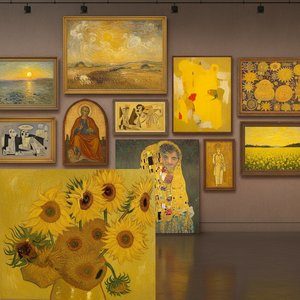
I 10 Dipinti Più Famosi Inondati di Giallo Cromatico: Arte e Decorazioni Raffinate
Esplora i 10 dipinti più iconici dominati dal giallo cromatico! Van Gogh, Monet e altri maestri celebrano questo colore vibrante. Scopri storie, tecniche e acquista stampe di alta qualità su WikiOO.org.

Opere d'Arte Malinconiche: I Capolavori che Toccano l'Anima | .it
Esplora le 10 opere d'arte più malinconiche di sempre. Scopri la storia, i colori e le emozioni dietro capolavori di Munch, Van Gogh, Klimt e altri maestri. Trova riproduzioni artistiche di alta qualità per decorare la tua casa su

The Golden Hue: Exploring Symbolism & Emotion in Yellow Art
Explore the rich symbolism & emotional power of yellow in art history! From Van Gogh to Kandinsky, discover how artists used this vibrant hue. Expert analysis & high-quality reproductions at WikiOO.

I 10 Dipinti Più Famosi Dominati dal Giallo Ocra: Arte e Decorazioni Raffinate
Esplora i 10 dipinti più iconici dominati dal giallo ocra! Scopri la storia di Van Gogh, Monet e altri maestri. Trova riproduzioni d'arte di alta qualità per decorare casa con stile su .