

 Anteprima in scala reale
 Condividi
 Condividi
 Dettagli
 Guida stampabile

 Scarica
 Articoli simili
 Radiografia
 Slideshow
 Statistiche
Temptation
 Oil On Canvas
- WallArt
- German Expressionism
 1937
1937- Modern
 199.0 x 170.0 cm
 Leggi tutto
Giclée / Stampe d'arte
Stampa giclée o su tela di qualità museale, con produzione rapida e diverse opzioni di finitura. ( Ordina la riproduzione dipinta a mano Passa all'immagine digitale)




P118B €10

P118H €10

P118W €10

P438Z €10

P508JH €12

P508YH €12

P805H €10

P805Z €10

P919BZ €10

P919G €10

P919XJ €10

P959ZH €10

P968JZ €12

W106C €8

W218G €10

W218JH €8

W218Y €10

W307PJ €10

W316G €10

W316PJ €8

W316Y €10

W398PJ €8

W4111J €10

W500HY €15

W500JH €15

W692G €12

W849H €8

W940BG €15

W953PJ €8




Scegli tra le nostre dimensioni predefinite, che rispettano le proporzioni originali dell'opera d'arte.

Inserisci la larghezza e l'altezza desiderate, per adattarle alla tua cornice o alla tua parete. Una stampa può essere solo ritagliata, mai resa più grande dell'immagine originale; pertanto, un formato con una forma differente comporterà la perdita di una parte dell'opera. Ti invieremo un mockup digitale da approvare prima di procedere con la stampa. L'immagine mostrata in questa pagina non rappresenta il ritaglio reale — solo il mockup lo mostra.
Consegna in tutto il mondo () in 2 settimane invece delle normali 4/5 settimane. (16 Ottobre)

Spedizione espressa gratuita in tutto il mondo

Tela in lino di alta qualità

Assicurazione completa sulla spedizione

Garanzia di rimborso dei dazi doganali

Garanzia di perfetta fedeltà cromatica

Politica di reso entro 100 giorni (solo per difetti di fabbricazione)

Garanzia di rimborso al 100%

Sconto per acquisti multipli
 L'opzione vetro è disponibile solo per dimensioni inferiori a 110 cm

Temptation
Giclée / Stampe d'arte
Dimensioni della riproduzione
-


Prezzo totale
€ 53
The Artistic Context
Beckmann was a key figure in the Expressionist movement, which emphasized subjective emotional experience. His work often drew upon historical and mythological themes to convey contemporary moral and spiritual dilemmas. Temptation is part of his late triptychs series, where he employed a well-known but seldom-used format to bring his vision to fruition.The Painting's Composition
The painting is divided into three panels, each depicting different scenes that collectively narrate the theme of temptation. The left panel features figures resembling warriors or soldiers accompanied by a nude female figure, symbolizing temptations related to power and sexuality. The central panel focuses on a dominant seated nude female figure, drawing attention from surrounding characters, reinforcing the concept of lust. The right panel shows a figure behind bars and another with a cake on their head, indicating temptation in the form of gluttony or greed.Expressionist Elements
Beckmann's use of distorted forms and exaggerated features is characteristic of Expressionism. Bold colors and stark contrasts amplify the emotional impact of the artwork. Symbolism plays a significant role, with each element and figure open to multiple interpretations, likely referencing biblical or mythological sources.Artistic Significance
Temptation demonstrates Beckmann's engagement with religious and existential themes. The interplay of figures and dramatic use of space within the panels suggest a sense of theatricality and tension, underscoring the gravity of the subjects depicted. For those interested in exploring more of Max Beckmann's works, Paintings Reproductions Temptation, 1937 by Max Beckmann is available on WikiOO. Additionally, the comprehensive catalogue raisonné of his paintings can be found at Max Beckmann: The Paintings - Kallir Research Institute. Beckmann's Temptation is a powerful example of Expressionist art, offering a profound exploration of human nature and the complexities of moral and spiritual dilemmas.Domande e risposte
"Temptation" è una delle opere più popolari di Max Beckmann?
"Temptation" è classificata come Iconic.
Qual è l'identità cromatica di "Temptation" di Max Beckmann?
"Temptation" è caratterizzato da una tavolozza Neutrals dominata dal Black (#1c140c).
L'opera "Temptation" è complessivamente più luminosa o più scura?
La luminosità di "Temptation" di Max Beckmann è registrata come bright, con una luminanza di Gentle Luminance.
Opere correlate


Biografia dell'artista
Primi anni di vita e sviluppo artistico
Max Beckmann, rinomato pittore, disegnatore, incisore, scultore e scrittore tedesco, nacque il 12 febbraio 1884 a Lipsia, in Sassonia. Il suo percorso artistico iniziò con rappresentazioni accademicamente corrette, che successivamente si trasformarono in figure e spazi distorti, riflettendo la sua visione alterata dell'umanità dopo aver prestato servizio come infermiere durante la prima guerra mondiale.Stile artistico e influenze
Lo stile di Beckmann, radicato nell’immaginario delle vetrate medievali, fu influenzato da vari artisti, tra cui Cézanne, Van Gogh, Blake, Rembrandt e Rubens. Trasse ispirazione anche dagli artisti nordici del tardo Medioevo e del primo Rinascimento, come Bosch, Bruegel e Matthias Grünewald.Opere notevoli ed esposizioni
- La Barka (acquisita dalla National Gallery di Berlino)
- Autoritratto in frac (acquistato nel 1928)
- Retrospettive alla Städtische Kunsthalle Mannheim (1928) e a Basilea e Zurigo (1930)
Vita successiva ed esilio
La fortuna di Beckmann cambiò con l'ascesa di Adolf Hitler, che portò al suo licenziamento dalla scuola d'arte di Francoforte e alla confisca di oltre 500 delle sue opere. Visse in autoesilio ad Amsterdam per dieci anni, senza riuscire a ottenere un visto per gli Stati Uniti.Eredità
- Insegnò nelle scuole d'arte della Washington University di St. Louis e del Brooklyn Museum
- La prima retrospettiva negli Stati Uniti ebbe luogo nel 1948 al City Art Museum di Saint Louis
- La Max-Slevogt Galerie, in Germania, espone una collezione delle sue opere
- Nato: 12 febbraio 1884
- Morto: 27 dicembre 1950

Max Beckmann
1884 - 1950 , Germania
Informazioni rapide
- Artisti Influenti:
- Cézanne
- Van Gogh
- Blake
- Rembrandt
- Rubens
- Bosch
- Bruegel
- Matthias Grünewald
- Data Di Nascita: 12 febbraio 1884
- Luogo Di Nascita: Leipzig, Germania
- Movimento Artistico: Espressionismo tedesco
- Nazionalità: Tedesca
- Nome Completo: Max Beckmann
- Opere Notevoli:
- The Bark
- Self-Portrait in Tuxedo
Articoli correlati

Max Beckmann: Navigare il Trauma e la Modernità Attraverso una Lente Distorta
Esplora l'opera di Max Beckmann, maestro dell'Espressionismo tedesco e della Neue Sachlichkeit. Analisi approfondite del suo simbolismo distorto, il contesto storico e consigli per collezionisti esperti.
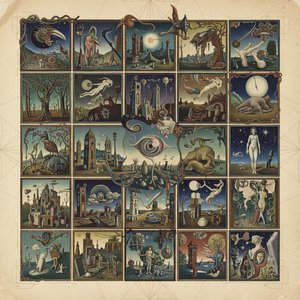
Max Ernst: I 25 Capolavori che Rivoluzionarono l'Arte Moderna | WikiOO
Esplora i 25 capolavori di Max Ernst, pioniere del Surrealismo. Scopri la storia, le tecniche e il simbolismo dietro ogni opera iconica. Trova riproduzioni arte su tela di alta qualità per decorare casa con WikiOO.org.

Figurative Expressionism: Emotional Intensity & Subjective Reality in 20th-Century Art
Explore the powerful world of Figurative Expressionism with WikiOO. Discover key artists like Kirchner & Beckmann, understand its emotional depth, and learn how to collect this influential 20th-century art movement.

Espressionismo Tedesco: 10 Capolavori Rivoluzionari per Arredare con Emozione
Esplora i 10 capolavori dell'Espressionismo Tedesco con WikiOO.org! Scopri Kirchner, Munch e Nolde, le loro emozioni intense e tecniche rivoluzionarie. Arreda la tua casa con stampe d'arte di alta qualità. Esplora la collezione online!

The Visceral Cry of a Nation: Exploring Emotion & Distortion in German Expressionism
Explore the powerful world of German Expressionism with WikiOO. Discover Kirchner, Nolde & Die Brücke's emotive masterpieces. Learn about this pivotal art movement and its lasting impact on modern art.


