

 Anteprima in scala reale
 Condividi
 Condividi
 Dettagli
 Guida
Guida

 Scarica
 Articoli simili
 Radiografia
 Slideshow
 Statistiche
The large forest


 Leggi tutto
Riproduzione a olio fatta a mano
Olio su tela dipinto a mano nelle tue dimensioni e con la tua cornice, realizzato su ordinazione dai nostri artisti. ( Passa alle stampe Passa all'immagine digitale)




P118B $10

P118H $10

P118W $10

P438Z $10

P508JH $12

P508YH $12

P805H $10

P805Z $10

P919BZ $10

P919G $10

P919XJ $10

P959ZH $10

P968JZ $12

W106C $8

W218G $10

W218JH $8

W218Y $10

W307PJ $10

W316G $10

W316PJ $8

W316Y $10

W398PJ $8

W4111J $10

W500HY $15

W500JH $15

W692G $12

W849H $8

W940BG $15

W953PJ $8




Scegli tra le nostre dimensioni predefinite, che rispettano le proporzioni originali dell'opera d'arte.

È possibile inserire dimensioni personalizzate per adattare l'opera a una cornice o a uno spazio specifico. Se la dimensione selezionata non corrisponde alle proporzioni dell'immagine originale, provvederemo a ritagliare l'opera o a estendere il dipinto con elementi aggiuntivi dipinti a mano. Un mockup digitale ti sarà inviato per approvazione prima dell'inizio della produzione.
Si prega di notare che l'anteprima a schermo non riflette il ritaglio o l'estensione effettivi. Solo il mockup mostrerà accuratamente la composizione finale.
Sebbene siano disponibili dimensioni personalizzate, consigliamo di selezionare una dimensione dall'elenco predefinito per preservare le proporzioni originali.
Dopo l'ordine, il team di WikiOO.org contatterà il cliente via e-mail per ricevere le istruzioni e fornirà un'anteprima del mockup
Consegna in tutto il mondo () in 3/4 settimane anziché nelle normali 5 settimane. (25 Settembre). Nessun compromesso sulla qualità.

Spedizione espressa gratuita in tutto il mondo

Tela in lino di alta qualità

Assicurazione completa sulla spedizione

Garanzia di rimborso dei dazi doganali

Garanzia di perfetta fedeltà cromatica

Politica di reso entro 100 giorni (solo per difetti di fabbricazione)

Garanzia di rimborso al 100%

Sconto per acquisti multipli
 L'opzione vetro è disponibile solo per dimensioni inferiori a 110 cm

The large forest
Tecnica di riproduzione
Dimensioni della riproduzione
-


Prezzo totale
$ 265
A Dreamscape of Wood and Moonlight
In the hauntingly beautiful realm of Max Ernst’s 1925 masterpiece, "The Large Forest," the boundaries between reality and the subconscious dissolve into a breathtaking nocturnal vision. This evocative work presents an arresting juxtaposition of architectural structures—primarily buildings constructed from weathered wood—set against a backdrop dominated by a colossal, luminous moon. As your eyes wander through this surreal landscape, you encounter scattered figures inhabiting the scene, their presence adding a layer of enigmatic mystery to the composition. The painting is not merely a depiction of a forest; it is an invitation to navigate a psychological labyrinth where the organic and the constructed exist in a state of dreamlike tension.
The technique employed by Ernst is as profound as the imagery itself. A pioneer of the Surrealist movement, Ernst utilized a meticulous approach that often blurred the lines between painting and collage. By layering disparate elements—textured surfaces, painted details, and fragments that suggest photographic origins—he creates an unsettling yet captivating visual experience. This method allows the viewer to feel the tactile nature of the wooden structures and the ethereal glow of the moonlight, making the piece a sensory journey. For the discerning collector or interior designer, this complexity offers a rich, multi-dimensional focal point that rewards prolonged contemplation.
Symbolism and the Surrealist Soul
To understand "The Large Forest" is to delve into the deep symbolism rooted in the era of its creation. Emerging from the political instability of the Weimar Republic, Ernst’s work mirrors the societal anxieties of a world in flux. The moon, a central protagonist in this composition, serves as a potent symbol of femininity, intuition, and the untamed power of dreams—elements central to the psychoanalytic theories of Sigmund Freud that fueled Surrealist thought. In stark contrast, the wooden buildings represent solidity and permanence, yet their placement within such an ephemeral landscape highlights the inherent vulnerability of civilization itself.
Even the smallest details carry weight; the presence of numerous birds scattered throughout the scene acts as a symbol of freedom and aspiration, suggesting a desperate or perhaps beautiful escape from oppressive realities. This interplay between the heavy, grounded architecture and the light, soaring avian figures creates a rhythmic tension that keeps the viewer perpetually engaged. It is this very duality—the struggle between the known and the unknown—that gives the painting its enduring emotional impact.
An Evocative Presence for Modern Interiors
For those seeking to infuse a space with intellectual depth and emotional resonance, "The Large Forest" offers an unparalleled opportunity. The painting evokes a profound sense of disorientation and wonder, compelling viewers to confront unsettling imagery while simultaneously inviting them into a state of quiet reflection. It is a piece that lingers in the mind long after the initial viewing, prompting thoughts on the hidden landscapes within our own consciousness.
Whether placed in a sophisticated gallery setting, a contemporary living room, or a curated study, a high-quality reproduction of this work serves as more than mere decoration. It acts as a portal to another dimension. The deep textures and the dramatic interplay of light and shadow provide a sophisticated aesthetic that complements both minimalist and maximalist decor, offering a timeless sense of mystery and a profound connection to the history of 20th-century avant-garde art.
Opere correlate


Biografia dell'artista
Max Ernst: Una Vita nel Surrealismo
Primi Anni di Vita ed Educazione
- Nato il: 1° aprile 1891, a Brühl, Germania.
- Il padre di Ernst, Philipp Ernst, era un insegnante dei sordi e pittore dilettante, favorendo fin dalla giovane età l'interesse di Max per l'arte.
- Ha studiato filosofia, storia dell’arte, letteratura, psicologia e psichiatria all’Università di Bonn dal 1909.
- Questo background accademico diversificato ha profondamente influenzato le sue successive esplorazioni artistiche.
Sviluppo Artistico e Influenze
- Un momento cruciale è stata l’esposizione Sonderbund a Colonia (1912), dove ha incontrato opere di Pablo Picasso, Vincent van Gogh, e Paul Gauguin.
- Nel 1914 ha conosciuto Hans Arp, iniziando un’amicizia che dura tutta la vita e che ha segnato significativamente il suo percorso artistico.
- La Prima Guerra Mondiale ha avuto un profondo impatto su Ernst; le sue esperienze come soldato hanno portato a disillusione e una visione critica della società.
- È stato influenzato dalle opere di Sigmund Freud, esplorando temi della mente inconscia nella sua arte.
Dada & Surrealismo
- Ernst è diventato una figura chiave del gruppo Dada di Colonia dopo la Prima Guerra Mondiale, rifiutando le convenzioni artistiche tradizionali.
- Ha pionierizzato tecniche innovative come frottage (sfregamento di matite su superfici testurizzate) e grattage (raschiatura della pittura per rivelare gli strati sottostanti).
- Negli anni ’20 è entrato nel movimento Surrealista a Parigi, collaborando con artisti come Paul Éluard.
- Il suo lavoro di questo periodo ha esplorato immagini oniriche e temi psicologici.
Opere Principali e Tecniche
- Frottage: Una tecnica utilizzata per creare texture e immagini inaspettate, esemplificata in molte delle sue opere.
- Collage: Ernst ha spesso impiegato il collage, combinando elementi disparati per creare composizioni surrealiste.
- Opere Notevoli:
- La Città Intera
- Euclides
- Di Questo Nessuno Dovrà Sapere
- Foresta e Colomba
- I suoi dipinti spesso presentano immagini simboliche, tra cui uccelli (in particolare il suo alter ego Loplop), paesaggi e giustapposizioni inquietanti.
Vita Successiva & Eredità
- Ernst si è trasferito negli Stati Uniti durante la Seconda Guerra Mondiale, continuando a dipingere ed sperimentare nuove tecniche.
- È tornato in Francia dopo la guerra e è rimasto attivo fino alla sua morte il 1° aprile 1976, a Parigi.
- Significato Storico: I contributi di Max Ernst a Dada e Surrealismo sono stati rivoluzionari. Ha sfidato le norme artistiche, ha esplorato la mente inconscia e ha inventato tecniche innovative che continuano a ispirare gli artisti oggi.
- Resta uno dei personaggi più importanti e influenti del 20° secolo d’arte.

Max Ernst
1891 - 1976 , Germania
Informazioni rapide
- Artisti Che Hanno Influenzato Questo Artista:
- Pablo Picasso
- Vincent van Gogh
- Paul Gauguin
- Sigmund Freud
- Data Di Morte: 1 aprile 1976
- Data Di Nascita: 1 aprile 1891
- Luogo Di Nascita: Brühl, Germania
- Movimento Artistico: Dada e Surrealismo
- Nazionalità: Tedesca
- Nome Completo: Max Ernst
- Opere Notevoli:
- La Città Intera
- Euclides
- Foresta e Colomba
- L'Elefante di Celebes
Articoli correlati

The Vibrant World of Ernst Ludwig Kirchner: A Definitive Guide to German Expressionism
Explore the raw emotion of German Expressionism through a definitive guide to Ernst Ludwig Kirchner. Discover how his bold colors and distorted forms redefined modern art history, from Berlin street scenes to iconic masterpieces.

Dreamscapes & Disrupted Realities: Exploring Surrealism's Enduring Influence
Explore the fascinating world of Surrealism! Discover its origins, key artists like Dalí & Magritte, and enduring influence on art & culture. Expert insights & high-quality reproductions at WikiOO.

Espressionismo Tedesco: 10 Capolavori Rivoluzionari per Arredare con Emozione
Esplora i 10 capolavori dell'Espressionismo Tedesco con WikiOO.org! Scopri Kirchner, Munch e Nolde, le loro emozioni intense e tecniche rivoluzionarie. Arreda la tua casa con stampe d'arte di alta qualità. Esplora la collezione online!
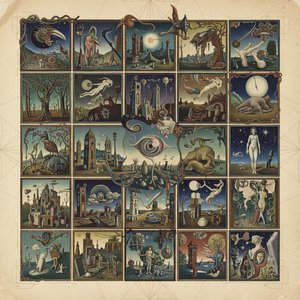
Max Ernst: I 25 Capolavori che Rivoluzionarono l'Arte Moderna | WikiOO
Esplora i 25 capolavori di Max Ernst, pioniere del Surrealismo. Scopri la storia, le tecniche e il simbolismo dietro ogni opera iconica. Trova riproduzioni arte su tela di alta qualità per decorare casa con WikiOO.org.

Beyond Reality's Grasp: Exploring the Philosophical Foundations of Surrealism
Explore the philosophical roots & artistic innovations of Surrealism with WikiOO. Discover Dalí, Ernst, Delvaux & Freud's influence on this revolutionary movement. High-quality art reproductions available.


